Professional solutions on concrete addtives, Concrete Foaming Agent, Superplasticizer, CLC Blocks Additives, and foaming machine

7 Must-Know Types of Concrete Admixtures: A Deep Dive into Superplasticizers, Waterproofers, Fibers, and More
1. Introduction
Just 24 hours ago, a major breakthrough was announced by researchers at MIT’s Concrete Sustainability Hub: a new generation of polycarboxylate ether (PCE)-based superplasticizers can now reduce cement content by up to 30% without compromising strength—potentially cutting global CO₂ emissions from concrete production by millions of tons annually. This news underscores why understanding modern admixtures isn’t just technical—it’s environmental and economic.
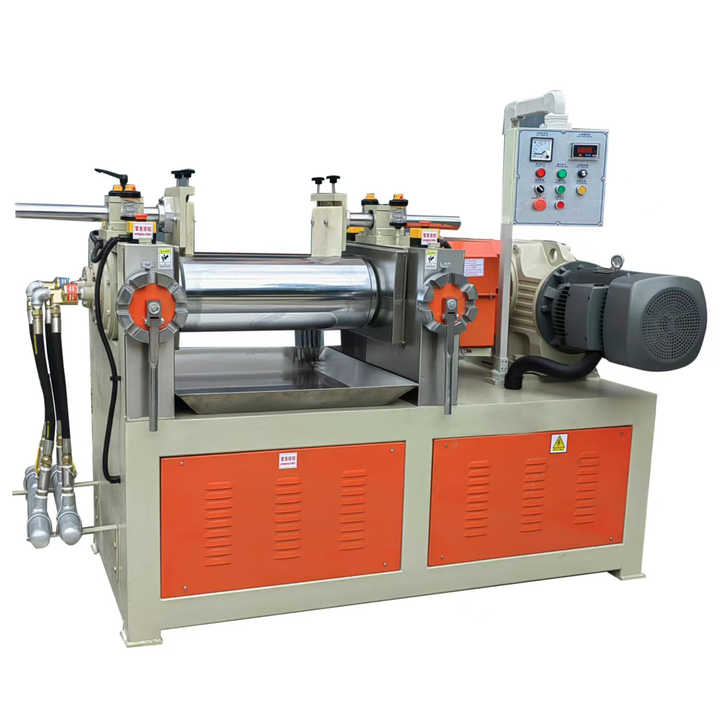
Concrete admixtures—also called concrete additives or ad mixtures—are chemical or mineral ingredients added to concrete before or during mixing to modify its properties. From speeding up curing to making concrete waterproof or more workable, these concrete chemicals are the unsung heroes behind durable infrastructure, sleek architectural finishes, and resilient homes.
2. Water-Reducing Admixtures: Superplasticizers vs. Traditional Plasticizers
2.1. The Rise of Polycarboxylate Ether (PCE) Superplasticizers
Among water reducing admixtures, polycarboxylate-based superplasticizers dominate today’s market. Known as PCE superplasticizer or polycarboxylate ether superplasticizer, they offer high-range water reduction (up to 40%), excellent slump retention, and compatibility with supplementary cementitious materials like fly ash. Unlike older types, PCEs don’t cause rapid slump loss, making them ideal for long-haul ready-mix deliveries.
2.2. Naphthalene and Melamine: The Legacy Alternatives
Naphthalene-based superplasticizer (SNF) and melamine sulfonate superplasticizer were industry standards in the 1980s–2000s. While effective as concrete water reducers, they suffer from poor slump retention and higher dosage requirements. They’re still used in cost-sensitive markets but are being phased out in favor of PCEs due to environmental concerns and inferior performance.
- PCE superplasticizers: low dosage (0.1–0.3%), high fluidity, eco-friendly
- SNF/melamine: higher dosage (0.5–1.0%), faster slump loss, lower cost
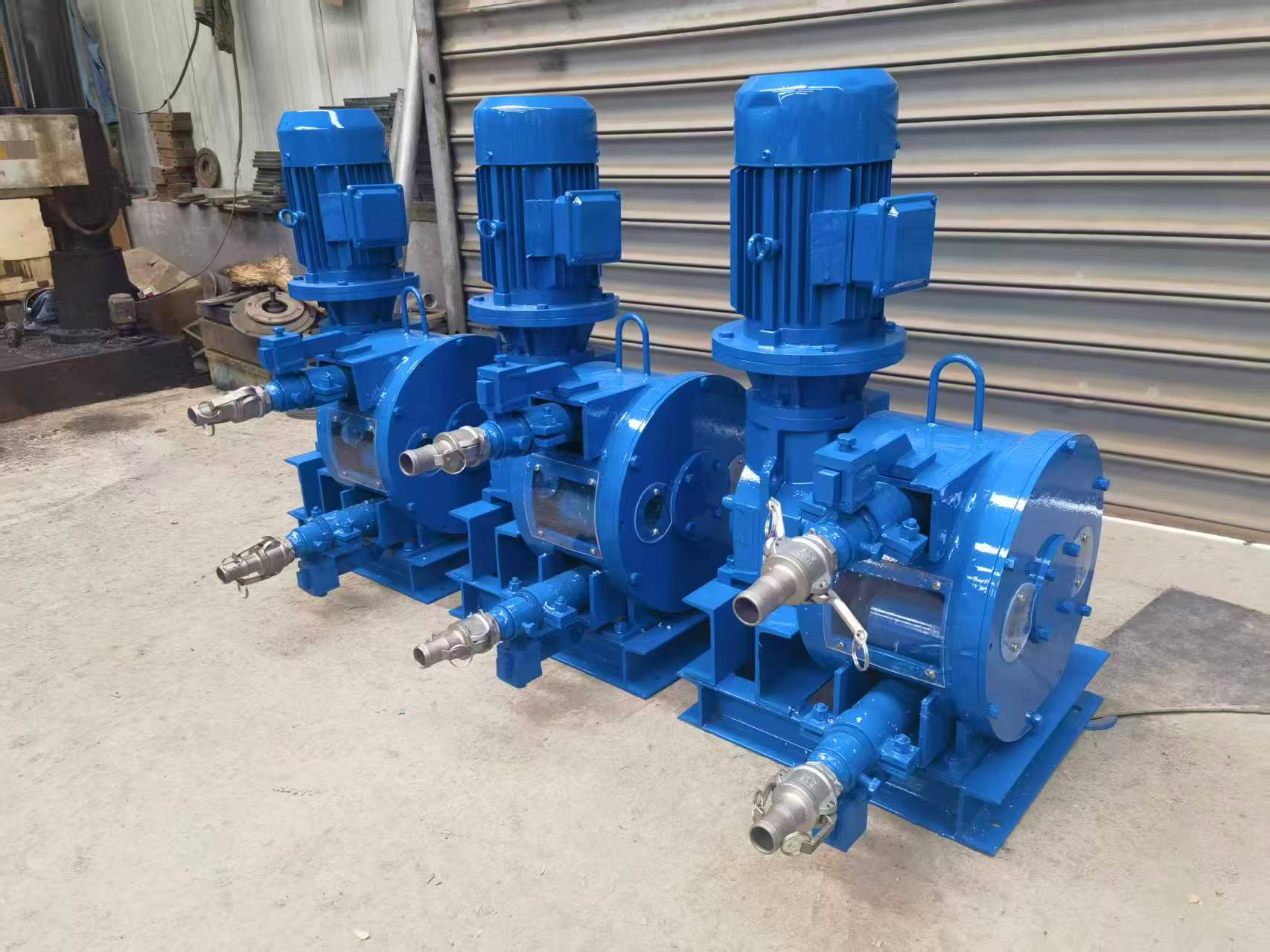
3. Waterproofing Admixtures: Integral Protection from Within
Waterproof admix technologies have evolved beyond surface coatings. Today’s best admixture for concrete waterproofing includes crystalline waterproofing admixture and integral waterproofer systems that react with moisture to form insoluble crystals inside capillaries.
Unlike external sealers, these concrete waterproofing additives become part of the matrix—ideal for basements, tunnels, and water tanks. Brands like Chryso admixture offer proprietary blends that double as cement waterproofing additives, providing lifelong protection without maintenance.
4. Air Entraining Admixtures: Frost Resistance Built In
Air entraining concrete contains microscopic air bubbles created by air entraining admixture (or air entraining agent). These bubbles act as pressure relief valves during freeze-thaw cycles, preventing cracking.
Critical in cold climates, air entraining cement improves durability without sacrificing strength if dosed correctly (typically 4–7% air content). Overuse, however, can weaken concrete—so precise control is essential.
5. Setting Time Modifiers: Accelerators vs. Retarders
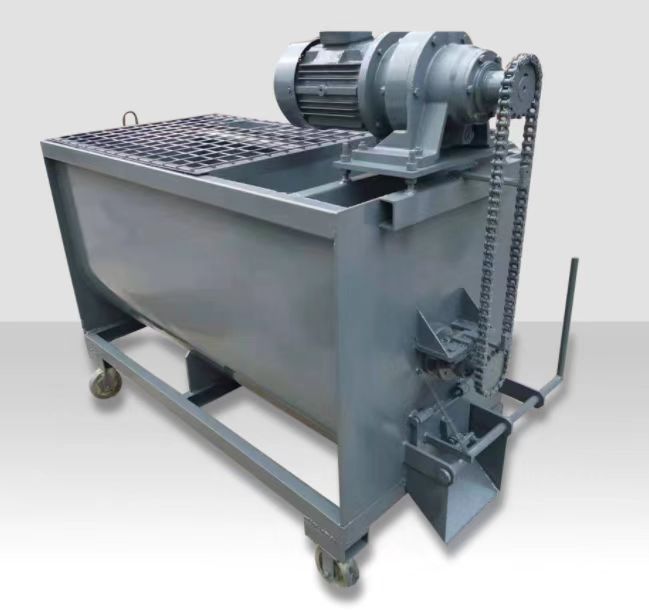
5.1. Concrete Accelerator for Fast Curing
Accelerating admixtures for concrete shorten setting time and boost early strength—vital for emergency repairs or winter pours. Calcium chloride is common but corrosive; non-chloride alternatives (like nitrate-based formulas) are preferred for reinforced structures.
5.2. Concrete Retarder for Hot Weather
Conversely, concrete retarder admixture delays hydration, useful in hot climates or complex placements. Surface retarder concrete is even used decoratively to expose aggregates. Admixture retarder types include sugars, lignosulfonates, and gluconates.
6. Fiber Reinforcement: Beyond Steel Rebar
Fiber reinforced concrete uses reinforcement fiber for concrete—polypropylene fibres for concrete, steel fibers for concrete, or even coconut fiber concrete—to control cracking and improve impact resistance.
Macro fibers (like steel or synthetic) enhance structural toughness, while microfibers (e.g., polypropylene fibre) reduce plastic shrinkage cracks. Fibermesh concrete and fiber concrete mix are now standard in slabs, pavements, and even concrete siding.
For homeowners, fiberfor concrete mixes enable durable, low-maintenance options like Hardie concrete siding or Certainteed concrete siding—often designed to mimic wood grain at a fraction of the cost of natural timber.
7. Specialty Admixtures: Foaming Agents & Release Systems
7.1. Foaming Agents for Lightweight Concrete
Foam agent for lightweight concrete—such as protein based foaming agent or synthetic foaming agent for concrete—creates cellular concrete (aircrete) with densities as low as 300 kg/m³. Used in CLC blocks and insulation panels, these foaming agents reduce weight while maintaining thermal efficiency.
7.2. Release Agents for Decorative Concrete
Stamped concrete relies on concrete release agent (powder or spray) to prevent sticking and add color. Water-based release agent and powder release agent for concrete allow intricate patterns—from brickform liquid release to charcoal stamped concrete—without damaging molds.
Conclusion
From superplasticizer in concrete enabling ultra-high-performance mixes to waterproofing admixture for concrete ensuring longevity, modern admixture types solve real-world challenges with precision chemistry. Whether you’re selecting a concrete accelerator curing time booster or evaluating the best foaming agent for aircrete, understanding these concrete admixture types empowers smarter, greener construction. As innovations like PCE superplasticizers reshape the industry, one thing is clear: the future of concrete is engineered—one admixture at a time.
Our Website founded on October 17, 2012, is a high-tech enterprise committed to the research and development, production, processing, sales and technical services of ceramic relative materials such as 7. Our products includes but not limited to Boron Carbide Ceramic Products, Boron Nitride Ceramic Products, Silicon Carbide Ceramic Products, Silicon Nitride Ceramic Products, Zirconium Dioxide Ceramic Products, etc. If you are interested, please feel free to contact us.