Professional solutions on concrete addtives, Concrete Foaming Agent, Superplasticizer, CLC Blocks Additives, and foaming machine

Master the Mix: Understand Every Type of Concrete Admixture for Stronger, Smarter Builds
1. Introduction
Ever wonder how skyscrapers rise faster, bridges last longer, or driveways stay crack-free through harsh winters? The secret often lies not just in the concrete itself—but in what’s added to it. Enter admixtures: specialized concrete additives engineered to fine-tune everything from curing speed to freeze-thaw resistance. Whether you’re a contractor, DIY enthusiast, or materials engineer, understanding admixtures is key to smarter, more efficient builds. In this guide, we’ll unpack the full spectrum of admixture types, their real-world applications, and how they transform ordinary cement into high-performance concrete.
2. What Are Admixtures?
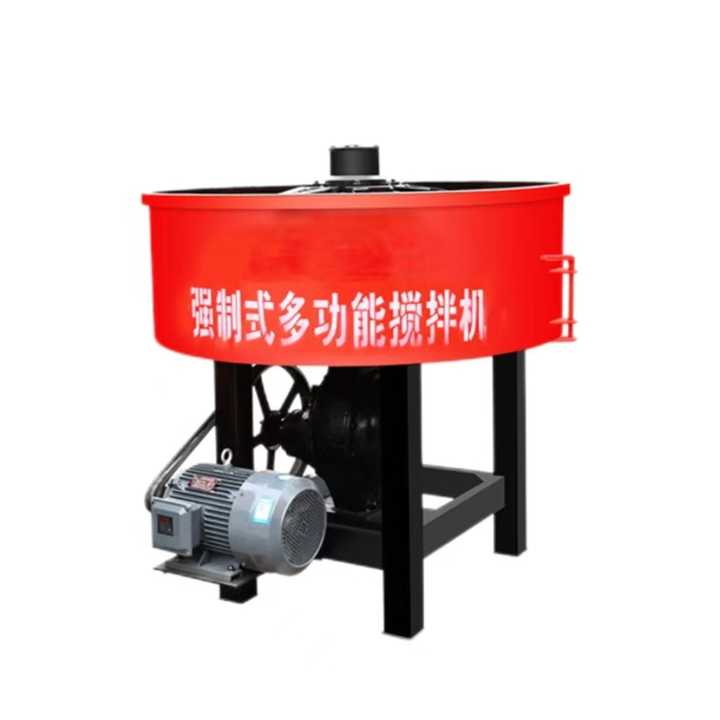
Admixtures—sometimes spelled ‘ad mixtures’—are ingredients added to concrete, mortar, or grout before or during mixing to modify its properties. These can be chemical admixtures (like superplasticizers or accelerators) or mineral admixtures (such as fly ash or silica fume). Unlike aggregates or water, admixtures are used in small quantities—typically less than 5% by weight of cement—but their impact is massive. They help achieve specific performance goals without altering the basic mix design, making them indispensable in modern construction.
3. Major Types of Concrete Admixture
Concrete admixture types fall into two broad categories: chemical and mineral. Chemical admixtures include water reducers, retarders, accelerators, air-entraining agents, and superplasticizers. Mineral admixtures, like slag or metakaolin, improve long-term strength and durability. Each serves a distinct purpose, and many projects use a combination to meet complex requirements.
3.1 Water Reducing Admixtures and Superplasticizers
Water reducing admixtures cut the water content needed for a given slump, boosting strength and durability. Among these, superplasticizers—also called high-range water reducers—are game-changers. Made from polycarboxylate ether (PCE), naphthalene, or melamine sulfonates, superplasticizer admixtures can reduce water by up to 40% while maintaining excellent flow. This makes them ideal for high-strength, self-consolidating, or pumped concrete. When people ask for the best superplasticizer for concrete, PCE-based options often lead due to their efficiency and compatibility with modern cements. Brands like Chryso admixture offer advanced formulations tailored to regional needs.
3.2 Concrete Accelerators and Retarders
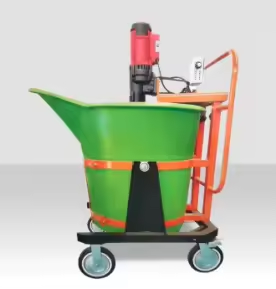
Timing is everything in concrete work. Accelerating admixtures for concrete—such as calcium chloride or non-chloride alternatives—speed up hydration, shortening setting time and enabling fast curing concrete additives for cold-weather pours or rapid form removal. On the flip side, concrete retarder admixtures delay setting, crucial in hot climates or for large placements where extended workability is needed. Surface retarder concrete products even allow decorative stamping by keeping the surface soft while the bulk hardens.
3.3 Air Entraining Admixtures
Air entraining concrete contains microscopic air bubbles created by air entraining admixtures—often based on vinsol resin or synthetic surfactants. These bubbles act as pressure relief valves during freeze-thaw cycles, preventing cracking. Essential in northern climates, air entraining agents improve durability without sacrificing strength. You’ll find terms like air entraining cement or air entraining concrete used interchangeably, but the core function remains the same: enhanced resilience against weathering.
3.4 Waterproofing and Integral Additives
For basements, tanks, or wet areas, waterproofing admixture solutions are critical. Integral waterproofers—including crystalline waterproofing admixture and cement waterproofing additive—react with moisture to form insoluble crystals that block capillary pores. Unlike surface coatings, these become part of the matrix, offering lifelong protection. Products labeled concrete waterproof admix or admixture waterproofing deliver reliable results, especially when paired with proper curing.
4. Fiber Reinforcement and Specialty Additives
Fibers have revolutionized concrete reinforcement. Instead of—or alongside—rebar, contractors now use polypropylene fibres for concrete, steel fibers for concrete, or even coconut fiber reinforced concrete for sustainability. These reinforcement fibers for concrete control plastic shrinkage cracks and boost impact resistance. Macro fibers, microfibers, and carbon fiber reinforcement in concrete serve different roles—from structural enhancement (steel fiber reinforced concrete) to aesthetic finishes (fiber concrete siding). Speaking of siding, modern concrete siding options like Hardie or CertainTeed mimic wood grain while offering fire and pest resistance, with concrete siding cost varying by material and finish.
5. Foaming Agents and Lightweight Concrete
Foam agents for lightweight concrete enable cellular lightweight concrete (CLC) production—ideal for insulation blocks or void filling. CLC foaming agents, whether protein-based or synthetic, create stable air cells when mixed with cement slurry. The best foaming agent for aircrete depends on stability and cost, with prices ranging widely based on concentration and origin. Homemade foaming agent for concrete exists but rarely matches commercial consistency.
6. Color, Release, and Finishing Aids
Beyond performance, admixtures enhance aesthetics. Colored concrete uses pigments like white cement or tinted powders to achieve charcoal, terra cotta, or gray stamped concrete looks. For stamped patterns, concrete release agents—spray, powder, or oil-based—prevent sticking and add accent colors. Water-based release agents are eco-friendly, while mold release oils ensure clean demolding for architectural elements.
7. Choosing the Best Admixture for Your Project
Selecting the right admixture depends on climate, application, and performance goals. Need fast turnaround? Consider concrete accelerator curing time enhancers. Building in a flood zone? Prioritize waterproofing admixture for concrete. For high-flow applications, superplasticizer in concrete is non-negotiable. Always consult technical data sheets and consider compatibility—especially when blending multiple concrete chemicals.
8. Conclusion
From superplasticizer admixture boosting fluidity to air entraining agents fighting frost damage, admixtures are the unsung heroes of modern concrete. Whether you’re pouring a patio, erecting a high-rise, or installing fiber cement siding, the right concrete additives make the difference between adequate and exceptional. By understanding admixture types and their functions, you unlock greater control, efficiency, and longevity in every pour.
Our Website founded on October 17, 2012, is a high-tech enterprise committed to the research and development, production, processing, sales and technical services of ceramic relative materials such as Master. Our products includes but not limited to Boron Carbide Ceramic Products, Boron Nitride Ceramic Products, Silicon Carbide Ceramic Products, Silicon Nitride Ceramic Products, Zirconium Dioxide Ceramic Products, etc. If you are interested, please feel free to contact us.