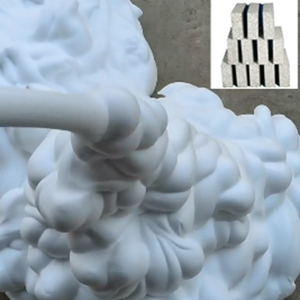
Professional solutions on concrete addtives, Concrete Foaming Agent, Superplasticizer, CLC Blocks Additives, and foaming machine

10 Essential Types of Admixtures Every Concrete Pro Should Know in 2024
1. Introduction
Just 48 hours ago, a major breakthrough in sustainable construction was announced: leading chemical manufacturer Chryso unveiled a next-generation polycarboxylate ether (PCE) superplasticizer that reduces water content by up to 40% while enhancing early-strength development—setting a new benchmark for eco-friendly concrete admixtures. This innovation underscores how vital admixtures have become in modern building practices.
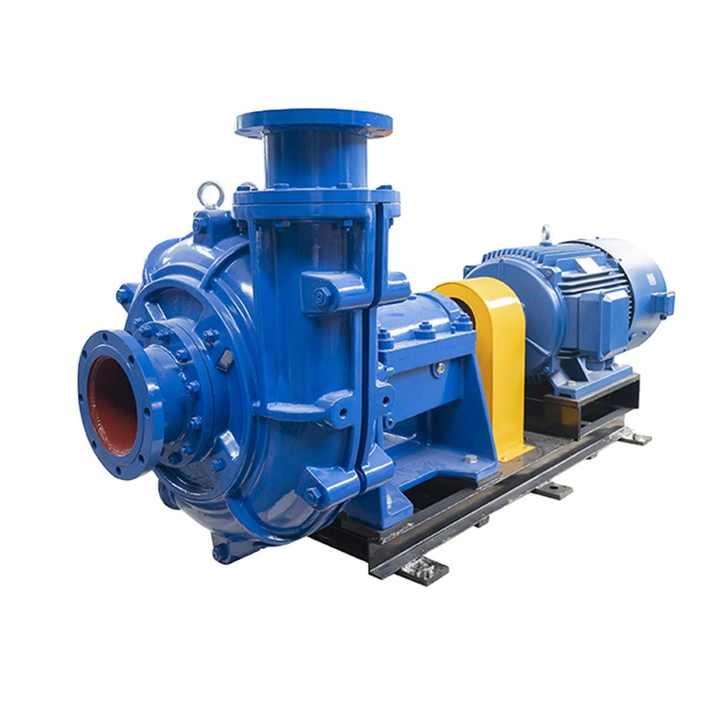
Whether you’re pouring a driveway, constructing high-rises, or installing decorative stamped concrete, admixtures are the unsung heroes that fine-tune performance, durability, and aesthetics. In this guide, we’ll walk through the 10 essential types of admixtures every contractor, engineer, and DIYer should know.
2. What Are Admixtures?
Admixtures—also called concrete additives or concrete chemicals—are materials added to concrete before or during mixing to modify its properties. These aren’t just fillers; they’re precision-engineered solutions that can accelerate curing, reduce water, add color, or even make concrete waterproof. The right admixture used in concrete can mean the difference between a crack-prone slab and a decades-lasting structure.
3. Superplasticizers: The Game-Changer
Superplasticizers (or high-range water reducers) are among the most widely used concrete admixture types today. They dramatically increase workability without adding extra water—critical for high-strength or self-consolidating concrete.
Modern superplasticizer admixtures are often based on polycarboxylate ether (PCE), offering superior performance over older naphthalene or melamine-based versions. A PCE-based superplasticizer in concrete can reduce water content by 25–40%, improve flow, and extend slump retention—making it the best admixture for concrete in demanding applications.
- Polycarboxylate superplasticizer is ideal for precast elements and pumped concrete
- Naphthalene sulfonate and melamine sulfonate superplasticizers are still used but less efficient
- Superplasticizer price varies by chemistry, with PCE commanding a premium for performance
4. Water Reducers and Plasticizers
Beyond superplasticizers, mid-range water reducing admixtures and basic plasticizers for concrete help achieve smoother finishes and better compaction. Often labeled as concrete water reducer or plasticizer admixture, these additives lower the water-cement ratio, boosting strength and durability.
While not as potent as superplasticizers, they’re cost-effective for standard pours. Look for terms like concrete reducer or cement water reducer when sourcing these products.
5. Accelerators and Retarders: Controlling Cure Time
Timing matters in concrete work. Accelerating admixtures for concrete shorten setting time—perfect for cold weather or fast-track projects. A concrete accelerator can cut initial set time by hours, speeding up form removal and reducing labor costs.
On the flip side, a concrete retarder (or admixture retarder) delays hydration, useful in hot climates or for complex placements. Surface retarder concrete is even used in exposed-aggregate finishes to etch the top layer selectively.
6. Air-Entraining Admixtures for Freeze-Thaw Resistance
In regions with harsh winters, air entraining concrete is non-negotiable. Air entraining admixtures introduce microscopic air bubbles that act as pressure relief valves during freeze-thaw cycles, preventing spalling and cracking.
These concrete additives—also called air entraining agents—improve workability and cohesion. Look for products labeled air entraining cement or air entraining concrete admixture when durability in cold climates is a priority.
7. Waterproofing Admixtures: Keep Moisture Out
From basements to rooftops, waterproofing is critical. Integral waterproofers, crystalline waterproofing admixtures, and cement waterproofing additives react within the concrete matrix to block capillary pores.
A concrete waterproofing additive like a crystalline admixture forms insoluble crystals that self-seal micro-cracks over time. Whether called waterproof admix, admixture waterproofing, or concrete waterproof admix, these solutions offer long-term protection without surface membranes.
8. Fiber Reinforcement: Strength Beyond Steel
Fiber reinforced concrete is revolutionizing structural design. Fibers for concrete—like polypropylene fibres, steel fibers, or even coconut fiber—control cracking, boost impact resistance, and reduce shrinkage.
Macro fibers and microfibers serve different roles: polypropylene fibre (PP fiber concrete) handles plastic shrinkage, while steel fiber reinforced concrete enhances post-crack load capacity. Modern homes increasingly use concrete fiber siding (e.g., Hardie or CertainTeed brands) for its wood-like appearance and low maintenance.
- Fiber concrete mix improves toughness without rebar in slabs
- Concrete siding cost is competitive with traditional wood or vinyl
- Carbon fiber reinforced concrete is emerging for ultra-high-performance applications
9. Foaming Agents for Lightweight Concrete
Foam concrete—used in insulation blocks, void fills, and lightweight panels—relies on concrete foaming agents. These include protein-based or synthetic foaming agents that create stable air cells in the mix.
CLC (Cellular Lightweight Concrete) foaming agents are popular in green building. Prices vary, but effectiveness depends on foam stability and compatibility with your cement. Avoid homemade foaming agent for concrete unless thoroughly tested—consistency is key.
10. Colorants and Release Agents for Decorative Concrete
Want charcoal stamped concrete or terra cotta patterns? Colored concrete starts with integral color powders or stains. Stamped concrete colors range from gray and brown to bold reds and blues.
To prevent sticking, use a concrete release agent—available as powder, spray, or oil. Water-based release agents are eco-friendlier, while powder release agents add subtle antiquing effects. Always pair with proper mold release for crisp patterned concrete colours.
11. Conclusion
From superplasticizer admixtures that enable skyscrapers to waterproofing additives that protect foundations, admixtures are indispensable in modern concrete technology. Understanding concrete admixture types—whether you’re choosing a concrete accelerator curing time booster or a fiberfor concrete mix enhancer—empowers smarter, more durable builds. As innovations like Chryso’s new PCE formula show, the future of concrete is being shaped one admixture at a time.
Our Website founded on October 17, 2012, is a high-tech enterprise committed to the research and development, production, processing, sales and technical services of ceramic relative materials such as 10. Our products includes but not limited to Boron Carbide Ceramic Products, Boron Nitride Ceramic Products, Silicon Carbide Ceramic Products, Silicon Nitride Ceramic Products, Zirconium Dioxide Ceramic Products, etc. If you are interested, please feel free to contact us.