Professional solutions on concrete addtives, Concrete Foaming Agent, Superplasticizer, CLC Blocks Additives, and foaming machine

How Do You Choose and Use the Right Concrete Admixtures for Your Project?
1. Introduction
Ever poured concrete only to find it too stiff, too slow to set, or cracking after a week? The secret weapon pros use isn’t magic—it’s admixtures. These concrete additives fine-tune everything from workability to durability. Whether you’re laying a patio, building a foundation, or crafting decorative stamped concrete, knowing how to choose and use the right admixture can save time, money, and headaches.

In this guide, we’ll break down the most common types of admixtures, explain when and how to use them, and troubleshoot frequent issues—so your next pour performs like a pro job.
2. Understanding Admixture Types
Not all concrete chemicals are created equal. Admixtures fall into broad categories based on what they do:
- Water-reducing admixtures (like superplasticizers) boost flow without adding water.
- Accelerating admixtures for concrete speed up curing—great for cold weather.
- Concrete retarder admixtures delay setting, useful in hot climates or complex pours.
- Air entraining admixture introduces tiny bubbles to resist freeze-thaw damage.
- Waterproofing admixture (including crystalline waterproofing admixture and integral waterproofer) blocks moisture penetration.
- Fiber reinforcement (polypropylene fibres for concrete, steel fibers for concrete, etc.) adds tensile strength and reduces cracking.
3. How to Pick the Best Admixture for Concrete
Start by identifying your main challenge. Is your mix too dry? Use a superplasticizer in concrete. Pouring in winter? Reach for a concrete accelerator. Need long-term moisture protection? Consider a cement waterproofing additive or waterproof admix.
For high-strength or self-consolidating concrete, polycarboxylate ether (PCE) superplasticizers are top-tier—they offer superior slump retention with low dosage. Brands like Chryso admixture specialize in advanced formulations.
Don’t forget compatibility: always check if your chosen admixture works with your cement type, especially if using white cement or specialty blends.

4. Step-by-Step: Mixing Admixtures Correctly
Adding admixtures seems simple—but getting it wrong ruins entire batches. Follow these steps:
1. Read the manufacturer’s instructions. Dosage varies wildly: superplasticizer admixture might be 0.5–2% by weight of cement, while a concrete water reducer could be less.
2. Add liquid admixtures to mixing water before pouring into the drum—not directly onto dry cement.
3. For powdered additives (like colored concrete powder or microfiber), pre-blend with dry materials first.
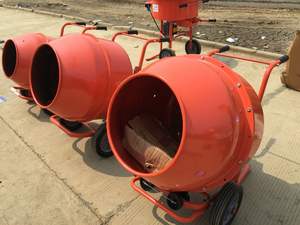
4. Mix thoroughly for at least 3–5 minutes after adding any chemical admixture for concrete.
5. Never add extra water after introducing a superplasticizer—it defeats the purpose and weakens the mix.
5. Common Problems and Fixes
Problem: Concrete sets too fast in summer heat.
Solution: Use a concrete retarder admixture or surface retarder concrete for decorative finishes. Dosage depends on temperature—start with 0.1–0.3% by cement weight.
Problem: Cracking in slabs or driveways.
Solution: Add reinforcement fiber for concrete—polypropylene fibre or macro fibers help control plastic shrinkage cracks.
Problem: Water seeping through basement walls.
Solution: Use a crystalline waterproofing admixture or integral waterproofer during batching. These react with moisture to form insoluble crystals that block pores.
Problem: Stamped concrete sticks to molds.
Solution: Apply a quality concrete release agent (powder or spray) before stamping. Water-based release agents with color also enhance pattern definition.
6. Special Cases: Foaming Agents and Colored Concrete
Making lightweight foam concrete? You’ll need a reliable foaming agent used in foam concrete—protein-based or synthetic CLC foaming agents create stable air cells. Avoid homemade foaming agent for concrete unless you’ve tested it; consistency matters.
For colored stamped concrete, combine integral color powders with a compatible plasticizer for concrete to maintain workability. Popular shades include charcoal concrete color, terra cotta, and grey stamped concrete. Always test a small batch first!
7. Pro Tips for DIYers and Contractors
- Store admixtures in cool, dry places—heat degrades many concrete chemicals.
- Never mix different admixture types (e.g., accelerator + retarder) unless the supplier confirms compatibility.
- When using fiber reinforced concrete, increase mixing time slightly to ensure even dispersion.
- For home projects like concrete siding or patios, products from Home Depot or CertainTeed often include pre-formulated admixtures—check labels for terms like ‘fibercement siding’ or ‘concrete waterproof admix’.
- Always keep a bio data sheet (safety data sheet) on hand for every admixture used in concrete.
8. Conclusion
Concrete admixtures aren’t optional extras—they’re essential tools for modern construction. By understanding admixture types—from super plasticizers and air entraining agents to waterproofing admixture for concrete and fiberfor concrete—you gain precise control over your mix’s behavior. Whether you’re aiming for fast curing concrete additives in winter or smooth, crack-free stamped surfaces in summer, the right admixture makes all the difference. Start small, follow dosing guidelines, and soon you’ll be mixing like a veteran.
Our Website founded on October 17, 2012, is a high-tech enterprise committed to the research and development, production, processing, sales and technical services of ceramic relative materials such as How. Our products includes but not limited to Boron Carbide Ceramic Products, Boron Nitride Ceramic Products, Silicon Carbide Ceramic Products, Silicon Nitride Ceramic Products, Zirconium Dioxide Ceramic Products, etc. If you are interested, please feel free to contact us.