Professional solutions on concrete addtives, Concrete Foaming Agent, Superplasticizer, CLC Blocks Additives, and foaming machine

Soap vs. Solvent Form Release: The Uncomfortable Truth Petroleum Companies Don’t Want You to Know
The $3 Billion Lie
Nearly 80% of all form release sold in North America is petroleum-based. I’ve spent two decades on job sites watching crews spray it, breathe it, and curse the haze it leaves on their tools and their lungs. That market share isn’t a testament to superiority. It’s a monument to habit, aggressive sales, and a deep-seated fear of trying something different. Yet, across concrete forums and Reddit threads dedicated to professional finishing, a quiet rebellion is brewing. Seasoned finishers are swapping stories. “Finally switched to a soap based concrete form release spray last season,” one user posted, “and the crew stopped complaining about headaches by 10 AM.” The data point that should shock you isn’t a lab statistic. It’s the growing number of crews refusing to go back to the old way once they’ve tried the new.
Deconstructing the Soap Spray
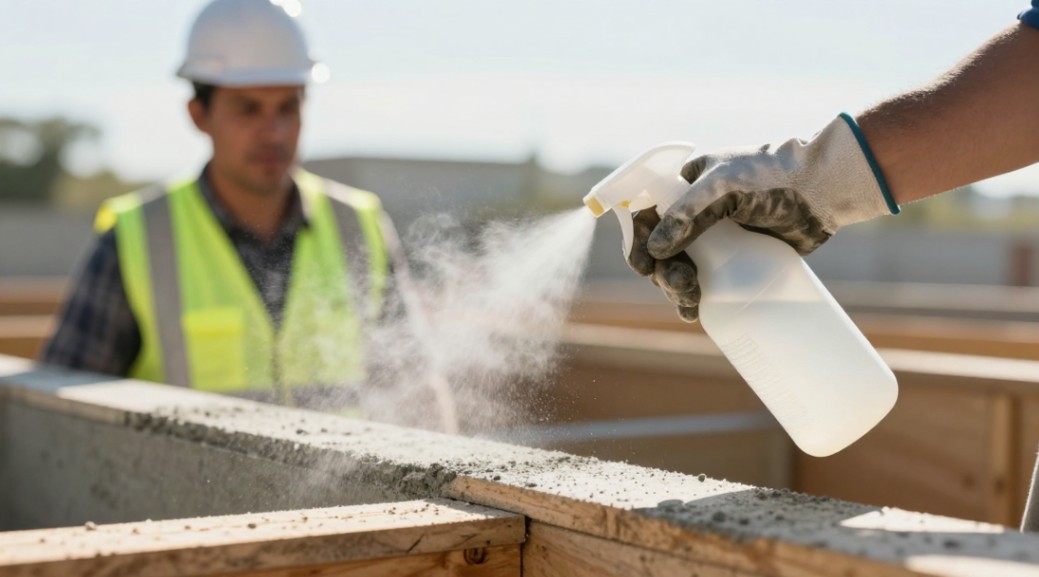
Forget the marketing fluff. A soap based concrete form release spray isn’t magic. It’s fundamentally a saponified vegetable oil—think high-tech Castile soap—diluted in water. The primary active ingredient is a fatty acid salt derived from sources like soy or palm kernel oil. This compound creates a microscopic, slippery barrier between the form and the concrete paste. The mechanism is simple physics: reduced surface tension and adhesion. When you apply it correctly, the concrete hydrates against this film, not the formwork itself. The result is a clean separation. No drama. The key phrase there is ‘apply it correctly.’ This is where most failures happen, and where critics pounce. It’s not a dump-and-pray product. It demands respect for the process.
The Unvarnished Comparison: Soap vs. The Petrochemical Standard
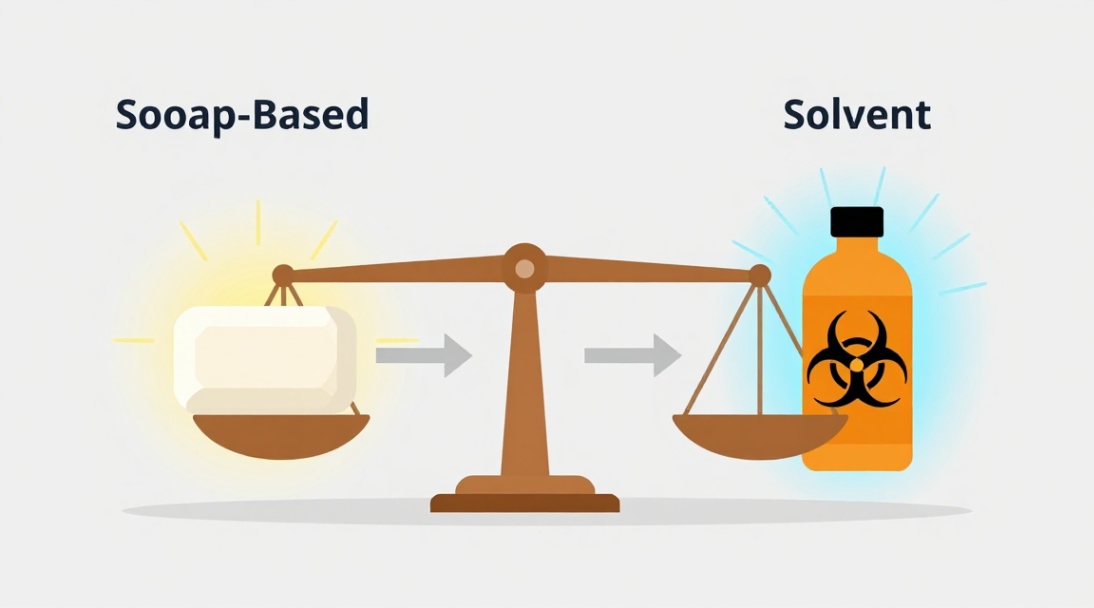
Let’s cut through the noise. You need a decision matrix, not a brochure.
The Soap-Based Argument: Its benefits are profound, but they’re often the soft skills of construction chemistry. Worker safety tops the list. It’s non-toxic, with no volatile organic compounds (VOCs) to inhale. On enclosed pours like basements or parking garages, this isn’t a luxury; it’s a moral imperative. It’s biodegradable. A spill is a cleanup issue, not a hazmat event. Wash water from cleaning forms can often go to a standard drain, not a special waste stream. The final concrete surface is consistently matte and uniform, with no oily residue to interfere with paints, stains, or coatings. Many users on contractor boards note it seems to be gentler on expensive fiberglass and plastic forms, preventing the brittleness some solvents cause over time.
The Petroleum-Based Reality: Its strengths are brute force and forgiveness. It works in a wider temperature band, especially in cold weather where water-based soaps can freeze or fail to emulsify properly. It often requires less meticulous surface preparation; a bit of leftover rust or old concrete doesn’t faze it as much. The film it leaves is more durable against rain or long delays between application and the pour. For high-reuse steel forms on a fast-paced bridge job, this reliability is king. But you pay for it. The film can migrate, causing blotchy discoloration on the concrete. It’s a fire hazard. It’s terrible for the environment and your crew’s health. Disposal is a costly headache.
The choice isn’t about good versus evil. It’s about matching the tool to the task with clear eyes.
The Make-or-Break Process: Application is Everything
This is where I see teams fail with soap sprays and then condemn the entire category. You cannot treat it like its solvent-based cousin. Surface preparation is non-negotiable. The form must be clean, dry, and free of laitance, rust, or old release agent. Any contaminant creates a bond the soap film cannot overcome. Apply using a low-pressure, fine mist sprayer. You are painting a sheen, not drenching the surface. Aim for a uniform, translucent coat. Puddles are the enemy; they will create soft spots and adhesion failures on the concrete face. Let it dry to a hazy film before pouring. This isn’t a suggestion. It’s the law for this product. In extreme heat, you may need to apply in the shade or during cooler hours to prevent the water carrier from flashing off too quickly and breaking the emulsion.
When to Commit, When to Walk Away
So, when does a soap based concrete form release spray become the obvious choice? Ideal project types are those where its core advantages are critical. Architectural concrete where finish integrity and subsequent adhesion are paramount. Indoor pours, especially residential. Any project with stringent environmental regulations or a company sustainability mandate. Projects using absorbent wood or composite forms that benefit from a water-based carrier.
Its limitations are real and must be respected. Inconsistent performance in freezing temperatures is its Achilles’ heel. While some winter-grade formulations exist, they are finicky. If your pour schedule is dead of winter in Minnesota, the petroleum product is the lower-risk choice. For one-time use disposable forms, the cost-benefit might not pencil out. The extra preparation time is a real labor cost that must be factored against the savings in disposal, PPE, and crew health.
The Trust Equation
My advice is never to make a blind, full-scale switch. The feedback from the field is your best guide. Buy a single 5-gallon pail of a reputable soap based concrete form release spray. Not a sample. A real production-sized container. Use it on a non-critical, repetitive pour where you can control the variables. A series of foundation walls or sidewalk panels. Follow the preparation and application instructions to the letter—no shortcuts. Evaluate the strip. Feel the concrete surface. Talk to the crew breathing it. Assess the cleanup. Then, run the numbers. Compare the total cost, including the time for extra cleaning, disposal fees you avoided, and the intangible value of a safer site. The data you generate on your own site, with your own crew, is the only opinion that matters. That’s how you move from being sold a product to owning a solution.
We are the global leader in lightweight concrete and advanced engineered foam solutions. Known globally for its commitment to research, innovation, and applied expertise, we have been providing engineered foam solutions since the early 2012’s.
We can supply high-quality concrete admixture and foam concrete related products all over the world.
The company has a professional technical department and quality supervision department, a well-equipped laboratory, and equipped with advanced testing equipment and after-sales customer service center.
If you are interested, please feel free and contact us.