Professional solutions on concrete addtives, Concrete Foaming Agent, Superplasticizer, CLC Blocks Additives, and foaming machine

The Ultimate Guide to Choosing Concrete Admixtures in 2026
Key takeaways
- Concrete admixtures modify fresh or hardened properties to meet specific project requirements.
- Selection involves evaluating project needs, environmental conditions, material compatibility, and cost.
- Common admixture types include water reducers, retarders, accelerators, air-entrainers, and mineral additives.
- Quality should be verified through standardized testing and field trials.
- 2026 trends emphasize sustainability, nanotechnology, and smart admixtures.
What Are Concrete Admixtures and Why Do You Need a Guide in 2026?
Concrete admixtures are chemical or mineral materials, such as concrete foaming agents, added to the concrete mix before or during mixing to modify its fresh or hardened properties. In 2026, the construction industry demands higher performance, sustainability, and cost-efficiency, making correct admixture selection critical. This guide outlines the available options, evaluation criteria, and decision-making process to help you choose the best admixture for your project.
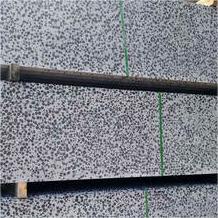
Understanding the Function and Classification of Concrete Admixtures
Concrete admixtures are generally classified by primary function. Water-reducing admixtures lower water content while maintaining workability, improving strength and durability. Retarding admixtures delay setting time for hot weather or large pours. Accelerating admixtures speed up setting and early strength gain for cold weather or fast-track construction. Air-entraining admixtures, including concrete density control agents, introduce microscopic air bubbles to enhance freeze-thaw resistance. Other categories include waterproofing, corrosion-inhibiting, and shrinkage-reducing admixtures. Each type serves a specific purpose and should be selected based on the project's technical requirements.
Key Factors to Consider When Selecting Admixtures
Choosing the right admixture requires evaluating several factors: project requirements (strength, durability, workability, setting time), environmental conditions (temperature, humidity, chemical exposure, freeze-thaw cycles), construction methods (pumping, shotcreting, mass concrete placement), compatibility with other materials (cement type, aggregates), cost and availability, and compliance with local standards and sustainability goals. By systematically assessing these factors, you can narrow down the suitable admixture categories.
Common Types of Concrete Admixtures and Their Typical Uses
Water-reducing admixtures (plasticizers) increase workability without adding water or achieve higher strength at the same water content. High-range water reducers (superplasticizers) enable high-flow concrete for congested reinforcement. Retarding admixtures are essential for hot-weather concreting to prevent premature setting. Accelerating admixtures (e.g., calcium chloride) speed up construction in cold weather. Air-entraining admixtures, such as aircrete foaming agents, improve durability in freeze-thaw environments. Mineral admixtures like fly ash and silica fume improve workability, reduce heat of hydration, and enhance long-term strength. Each type has specific application scenarios and limitations.
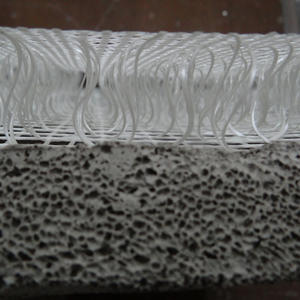
How to Evaluate Admixture Quality and Performance
Admixture quality is typically assessed through standardized testing. Key performance indicators include dosage rate, effect on setting time, air content, water reduction capacity, and compatibility with the cementitious system. Look for products that comply with relevant industry standards, such as ASTM C494 or EN 934. Request technical data sheets, safety data sheets, and trial batches from suppliers. Field trials under actual project conditions provide the most reliable performance verification. Consulting a concrete technologist or engineer also helps make an informed decision.
Step-by-Step Approach to Choosing the Right Admixture
Step 1: Define the performance requirements of the concrete (strength, durability, workability, setting time). Step 2: Identify the environmental conditions and construction constraints. Step 3: List potential admixture categories that match the needs. Step 4: Shortlist products from reputable suppliers. Step 5: Conduct trial mixes to verify compatibility and performance. Step 6: Compare cost-effectiveness over the entire lifecycle, including maintenance and energy savings. Step 7: Make the final selection based on trial results and supplier support. Document all decisions for quality control and future reference.
Common Mistakes to Avoid When Choosing Admixtures
One common mistake is over-reliance on a single admixture type without considering the complete mix design. Another is ignoring compatibility with cement and other chemical admixtures, which can lead to unexpected setting or strength loss. Using excessive dosage to achieve desired results may cause segregation, excessive air entrainment, or delayed setting. Not considering the effect of temperature on admixture performance is also a frequent error. Finally, failing to perform full-scale field trials can result in costly failures. Avoiding these pitfalls helps ensure a successful project.
Trends in Concrete Admixtures for 2026 and Beyond
The concrete admixture industry in 2026 is increasingly focused on sustainability. This includes low-carbon admixtures, bio-based additives, and materials that reduce cement consumption. Nanotechnology-based admixtures are emerging, offering enhanced strength and durability at lower dosages. Smart admixtures that respond to environmental changes (e.g., self-healing or temperature-responsive) are also being developed. Digital tools for mix design optimization and dosage control are becoming more common. Staying informed about these trends can help you select admixtures that align with future regulations and project goals.
Conclusion: Making Informed Decisions for Your Project
Selecting the right concrete admixture in 2026 involves a thorough understanding of the material properties, project requirements, and environmental factors. By following a systematic evaluation process and keeping abreast of industry developments, you can optimize performance, reduce costs, and enhance sustainability. Always consult with experts and conduct trials before large-scale use. This guide provides a foundation for making informed choices that lead to durable and efficient concrete structures.
Frequently asked questions
What are the main types of concrete admixtures?
The main types include water-reducing (plasticizers), retarding, accelerating, air-entraining, waterproofing, corrosion-inhibiting, and shrinkage-reducing admixtures, as well as mineral additions like fly ash and silica fume.
How do I know which admixture is right for my project?
Start by defining your concrete performance requirements (strength, workability, setting time, durability). Consider environmental conditions, construction methods, and compatibility with other materials. Conduct trial mixes and consult with a concrete specialist.
Can I use multiple admixtures together?
Yes, but compatibility must be verified. Some admixtures may interact negatively, causing unexpected effects. Always perform trial batches to confirm combined performance.
What are the latest trends in concrete admixtures for 2026?
Sustainability is a major trend, with low-carbon, bio-based, and nanotechnology-enhanced admixtures. Smart admixtures that respond to environmental conditions are also emerging, along with digital tools for mix optimization.
Waterreduceragent is a supplier of Concrete Admixture with over 12 years of experience in nano-building energy conservation and nanotechnology development. It accepts payment via Credit Card, T/T, West Union and Paypal. TRUNNANO will ship the goods to customers overseas through FedEx, DHL, by air, or by sea. If you are looking for lightweight concrete relative materials, please feel free to contact us and send an inquiry.