Professional solutions on concrete addtives, Concrete Foaming Agent, Superplasticizer, CLC Blocks Additives, and foaming machine

What Are the Best Admixtures for Modern Concrete Projects?
1. Introduction
Just 24 hours ago, a major infrastructure report released by the American Concrete Institute highlighted a surge in the use of high-performance admixtures—especially polycarboxylate-based superplasticizers—in sustainable construction projects across North America. With climate resilience and material efficiency topping industry priorities, understanding which admixture delivers optimal results has never been more critical.
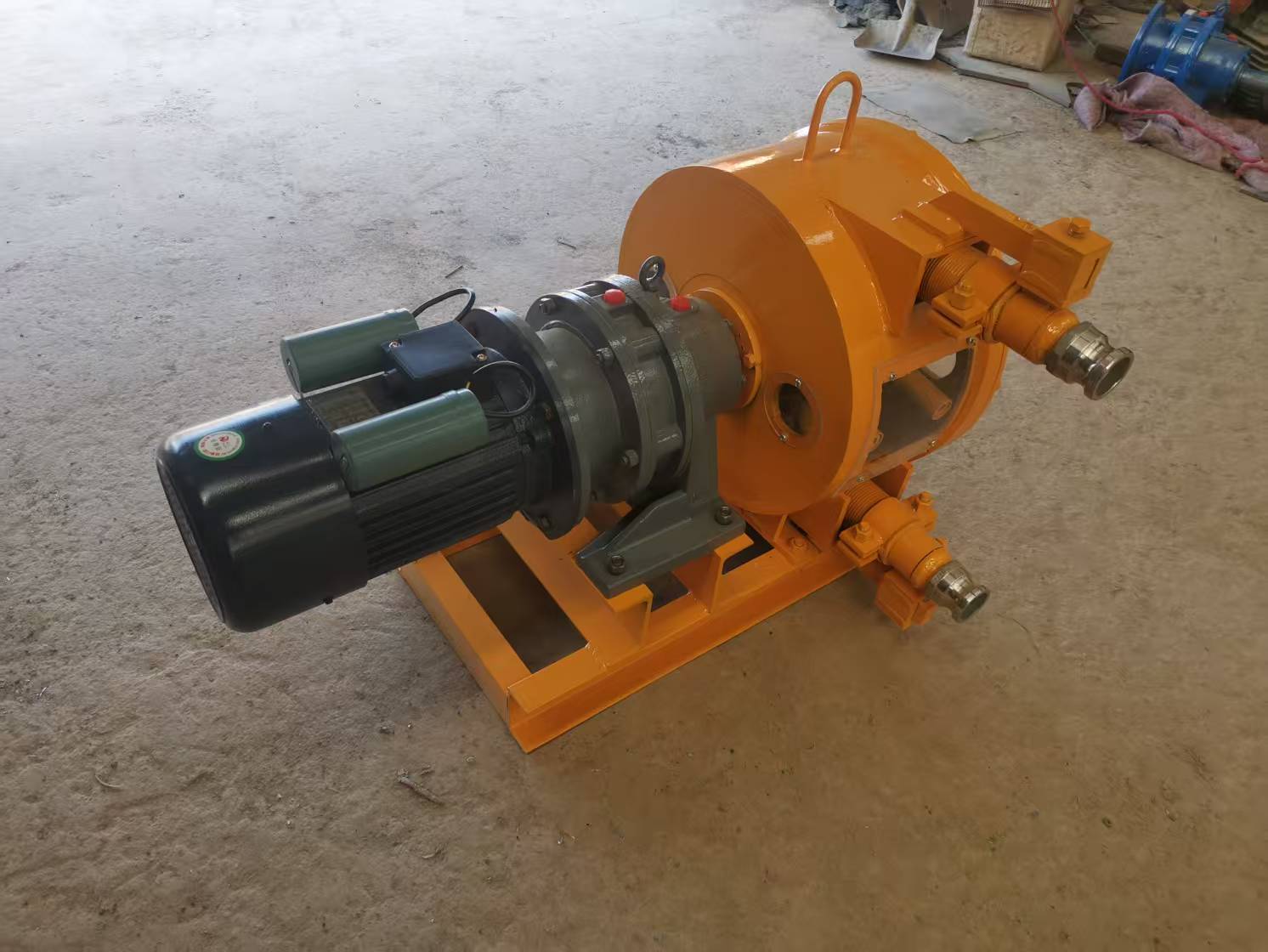
Concrete is no longer just cement, sand, and water. Today’s mixes rely heavily on chemical and mineral enhancements known as admixtures to meet performance, durability, and aesthetic demands. From skyscrapers to backyard patios, the right admixture can drastically improve workability, strength, curing time, and longevity.
2. Understanding Admixture Types
Admixtures are categorized into chemical and mineral varieties, each serving distinct functions. Chemical admixtures—like superplasticizers, accelerators, and retarders—are added in small quantities (typically <5% by weight of cement) to alter fresh or hardened concrete properties. Mineral admixtures, such as fly ash or silica fume, partially replace cement and enhance long-term performance.
- Water reducing admixtures improve flow without extra water, boosting strength.
- Air entraining admixture introduces microscopic air bubbles for freeze-thaw resistance.
- Integral waterproofer and crystalline waterproofing admixture block moisture penetration.
- Fiber reinforcement (polypropylene, steel, or coconut fiber) controls cracking and adds toughness.
3. Superplasticizers: The Game-Changer in Concrete Workability
Among all concrete chemicals, superplasticizers—also called high-range water reducers—are arguably the most transformative. They enable self-consolidating concrete with minimal vibration, ideal for complex forms and congested rebar.
Two dominant types dominate the market: naphthalene-based superplasticizer (SNF) and polycarboxylate ether (PCE). SNF, an older technology, offers strong slump retention but can cause rapid slump loss and isn’t compatible with all cements. PCE-based superplasticizers, however, provide superior flow, lower dosage requirements, and better compatibility with modern blended cements.
For example, a PCE superplasticizer can reduce water content by up to 40%, significantly increasing compressive strength while maintaining excellent workability. This makes polycarboxylate superplasticizer the go-to choice for high-strength and precast applications.
4. Accelerators vs. Retarders: Controlling Curing Time
When time is money, accelerating admixtures for concrete shorten setting time and boost early strength—critical for fast-track projects or cold-weather pours. Calcium chloride is common but corrosive; non-chloride alternatives like nitrate-based concrete accelerator are safer for reinforced structures.
Conversely, concrete retarder admixture delays hydration, useful in hot climates or for long hauls. Surface retarder concrete is even used decoratively to expose aggregates in stamped finishes. Choosing between an admixture retarder and accelerator depends entirely on ambient conditions and scheduling needs.
5. Waterproofing and Air Entrainment: Durability Boosters
Waterproofing admixture for concrete comes in two main forms: integral (mixed in) and surface-applied. Crystalline waterproofing admixture reacts with moisture to form insoluble crystals that seal capillaries—ideal for basements and tanks. Cement waterproofing additive and concrete waterproof admix also enhance resistance without membranes.
Meanwhile, air entraining concrete incorporates an air entraining agent to create stable micro-bubbles. This ‘air entraining’ process dramatically improves resistance to scaling and spalling in freeze-thaw cycles—a must for northern climates. Note: air entraining cement isn’t a product; it’s regular cement used with an air-entraining admixture.
6. Fiber Reinforcement: Beyond Traditional Rebar
Fibers for concrete—ranging from polypropylene fibres for concrete to steel fibers for concrete—act as secondary reinforcement. PP fiber concrete reduces plastic shrinkage cracks, while steel fiber reinforced concrete enhances post-crack load capacity. Even natural options like coconut fiber reinforced concrete are gaining traction in eco-friendly builds.
Macro fibers and microfibers serve different roles: macro fibers (e.g., steel or synthetic) improve structural toughness, while microfibers (like concrete microfiber) control early-age cracking. Brands like Fibermesh concrete offer ready-to-use solutions, and fiberfor concrete mix systems simplify batching.
7. Choosing the Best Admixture for Concrete
There’s no universal ‘best admixture for concrete’—it depends on your goals. Need high flow? Go for a polycarboxylate superplasticizer. Building in Minnesota? Prioritize air entraining admixture. Pouring in summer heat? A concrete retarder admixture saves the day. For waterproof basements, crystalline waterproofing admixture outperforms coatings.
Always consider compatibility. Some superplasticizer admixture types interact poorly with certain cements or other additives. Consult technical data sheets (often called bio data sheet in some regions) and test trial batches. Leading brands like Chryso admixture offer tailored solutions backed by R&D.
8. Conclusion
Modern concrete is a high-tech composite shaped by smart chemistry. Whether you’re using a water reducer to cut water content, an integral waterproofer for leak-proof walls, or fibers for crack control, admixtures unlock performance impossible with plain mix designs. By matching admixture types to project-specific challenges—from curing time to climate exposure—you ensure stronger, longer-lasting, and more sustainable structures.
Our Website founded on October 17, 2012, is a high-tech enterprise committed to the research and development, production, processing, sales and technical services of ceramic relative materials such as What. Our products includes but not limited to Boron Carbide Ceramic Products, Boron Nitride Ceramic Products, Silicon Carbide Ceramic Products, Silicon Nitride Ceramic Products, Zirconium Dioxide Ceramic Products, etc. If you are interested, please feel free to contact us.