Professional solutions on concrete addtives, Concrete Foaming Agent, Superplasticizer, CLC Blocks Additives, and foaming machine

Why Soap Based Concrete Form Release Spray is the Default Choice for Professional Finishes
The Quiet Standard
The dominant trend in modern concrete forming isn’t a flashy new technology. It’s a fundamental return to chemistry that works. The shift is definitive: experienced concrete finishers and large-scale commercial projects are moving away from petroleum-based solvents and embracing high-performance soap based concrete form release spray. The reason is simple. It provides a cleaner release, a superior surface finish, and eliminates the long-term headaches of form degradation and environmental liability. This isn’t a niche product. It has become the quiet standard for anyone who cares about the longevity of their forms and the quality of their concrete. I’ve watched this evolution over two decades. The feedback from the field is unanimous. When you get the process right, the results speak for themselves.
Understanding the Chemistry of the Barrier
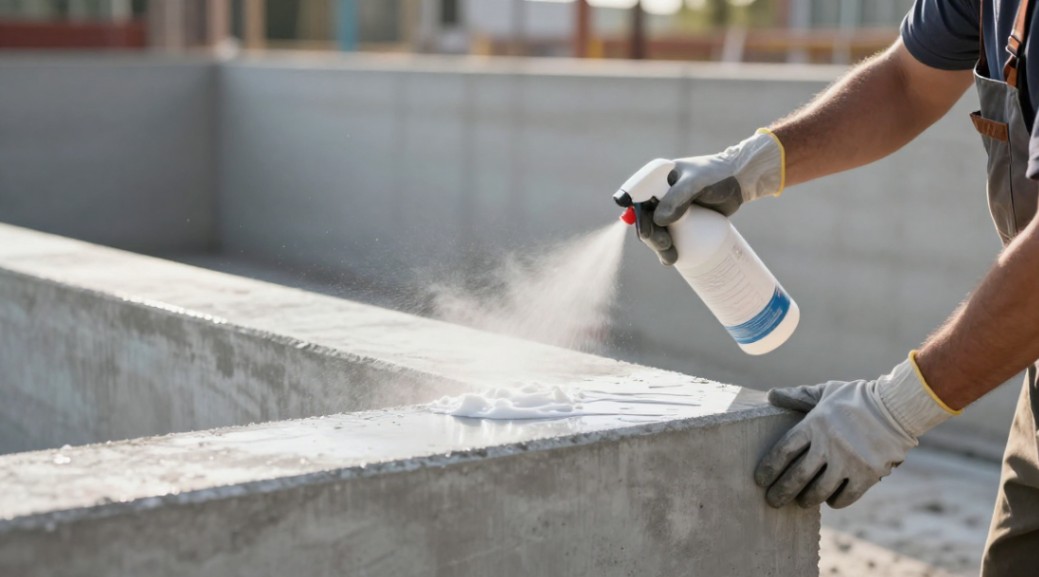
Let’s move past marketing and look at the science. A true soap based concrete form release spray isn’t just dish soap in a bottle. Its primary active ingredients are metal salts of fatty acids-typically derived from plant oils like soybean or tall oil. Think of them as supercharged, engineered soaps. When you spray this formulation onto a form, it doesn’t just sit there. It reacts. The alkaline moisture present on the form surface and, later, from the fresh concrete itself, initiates a saponification reaction. This creates an ultra-thin, insoluble metallic soap film. This film is the magic. It bonds tenaciously to the form material while presenting a slick, non-stick barrier to the curing concrete. The bond is to the form, not to the concrete. Upon stripping, this microscopic layer shears cleanly. The concrete retains its full integrity, and the form is left protected, ready for the next pour. This chemical process is the core advantage petroleum distillates can’t match-they merely coat and can be absorbed or react poorly.
The Field-Proven Advantages: Beyond Just Release
Why does this matter on a jobsite at 6 AM? The benefits are tangible and sequential. First, the surface finish. Because the release film is so thin and uniform, it prevents the pitting, bubbling, and discoloration common with heavier, oil-based agents. The concrete cures with a consistent colour and texture. Second, form life. Petroleum-based oils can degrade wood, cause swelling in plywood, and penetrate porous form liners. They attract grime. The soap film, however, seals and protects. Wood forms stay truer, steel forms resist rust-promoting residues, and plastic or fiberglass forms clean with water. Third, cleanup. This is a huge labour saver. Tools, forms, and the worksite itself don’t have a greasy, slippery film. A pressure washer or even a stiff brush and water removes the residue. This leads directly to the fourth, and now critical, point: environmental and health safety. These formulations are low-VOC, often biodegradable, and non-flammable. They eliminate solvent fumes in enclosed spaces and reduce the risk of skin irritation for crews. The cost isn’t just in the drum; it’s in the total cost of ownership-longer form life, less downtime for cleaning, and a safer worksite.
The Practitioner’s Guide: Application is Everything
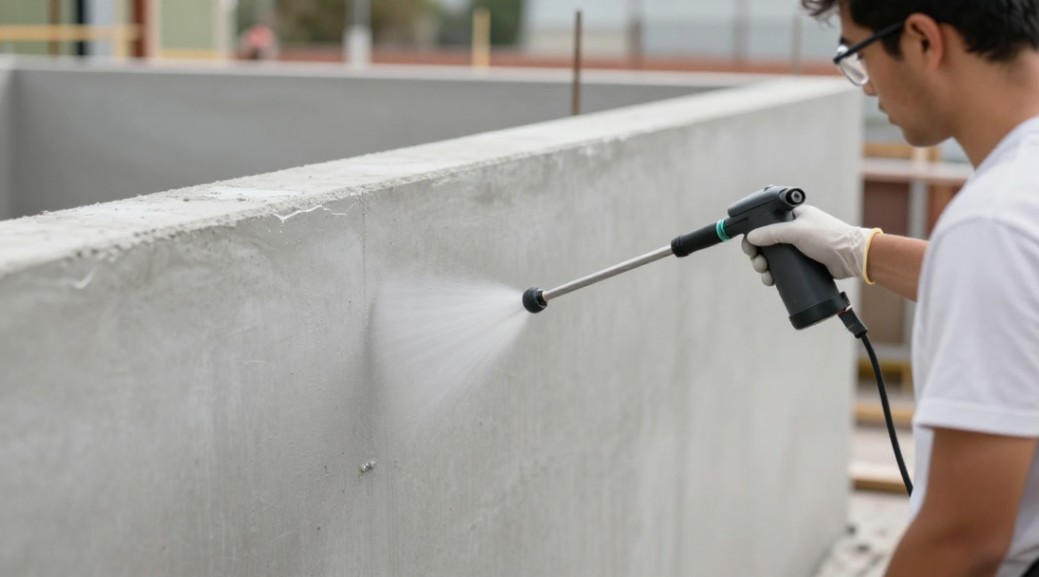
The best soap based concrete form release spray will fail if applied incorrectly. This is where craft meets chemistry. The goal is not a thick, wet coat. It is a thin, even, and complete film. Start with a meticulously clean form. All old concrete, dirt, and previous release agent must be removed. Any contaminant will telegraph through your new film. For application, use a low-pressure, fine-mist sprayer. A garden sprayer set to a fan pattern works well. Hold the nozzle 12 to 18 inches from the form surface. Apply a light, even pass. You should see a slight sheen, not a running, drippy coat. A common mistake is over-application, which can lead to runs on vertical forms and cause staining or soft spots on the concrete surface. For complex forms or heavily textured surfaces, a second very light pass may be necessary to ensure coverage in all crevices. Allow the agent to dry to a hazy, thin film before placing concrete. This drying time is crucial for the proper barrier to form.
| Step | Operation & Critical Detail |
|---|---|
| 1. Surface Prep | Remove all debris, hardened concrete, and old release agent. Forms must be clean and dry. |
| 2. Equipment Setup | Use a low-pressure (20-40 PSI), fine-mist sprayer. Agitate container thoroughly. |
| 3. Application Distance | Hold nozzle 12-18 inches (30-45 cm) from the form face. |
| 4. Coating Technique | Apply a thin, uniform coat. A slight sheen is ideal; dripping indicates over-application. |
| 5. Drying Time | Allow to dry to a hazy film (typically 5-15 minutes) before concrete placement. |
| 6. Form Compatibility | Excellent for wood, steel, aluminum, plastic, and fiberglass. Test on sensitive form liners. |
Listening to the Community: The Proof is in the Pour
You don’t have to take my word for it. The collective experience of the trade is a powerful indicator. On professional forums and job site discussions, the patterns are clear. Many contractors on industry boards note that after switching, their plywood forms last for dozens more pours because the wood isn’t breaking down from oil saturation. Precast plant managers report a dramatic reduction in form cleaning time and solvent use in their washdown areas. Finishers consistently mention the improvement in surface quality-fewer bug holes and a more uniform color from pour to pour. The common thread in this feedback is reliability. When you standardize on a properly applied soap based concrete form release spray, you remove a major variable from the concrete placing equation. The form strips cleanly. The surface looks right. The forms are ready to go again. That predictability is priceless in a business where time and material costs are always under the microscope.
A Foundation for Better Concrete
The trend toward soap-based agents isn’t about following a fad. It’s a recognition of a smarter, more holistic approach to concrete construction. It considers the entire lifecycle: from the health of the crew applying it, to the beauty of the finished wall, to the long-term value of the formwork asset, and finally, to the environmental footprint of the project. The move is driven by data on form longevity, by stricter VOC regulations, and by a demand for higher-quality architectural finishes. My advice after all these years is straightforward. Don’t view the release agent as just another consumable. View it as a critical part of your forming system. Master its application. The payoff is a smoother operation, a superior product, and the quiet confidence that comes from using a method that simply works better. Your next pour is the best place to start.
We are the global leader in lightweight concrete and advanced engineered foam solutions. Known globally for its commitment to research, innovation, and applied expertise, we have been providing engineered foam solutions since the early 2012’s.
We can supply high-quality concrete admixture and foam concrete related products all over the world.
The company has a professional technical department and quality supervision department, a well-equipped laboratory, and equipped with advanced testing equipment and after-sales customer service center.
If you are interested, please feel free and contact us.