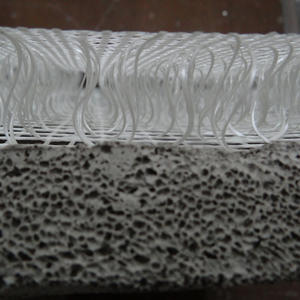
Professional solutions on concrete addtives, Concrete Foaming Agent, Superplasticizer, CLC Blocks Additives, and foaming machine

How Are Advanced Admixtures Revolutionizing 3D-Printed Concrete Construction?
1. Introduction
Just 24 hours ago, a Dubai-based startup unveiled the world’s first fully 3D-printed multi-story residential building using a proprietary concrete mix enhanced with next-generation admixtures. This milestone highlights how far additive manufacturing in construction has come—and how critical concrete chemicals are to its success.
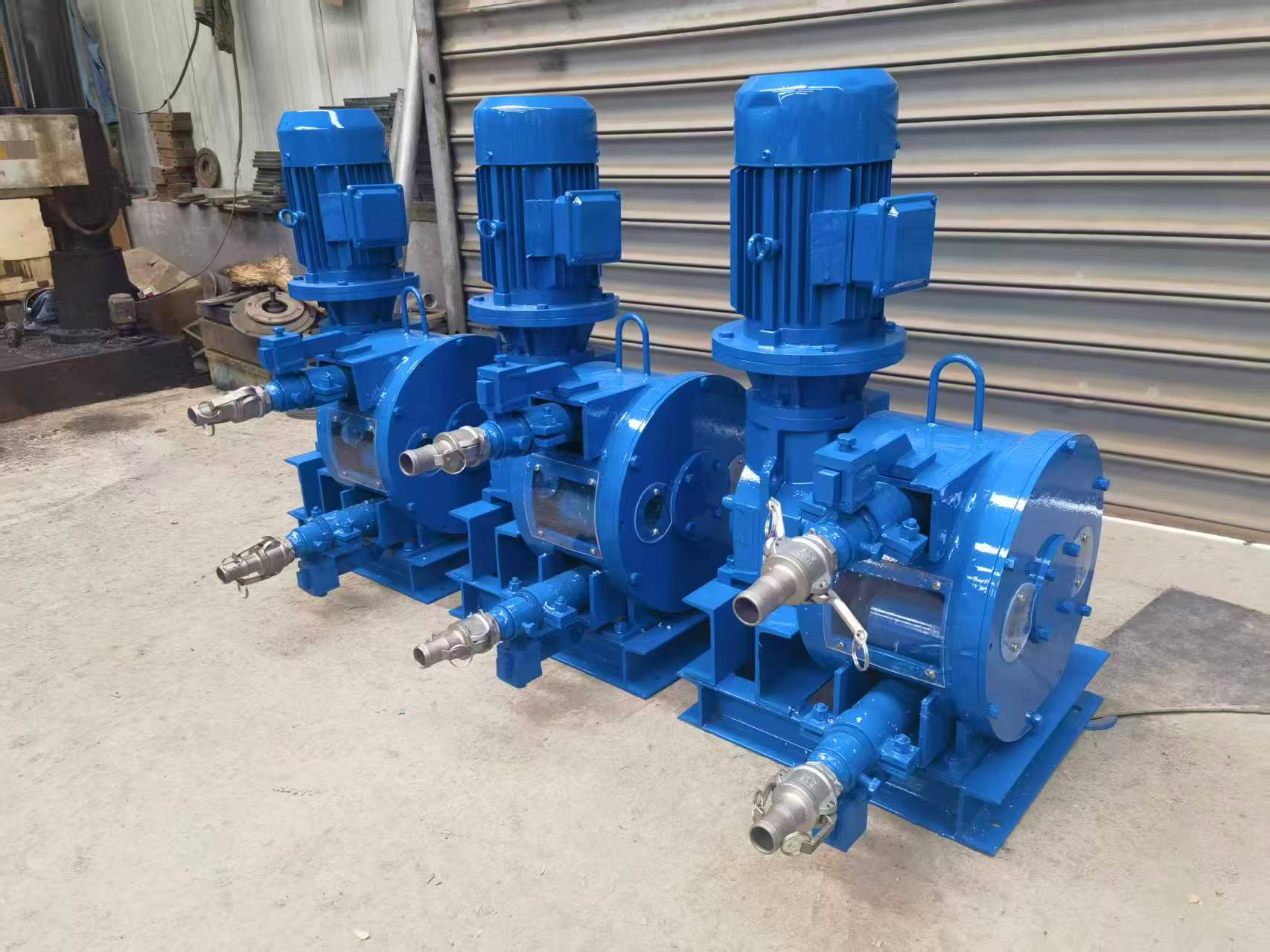
Unlike traditional poured concrete, 3D-printed structures demand precise rheology, rapid setting, and layer-to-layer adhesion without formwork. That’s where specialized admixtures step in. From superplasticizers that maintain flowability to accelerators that lock each layer in place within seconds, these concrete additives are the unsung heroes behind modern printed architecture.
2. Why Standard Concrete Doesn’t Work for 3D Printing
Conventional concrete mixes slump under their own weight when extruded vertically. They also take too long to cure, causing lower layers to deform before upper ones are added. To overcome this, engineers must reformulate the entire mix—not just with cement and aggregates, but with a strategic cocktail of admixture types.
The ideal 3D-printable concrete needs three key properties: pumpability, shape retention, and fast strength gain. Achieving this balance is impossible without advanced concrete admixtures.
3. Key Admixtures Powering 3D-Printed Concrete
3.1 Superplasticizers: The Flow Masters
Superplasticizer in concrete—especially polycarboxylate ether (PCE)-based superplasticizers—is essential for achieving high fluidity without excess water. These water reducing admixtures allow the mix to flow smoothly through the printer nozzle while maintaining low water-cement ratios for strength.
Unlike older naphthalene or melamine-based superplasticizers, modern PCE superplasticizers offer better control over workability over time. This is crucial because 3D printing can take hours, and the mix must remain printable from start to finish.
- Polycarboxylate ether superplasticizer enables high-range water reduction (up to 40%)
- Maintains consistent viscosity during long print cycles
- Reduces risk of clogging in precision extrusion systems
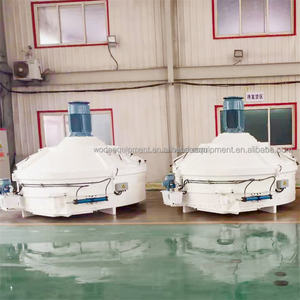
3.2 Concrete Accelerators: Speed Without Sacrifice
Concrete accelerator curing time is dramatically shortened using accelerating admixtures for concrete. In 3D printing, each layer must harden within minutes to support the next—often within 5 to 15 minutes.
Fast curing concrete additives like calcium nitrate or proprietary blends (e.g., Chryso admixture systems) provide early strength without compromising long-term durability. Some even allow printing in cooler climates where standard mixes would set too slowly.
3.3 Fiber Reinforcement: Building Strength Layer by Layer
Since 3D-printed walls lack traditional rebar, reinforcement fiber for concrete becomes critical. Polypropylene fibres for concrete, steel fibers for concrete, and even carbon fiber reinforcement in concrete are now commonly added directly into the mix.
These fibers prevent cracking between layers and improve tensile strength. Macro fibers and microfibers—like pp fiber concrete or concrete microfiber—work together to create a ductile, crack-resistant matrix. Coconut fiber reinforced concrete is also being tested for sustainable, low-carbon alternatives.
- Steel fiber reinforced concrete enhances load-bearing capacity
- Polypropylene fibre reduces plastic shrinkage cracks
- Carbon fiber concrete offers high strength-to-weight ratios for slender designs
4. Specialty Additives for Performance & Finish
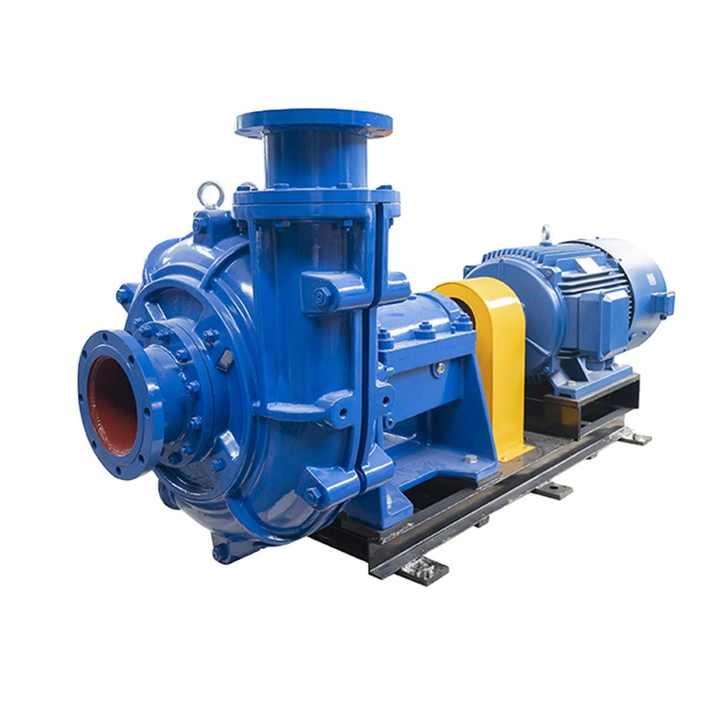
Beyond core structural needs, other concrete additives fine-tune performance. Air entraining admixture introduces microscopic air bubbles, improving freeze-thaw resistance in outdoor printed structures. Meanwhile, integral waterproofer and crystalline waterproofing admixture ensure durability against moisture ingress—critical for homes made with concrete siding or fibercement siding.
For aesthetic applications, colored concrete powders and release agents allow printed façades to mimic wood, stone, or brick. Brands like Hardie concrete siding and CertainTeed concrete siding have inspired architects to replicate those textures digitally—using tinted concrete and patterned extrusion paths.
Even foaming agents play a role: CLC foaming agent or protein-based foaming agent can create lightweight infill layers within printed walls, improving insulation without sacrificing printability.
5. Choosing the Best Admixtures for 3D Printing
Selecting the best admixture for concrete in 3D printing isn’t about one ‘magic’ product—it’s about synergy. A typical high-performance printable mix might include:
- A PCE-based superplasticizer admixture for flow control
- A tailored concrete accelerator to manage build speed
- Polypropylene and steel fibers for hybrid reinforcement
- An air entraining agent for climate resilience
- A crystalline waterproofing admixture for longevity
Manufacturers now offer pre-blended systems specifically labeled as ‘3D-printable concrete admixtures,’ simplifying on-site batching. Always review the bio data sheet for compatibility and dosage rates.
6. Conclusion
As 3D concrete printing moves from prototypes to mainstream housing—especially for affordable, disaster-resilient, and custom-designed homes—the role of advanced admixtures will only grow. Whether it’s a superplasticizer enabling smooth extrusion or a waterproof admix protecting a concrete siding house from rain, these concrete chemicals are transforming how we build.
The future of construction isn’t just digital—it’s chemically engineered, layer by precise layer.
Our Website founded on October 17, 2012, is a high-tech enterprise committed to the research and development, production, processing, sales and technical services of ceramic relative materials such as How. Our products includes but not limited to Boron Carbide Ceramic Products, Boron Nitride Ceramic Products, Silicon Carbide Ceramic Products, Silicon Nitride Ceramic Products, Zirconium Dioxide Ceramic Products, etc. If you are interested, please feel free to contact us.