Professional solutions on concrete addtives, Concrete Foaming Agent, Superplasticizer, CLC Blocks Additives, and foaming machine

What Are Admixtures and How Do They Transform Modern Concrete?
1. Introduction
Just 24 hours ago, global construction leaders at the World Concrete Summit announced a major industry shift toward low-carbon, high-performance concrete—powered largely by advanced admixtures. This move underscores how essential concrete chemicals have become in meeting sustainability goals without sacrificing strength or durability. Whether you’re a contractor, engineer, or DIY enthusiast, understanding admixtures is key to mastering modern concrete work.
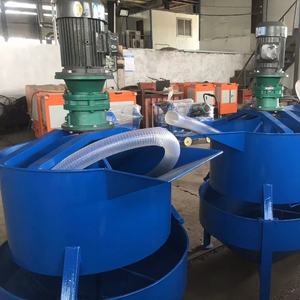
Admixtures—also called concrete additives—are materials added to concrete before or during mixing to modify its properties. Far from being optional extras, they’re now standard in nearly every major concrete project worldwide. From skyscrapers to backyard patios, the right admixture can mean the difference between cracking in winter and lasting decades.
2. What Are Admixtures?
Admixtures (sometimes spelled ‘ad mixtures’) are substances other than water, aggregates, and cement that are added to concrete to enhance its performance. These can be chemical or mineral in nature and are used in small quantities—typically less than 5% by weight of cement—but deliver outsized benefits.
The primary goal? To improve workability, control setting time, increase strength, reduce permeability, or add special characteristics like color or freeze-thaw resistance. Without them, many of today’s architectural feats—from ultra-thin slabs to self-compacting concrete—would simply be impossible.
3. Major Types of Concrete Admixtures
3.1. Water-Reducing Admixtures
Water reducing admixtures, including mid-range and high-range varieties, decrease the water content needed for a given slump (workability). Less water means higher strength and lower permeability. The most powerful among these are superplasticizers—often based on polycarboxylate ether (PCE) or naphthalene sulfonate.
Superplasticizer in concrete allows for fluid mixes without segregation, ideal for densely reinforced structures. Brands like Chryso offer advanced superplasticizer admixtures that boost flow while cutting cement use—supporting greener builds. PCE-based superplasticizers are now considered the best admixture for concrete in high-performance applications due to their efficiency and compatibility.
3.2. Retarding and Accelerating Admixtures
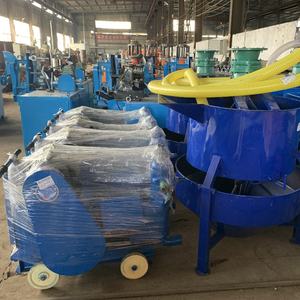
Concrete retarder admixtures delay setting time—useful in hot weather or long hauls. Surface retarder concrete products even allow decorative stamping by keeping the surface soft while the core hardens.
On the flip side, accelerating admixtures for concrete—like calcium chloride or non-chloride alternatives—speed up early strength gain. A concrete accelerator can cut curing time dramatically, enabling faster form removal and earlier load application. This is crucial for fast curing concrete additives used in emergency repairs or cold climates.
3.3. Air-Entraining Admixtures
Air entraining concrete contains microscopic air bubbles created by air entraining agents. These bubbles act as pressure relief valves during freeze-thaw cycles, preventing internal cracking. An air entraining admixture is mandatory in regions with harsh winters and is often specified in standards for pavements and bridges.
Despite common confusion, air entraining isn’t about making foam—it’s about durability. Air entraining cement improves resilience without significantly altering strength.
3.4. Waterproofing and Integral Additives
Waterproofing admixture for concrete comes in several forms. Crystalline waterproofing admixture reacts with moisture and unhydrated cement to grow crystals that block capillaries—ideal for basements and tanks. Alternatively, integral waterproofer or cement waterproofing additive blends directly into the mix, eliminating the need for external membranes.
These concrete waterproof admix solutions are increasingly favored over coatings because they last the life of the structure. Look for terms like admixture waterproofing or waterproof admix when sourcing durable protection.
4. Fiber Reinforcement and Specialty Additives
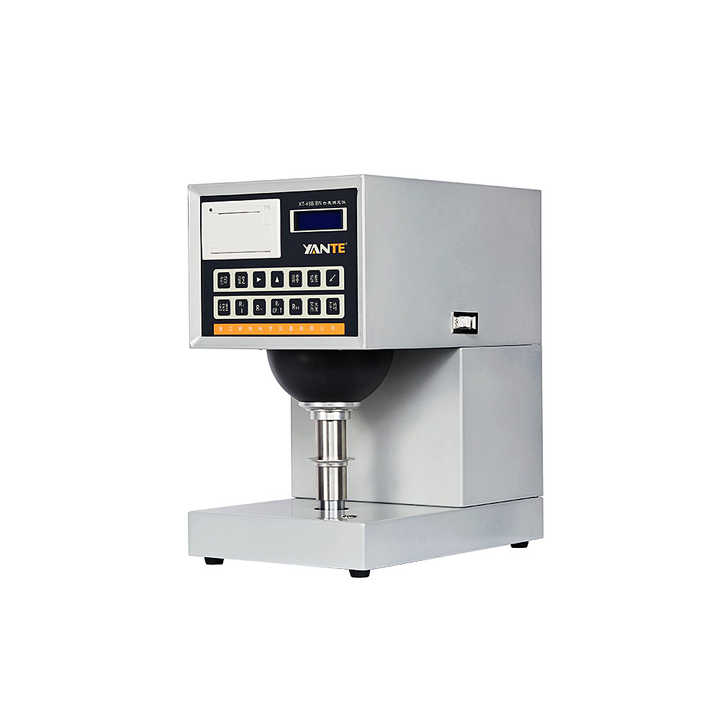
Fibers for concrete—such as polypropylene fibres, steel fibers, or even coconut fiber—add tensile strength and crack control. Fiber reinforced concrete is now standard in industrial floors, shotcrete, and seismic zones.
Macro fibers and microfibers serve different roles: macro fibers bridge cracks, while microfibers reduce plastic shrinkage. Products like Fibermesh concrete integrate these seamlessly. Whether you’re using carbon fiber reinforced concrete for lightweight strength or pp fiber concrete for cost-effective toughness, reinforcement fiber for concrete has revolutionized structural design.
Note: While concrete fiber siding (e.g., Hardie or Certainteed brands) uses fiber-cement composites for homes, this is distinct from fiber-reinforced structural concrete—but both rely on similar principles of composite enhancement.
5. Other Functional Admixtures
Foaming agents for foam concrete—like protein-based or synthetic CLC foaming agents—create lightweight cellular concrete used in insulation blocks and void filling. Meanwhile, concrete release agents (powder or spray) prevent sticking during casting, with tinted versions even adding color during stamping.
Colored concrete relies on pigments mixed in or applied via powder release agents. Popular stamped concrete colors include charcoal, terra cotta, and gray—achievable with quality concrete stain powder and proper release techniques.
White cement, though not an admixture itself, often works with superplasticizers and pigments to create white concrete countertops or architectural elements. Its bright base enhances color consistency and aesthetic appeal.
6. Choosing the Right Admixture
The best admixture for concrete depends on your project’s climate, design, and performance needs. For high-flow applications, a polycarboxylate superplasticizer is unmatched. For freeze resistance, prioritize air entraining. For wet environments, go crystalline or integral waterproofing.
Always consult technical data sheets (sometimes called bio data sheets in error) and consider compatibility—especially when blending multiple concrete chemicals. Reputable suppliers like those found at Home Depot or specialized manufacturers provide guidance on dosage and mixing protocols.
7. Conclusion
Admixtures have evolved from niche additives to indispensable tools in modern construction. Whether you’re optimizing a mix with a concrete water reducer, boosting durability with an air entraining agent, or creating stunning colored stamped concrete, these concrete additives unlock precision, efficiency, and innovation. As the industry moves toward smarter, greener concrete, admixtures will remain at the heart of the revolution.
Our Website founded on October 17, 2012, is a high-tech enterprise committed to the research and development, production, processing, sales and technical services of ceramic relative materials such as What. Our products includes but not limited to Boron Carbide Ceramic Products, Boron Nitride Ceramic Products, Silicon Carbide Ceramic Products, Silicon Nitride Ceramic Products, Zirconium Dioxide Ceramic Products, etc. If you are interested, please feel free to contact us.