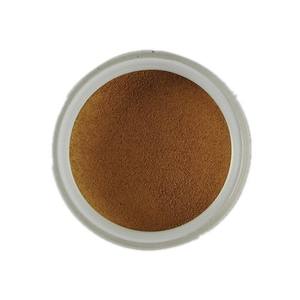
Professional solutions on concrete addtives, Concrete Foaming Agent, Superplasticizer, CLC Blocks Additives, and foaming machine

7 Must-Know Types of Concrete Admixtures and How They Transform Modern Construction
1. Introduction
Just 24 hours ago, a major breakthrough was announced by a leading European construction materials firm: a new generation of polycarboxylate ether (PCE)-based superplasticizers that reduce water content by up to 40% while enhancing early-strength development in cold climates. This innovation highlights how rapidly concrete admixtures are evolving—and why understanding the different admixture types matters more than ever for modern builders, engineers, and DIY enthusiasts.
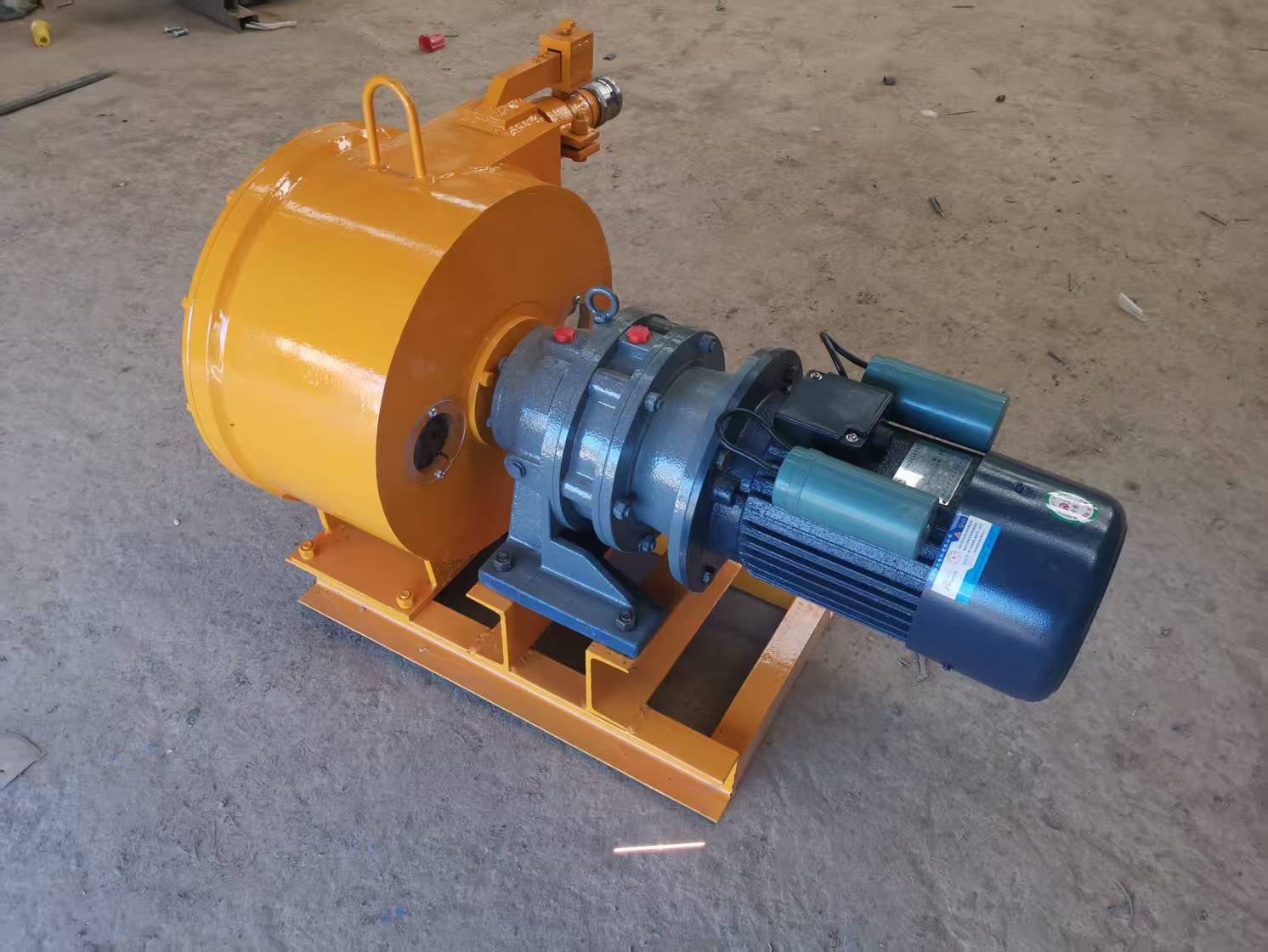
Concrete isn’t just cement, sand, and water anymore. Today’s high-performance structures rely heavily on chemical and mineral enhancements known collectively as admixtures. These concrete additives fine-tune everything from workability and curing time to freeze-thaw resistance and visual appeal. In this guide, we’ll break down seven critical categories of admixtures used in concrete, compare their real-world performance, and reveal which options deliver the best results for specific applications.
2. Superplasticizers: The Game-Changers in Workability
Superplasticizers—also called high-range water reducers—are among the most transformative concrete chemicals available. They dramatically increase fluidity without adding extra water, enabling self-consolidating concrete and intricate architectural forms.
2.1. Naphthalene vs. Polycarboxylate Superplasticizers
Naphthalene-based superplasticizers (SNF) have been industry staples for decades. They’re cost-effective and provide strong initial slump retention. However, they can cause rapid slump loss over time and aren’t ideal for long-haul deliveries.
In contrast, polycarboxylate ether (PCE) superplasticizers offer superior control. They deliver higher water reduction (up to 40%), better slump retention, and compatibility with supplementary cementitious materials like fly ash. PCE-based superplasticizer admixtures are now the go-to for high-strength and ultra-high-performance concrete.
- Best for high-flow applications: PCE superplasticizer
- More economical for basic pours: Naphthalene sulfonate
3. Air-Entraining Admixtures: Boosting Freeze-Thaw Durability
Air entraining concrete contains microscopic air bubbles intentionally introduced via air entraining admixtures. These bubbles act as pressure relief valves during freeze-thaw cycles, preventing surface scaling and internal cracking.
Air entraining agents—often derived from vinsol resin or synthetic surfactants—are essential in cold-climate infrastructure. While they slightly reduce compressive strength, the trade-off is vastly improved longevity. Look for products labeled ‘air entraining cement’ or ‘air entraining concrete additive’ when durability is non-negotiable.
4. Waterproofing Admixtures: Beyond Surface Coatings
Forget topical sealers—integral waterproofers work from within. Crystalline waterproofing admixtures react with moisture and unhydrated cement particles to form insoluble crystals that block capillary pores.
Other options include hydrophobic admixtures and cement waterproofing additives that repel water at the molecular level. For basements, tunnels, or water tanks, a crystalline waterproofing admixture offers permanent, self-healing protection—making it one of the best admixtures for concrete exposed to constant moisture.
5. Set Modifiers: Accelerators and Retarders
Timing is everything in concrete placement. Accelerating admixtures for concrete shorten curing time—critical for fast-track projects or cold-weather pours. Common accelerators include calcium nitrate or proprietary blends that boost early strength without excessive heat.
On the flip side, concrete retarder admixtures delay hydration, useful in hot weather or for complex placements. Surface retarder concrete products even allow decorative stamping by keeping the top layer soft while the base sets.
- Fast curing concrete additives = shorter project timelines
- Admixture retarder = extended workability window
6. Fiber Reinforcement: From Micro to Macro
Fibers for concrete aren’t just filler—they’re functional reinforcement. Polypropylene fibres for concrete (microfibers) control plastic shrinkage cracks, while steel fibers for concrete (macro fibers) enhance post-crack toughness and impact resistance.
Emerging options like carbon fiber reinforced concrete offer exceptional tensile strength and conductivity for smart infrastructure. Coconut fiber reinforced concrete is also gaining traction in sustainable builds. Whether you’re mixing fiber reinforced concrete for industrial floors or choosing concrete siding for homes (like Hardie or CertainTeed fibercement siding), the right fiberfor concrete mix makes a measurable difference.
7. Specialty Additives: Color, Release, and Foam
Modern concrete goes beyond structure—it’s aesthetic. Colored concrete powders and stamped concrete colors let designers mimic stone, brick, or wood. Concrete release agents (powder or spray) prevent sticking during stamping without marring patterns.
Meanwhile, foaming agents for foam concrete—especially protein-based or synthetic CLC foaming agents—enable lightweight cellular concrete for insulation blocks or void filling. The best foaming agent for aircrete balances stability, bubble size, and cost.
8. Conclusion
From superplasticizer in concrete to crystalline waterproofing admixture and polypropylene fibre reinforcement, today’s admixture types empower unprecedented control over concrete performance. Whether you’re optimizing for strength, speed, durability, or design, the best admixture for concrete depends on your specific environmental and structural demands. As innovations like next-gen PCE superplasticizers hit the market, staying informed ensures your builds are not just solid—but smarter.
Our Website founded on October 17, 2012, is a high-tech enterprise committed to the research and development, production, processing, sales and technical services of ceramic relative materials such as 7. Our products includes but not limited to Boron Carbide Ceramic Products, Boron Nitride Ceramic Products, Silicon Carbide Ceramic Products, Silicon Nitride Ceramic Products, Zirconium Dioxide Ceramic Products, etc. If you are interested, please feel free to contact us.