Professional solutions on concrete addtives, Concrete Foaming Agent, Superplasticizer, CLC Blocks Additives, and foaming machine

Admixtures Are Revolutionizing Modern Concrete—Here’s Everything You Need to Know
1. Introduction
Just 24 hours ago, a major infrastructure project in Texas announced it would use advanced polycarboxylate ether (PCE)-based superplasticizers to achieve ultra-high-strength concrete with minimal water content—a move expected to cut curing time by 30%. This highlights how modern admixtures are no longer optional extras but essential tools in sustainable, high-performance construction.
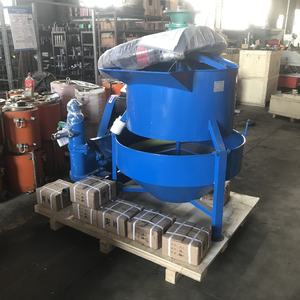
If you’ve ever wondered what makes concrete pour smoothly, set faster, resist water, or even look like wood, the answer usually lies in admixtures. These concrete additives—also called ad mixtures or chemical admixtures for concrete—are specially formulated compounds added to concrete mixes to modify their properties during mixing, placing, or hardening.
2. What Are Admixtures?
Admixtures are ingredients other than cement, water, aggregates, and fibers that are added to concrete before or during mixing. They can be chemical or mineral-based and serve specific purposes like improving flow, accelerating strength gain, or enhancing durability.
The term ‘concrete admixture’ covers a wide range of products, from simple plasticizers to complex crystalline waterproofing systems. Whether you’re pouring a driveway or building a skyscraper, there’s likely an admixture used in concrete to meet your needs.
3. Common Types of Concrete Admixture
There are dozens of admixture types, but they generally fall into functional categories. Let’s break down the most widely used ones:
- Water reducing admixtures (including mid-range and high-range water reducers) improve workability without adding extra water. Superplasticizer in concrete is the most powerful type, often based on polycarboxylate ether (PCE) or naphthalene sulfonate.
- Concrete accelerator and accelerating admixtures for concrete speed up early strength development—ideal for cold weather or fast-track projects. They directly impact concrete accelerator curing time.
- Concrete retarder and admixture retarder slow down setting, useful in hot climates or for long hauls. Surface retarder concrete is a specialty version used in decorative stamped finishes.
- Air entraining admixture introduces microscopic air bubbles, boosting freeze-thaw resistance. This includes air entraining agent and air entraining cement formulations.
- Waterproofing admixture options include integral waterproofer, cement waterproofing additive, and crystalline waterproofing admixture—each offering different levels of moisture protection.
4. Superplasticizers: The Game-Changer
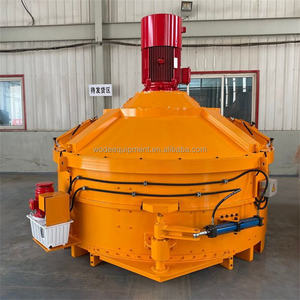
Superplasticizers (also called super plasticizers or plasticizer for concrete) are among the most transformative concrete chemicals available today. A superplasticizer admixture can reduce water content by up to 40% while maintaining excellent flow—resulting in stronger, more durable concrete.
Modern superplasticizers like PCE-based products outperform older melamine or naphthalene types in both efficiency and compatibility. When people ask for the best admixture for concrete in high-performance applications, superplasticizer is almost always the answer.
You’ll often see terms like polycarboxylate superplasticizer, PCE plasticizer, or high range water reducer used interchangeably. These are all forms of concrete water reducer technology that enable self-consolidating and ultra-high-performance concrete mixes.
5. Waterproofing and Durability Enhancers
Waterproof admix solutions are critical for basements, tunnels, and marine structures. Options include concrete waterproofing additive, waterproofing admixture for concrete, and admixture waterproofing systems that react chemically within the matrix.
Crystalline waterproofing admixture is especially popular—it grows crystals inside capillaries to block water permanently. Unlike surface coatings, this protection is integral and long-lasting.
6. Fiber Reinforcement: Beyond Steel
Fibers for concrete add tensile strength, reduce cracking, and improve impact resistance. Common types include polypropylene fibres for concrete, steel fibers for concrete, and even coconut fiber reinforced concrete for eco-friendly builds.
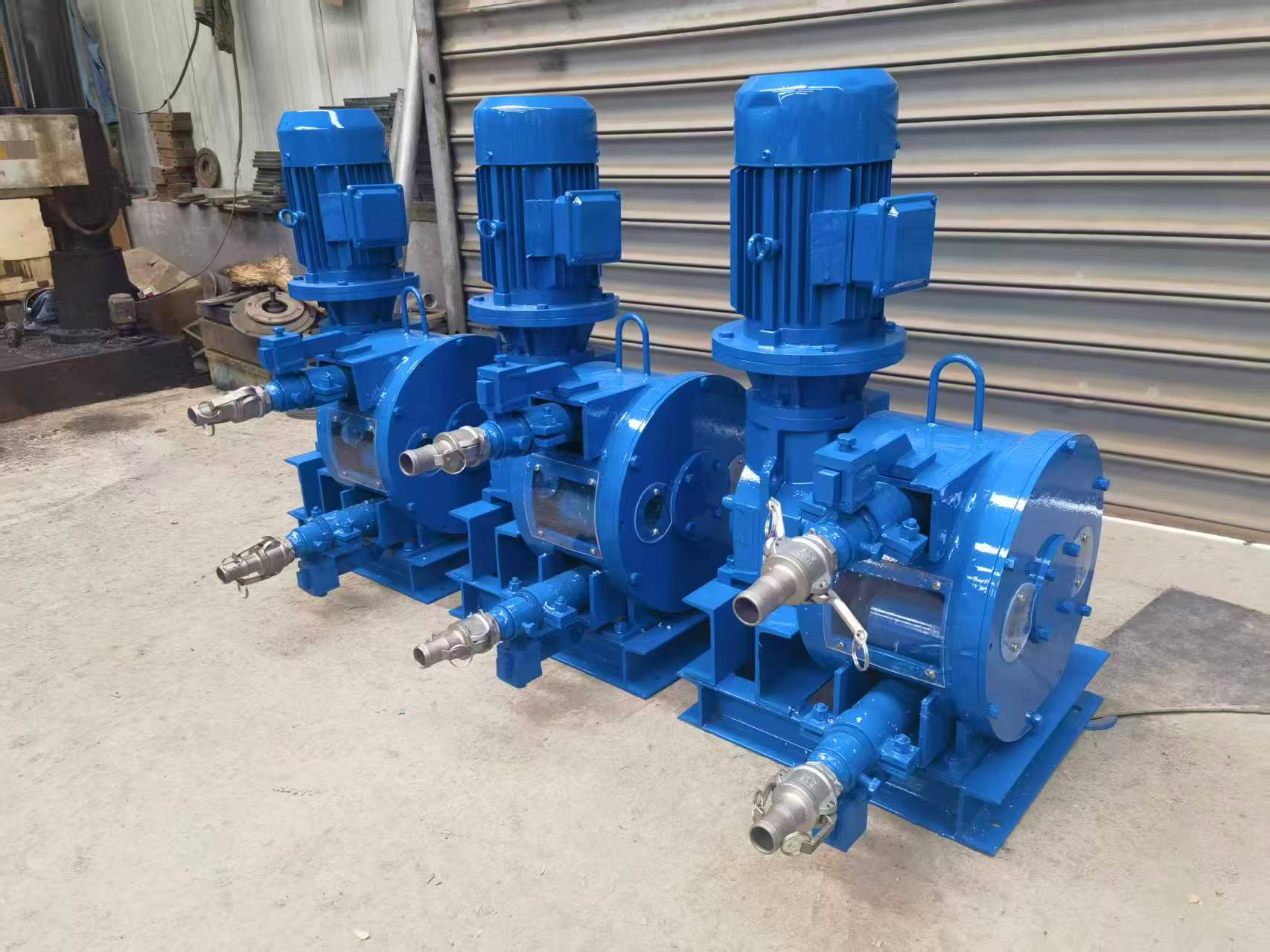
Products like fibermesh concrete, fiber reinforced concrete, and macro fibers are now standard in industrial floors, shotcrete, and precast elements. Carbon fiber reinforcement in concrete is emerging for ultra-lightweight, high-strength applications.
Note: While concrete fiber siding and fibercement siding use fibers for durability, they’re distinct from structural fiber-reinforced concrete used in foundations or slabs.
7. Specialty Additives: Color, Release, and Foam
Colored concrete relies on pigments and release agents. Stamped concrete colors—from charcoal to terra cotta—are applied using powder release agent or spray release agent to prevent sticking and add accent hues.
Foaming agents create lightweight cellular concrete. CLC foaming agent, protein based foaming agent, and synthetic foaming agent for concrete are used in foamcrete machines to produce insulating blocks or fill voids.
White cement is another niche but growing area—used in white concrete countertops, architectural panels, and decorative mortar. Its bright finish pairs well with colored stamped concrete or modern concrete siding.
8. Choosing the Right Admixture
The best admixture for concrete depends on your project goals. Need fast curing? Look at fast curing concrete additives. Pouring in summer heat? A concrete retarder admixture helps. Building near the coast? Prioritize waterproofing admixture and corrosion inhibitors.
Brands like Chryso admixture offer tailored solutions, but generic terms like cement admixture, concrete additives fiber, or additive for mortar cover countless effective products available at suppliers including Home Depot.
9. Conclusion
From superplasticizer admixture to air entraining concrete and fiberfor concrete mixes, admixtures have become indispensable in modern construction. They solve real-world problems—making concrete stronger, more workable, water-resistant, and even beautiful. As new formulations like PCE superplasticizers and crystalline waterproofers gain traction, the future of concrete is smarter, greener, and more versatile than ever.
Our Website founded on October 17, 2012, is a high-tech enterprise committed to the research and development, production, processing, sales and technical services of ceramic relative materials such as Admixtures. Our products includes but not limited to Boron Carbide Ceramic Products, Boron Nitride Ceramic Products, Silicon Carbide Ceramic Products, Silicon Nitride Ceramic Products, Zirconium Dioxide Ceramic Products, etc. If you are interested, please feel free to contact us.