Professional solutions on concrete addtives, Concrete Foaming Agent, Superplasticizer, CLC Blocks Additives, and foaming machine

Concrete Demolding Agent for Intricate Patterns: 8 Common Mistakes You Must Avoid
Choosing the Wrong Agent Destroys Detail
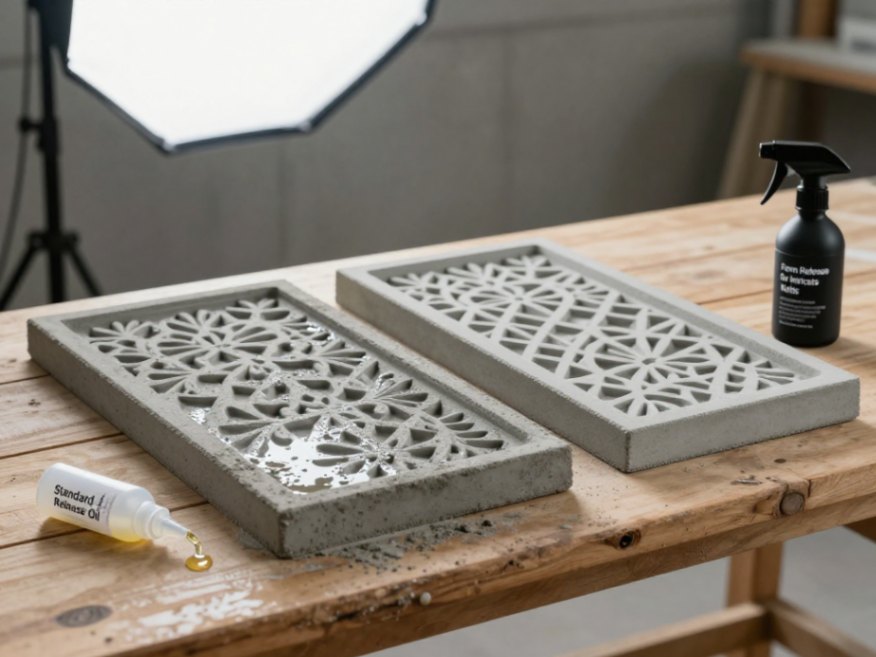
Using a standard form release oil or a generic concrete demolding agent for intricate patterns is the single most common and costly mistake. These agents are designed for flat, simple surfaces. On a complex mold, they pool in crevices, create inconsistent film thickness, and leave a greasy residue that permanently mars delicate textures. Your detailed work deserves better.
The Core Function: More Than Just a Release
A specialized concrete demolding agent for intricate patterns performs three simultaneous functions. It creates a microscopically thin, uniform barrier film. It provides constant lubrication during the crucial separation phase. Finally, it must evaporate or absorb cleanly without leaving a trace. This triad of performance-film integrity, lubricity, and cleanliness-is non-negotiable for preserving sharp lines and smooth faces.
Critical Mistakes and How to Sidestep Them
1. Ignoring Chemical Compatibility. Not all agents work with all molds. A petroleum-based formula can degrade a silicone rubber mold, causing it to swell and lose its precision. For polyurethane or fiberglass molds, you need a compatible, non-reactive emulsion. Always test the agent on a small section of your mold material first.
2. Applying Too Much. This is not a “more is better” situation. Heavy, uneven application is the primary cause of pitting, bubbling, and discoloration on the concrete surface. The excess agent cannot escape from fine details, creating a barrier that traps air and water. Apply a fine, even mist. You should barely see the wet film.
3. Using Staining Formulas. Some older or cheaper agents contain dyes or oils that migrate into the porous concrete. This leaves permanent, shadow-like stains on your finished piece, especially noticeable on light-colored mixes. Demand a non-staining, color-neutral concrete demolding agent designed for architectural finishes.
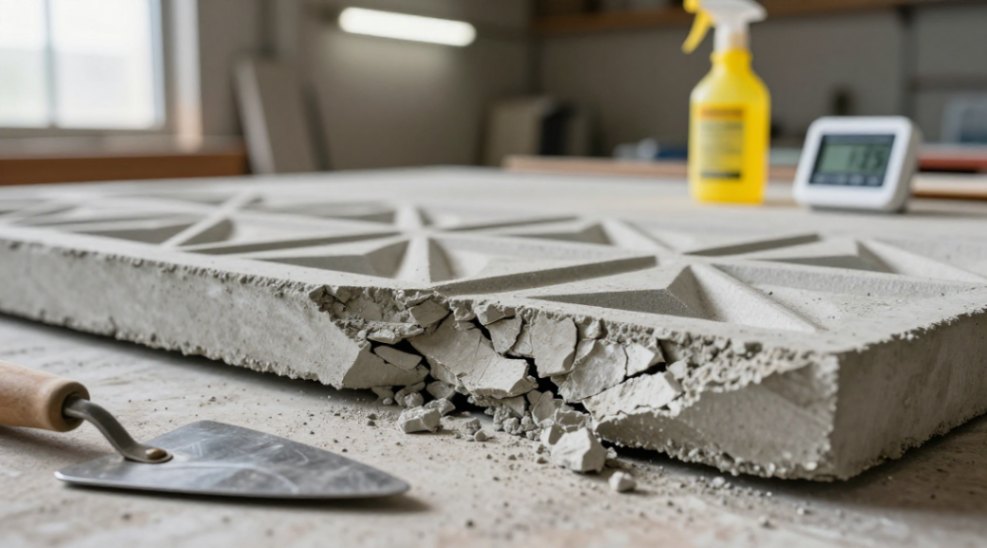
4. Demolding Too Early. Patience is part of the process. Intricate patterns create mechanical lock and increased surface friction. Demolding before the concrete has achieved sufficient green strength will tear edges and fracture fine projections. Follow the agent manufacturer’s guidance for minimum cure time, and when in doubt, wait longer.
Selecting and Applying the Right Agent
Your selection criteria should focus on performance, not price. Look for agents based on advanced synthetic polymer emulsions or highly refined plant oils. These offer the best balance of release performance, clean breakdown, and environmental safety. Low-VOC and bio-based options are now highly effective and protect your workspace.
Mastering the Application Technique
Spraying is ideal for overall coverage, but brushing is often necessary for the deepest, most complex undercuts. Use a soft, clean brush to gently work a thin layer of agent into every cavity. The goal is complete coverage with zero pooling. After application, a brief dwell time allows the emulsion to form its stable barrier film.
Post-Demolding Mold Care
Never neglect mold cleaning. Residual agent build-up will reduce release performance over time and can transfer to future casts. Use a mild detergent and a soft brush to clean the mold thoroughly after each use. This preserves both the mold’s lifespan and the finish quality of your next piece.
Secure Your Results with the Correct Tool
The difference between a ruined piece and a masterpiece lies in your preparation. Do not gamble your hours of meticulous work on an unsuitable release agent. The risk of pitting, sticking, and discoloration is simply too high.
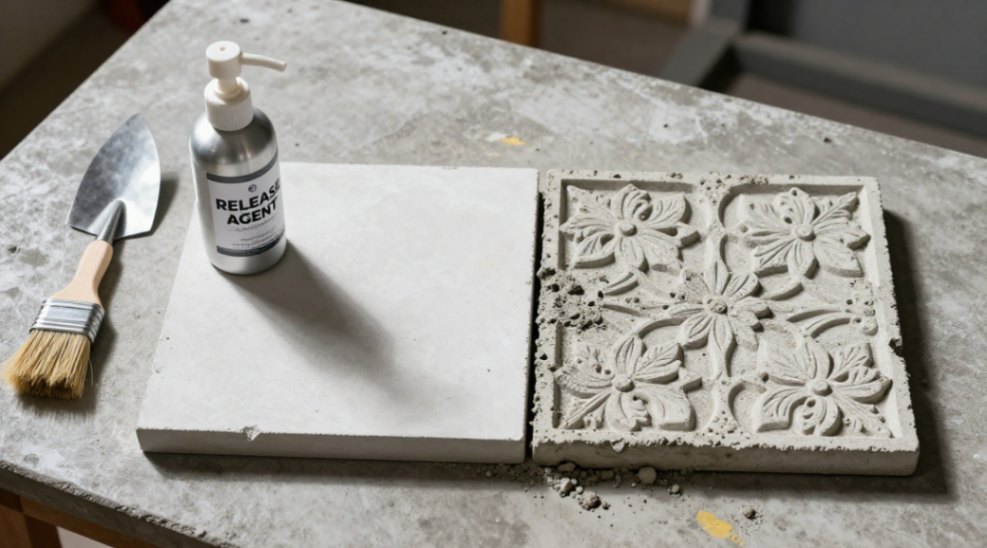
Invest in a professional-grade concrete demolding agent formulated specifically for intricate patterns. It is the insurance policy for your craftsmanship. For your next project demanding sharp detail and a perfect surface, make the right choice from the start. Your mold and your finished concrete deserve nothing less.
We are the global leader in lightweight concrete and advanced engineered foam solutions. Known globally for its commitment to research, innovation, and applied expertise, we have been providing engineered foam solutions since the early 2012’s.
We can supply high-quality concrete admixture and foam concrete related products all over the world.
The company has a professional technical department and quality supervision department, a well-equipped laboratory, and equipped with advanced testing equipment and after-sales customer service center.
If you are interested, please feel free and contact us.