Professional solutions on concrete addtives, Concrete Foaming Agent, Superplasticizer, CLC Blocks Additives, and foaming machine

The High-Cost Mistake in Firefighting: The True Price of Skipping Foam System Maintenance
The Shocking Data Behind System Failure
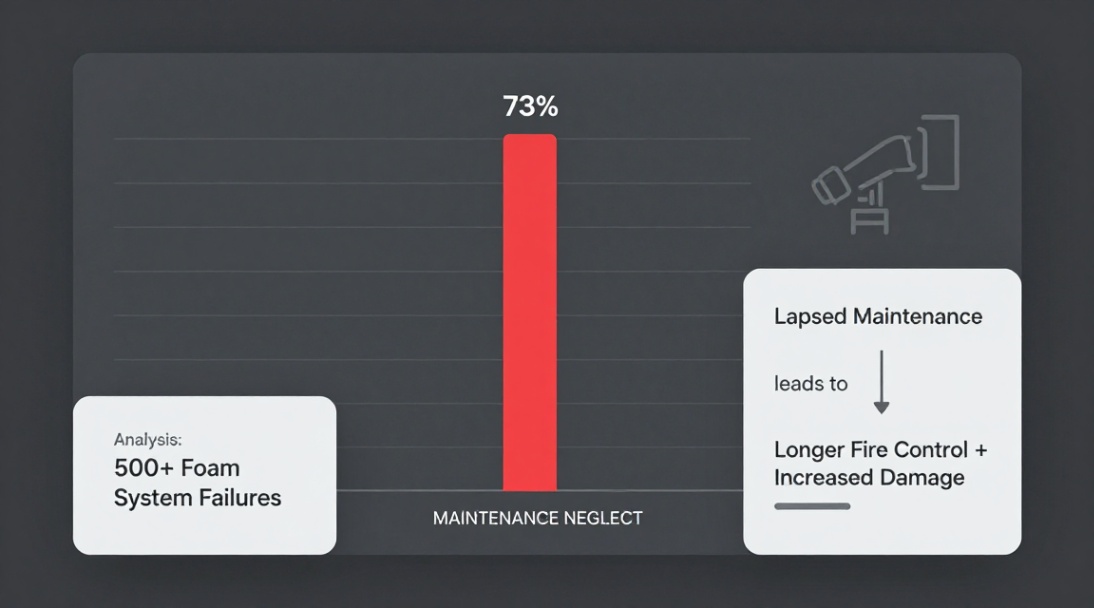
A review of over 500 foam system failures reveals a startling fact. In 73% of incidents, improper or absent maintenance was the primary contributing factor. This isn’t just about equipment downtime. It directly correlates to longer fire control times and increased asset damage. A proactive maintenance schedule for foam generating equipment is not a recommendation. It is a non-negotiable pillar of operational integrity and financial risk management.
Why a Static Schedule is Not Enough
We must move beyond generic checklists. The effectiveness of your maintenance plan depends on three dynamic variables: usage frequency, environmental conditions, and the specific chemistry of your foam concentrate. A system deployed weekly in a corrosive coastal environment demands a different regimen than one held in reserve at an inland warehouse. The schedule we outline serves as your baseline. You must adjust its intensity based on your unique operational reality.
The Definitive Maintenance Schedule Framework
The following framework integrates manufacturer guidance with NFPA 11 and 25 requirements. It provides a structured, actionable path to reliability.
The Core Pillars of Effective Maintenance
Every task in your maintenance schedule for foam generating equipment should serve one of these four core objectives. They ensure system readiness and longevity.
- Verification: Confirming system components are present and unobstructed.
- Functionality: Testing that all parts operate as designed under pressure.
- Prevention: Performing cleaning and servicing to stop failures before they start.
- Documentation: Creating a legal and operational record of all inspections and tests.
Daily & Weekly Vigilance: Catching Problems Early
These quick visual and operational checks are your first line of defense. They prevent minor issues from escalating into major failures.
Daily (Visual Inspection): Walk the system. Look for physical damage, leaks at connections, and ensure the foam concentrate tank is at the proper level. Verify that all valves are in their normal, standby position.
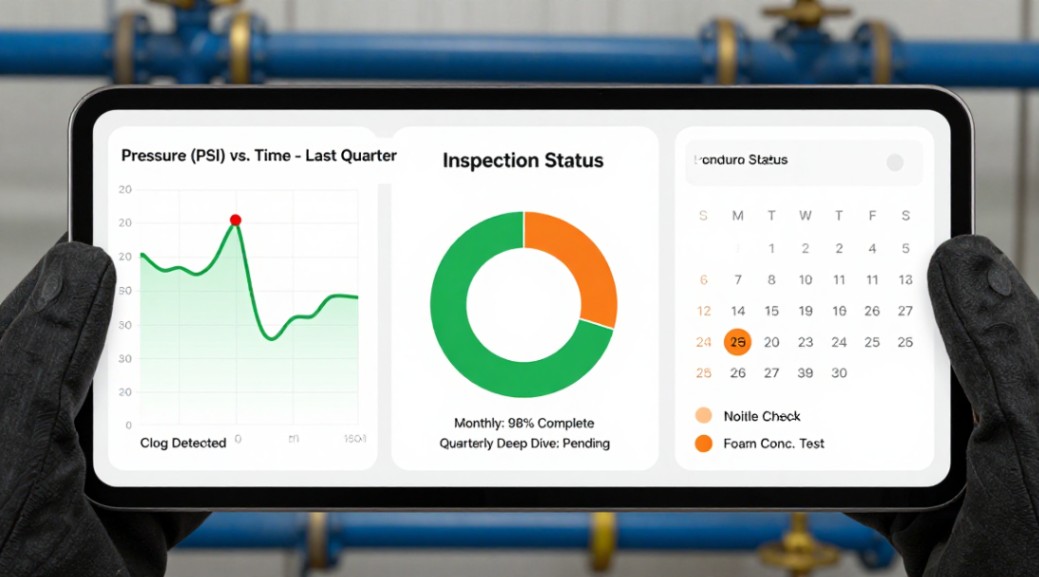
Weekly (Operational Check): Conduct a brief system flow test without discharging foam. Cycle the main pump, check system pressure gauges against the baseline, and inspect the proportioner for any signs of blockage or unusual noise. This weekly pressure check is critical for catching pump wear early.
Monthly & Quarterly Deep Dives
This is where you validate performance and prevent degradation. Monthly and quarterly tasks focus on the components most susceptible to clogging and wear.
| Task Frequency | Key Components | Primary Action |
|---|---|---|
| Monthly | Foam Nozzles, Making Valves, In-Line Strainers | Inspect, clean, and manually operate. Verify nozzle patterns are not obstructed. |
| Quarterly | Foam Concentrate Tank, All Piping | Drain a sample to cheque for stratification, sediment, or degradation. Flush piping loops if required by the concentrate type. |
Semi-Annual & Annual Authority
These major service intervals align with compliance standards and address the system’s mechanical heart. Do not defer them.
Semi-Annually: Service the main pump and drive motor according to the manufacturer’s manual. This includes checking alignment, lubricating bearings, and testing motor amp draw. Inspect all electrical connections for corrosion.
Annually: Perform a full-system discharge test with foam. This is the only way to certify the actual expansion ratio and drain time. It validates the entire chain: pump, proportioner, piping, and nozzle. Use this test to update your system certification records.
Consequences of Neglect: A Data-Backed Warning
Ignoring this maintenance schedule for foam generating equipment leads to predictable, costly failures. The data from field reports is clear.
- Clogging & Flow Failure: The most common issue. Sediment in concentrate or degraded seals blocks critical orifices in proportioners and nozzles. Flow rates drop to zero precisely when you need them most.
- Concentrate Degradation: Old or improperly stored foam breaks down. It loses its ability to form a stable blanket. You discharge water with a faint soapy smell, not a fire-suppressing foam.
- Ratio Drift: A worn proportioner piston or diaphragm cannot maintain the designed 1%, 3%, or 6% injection rate. You use concentrate too fast or apply ineffective, watered-down foam.
- Catastrophic Mechanical Failure: A pump that has not been serviced will seize during a prolonged discharge. You are left with no system at all.
Your Action Plan for Unshakeable Reliability
Knowledge is useless without action. Implement these steps now to transform your program from reactive to resilient.
- Adopt This Schedule: Formalize this framework into your site’s preventive maintenance software. Assign frequencies and responsibilities.
- Build Your Critical Spares Kit: Stock these items on-site: spare proportioner seals/diaphragms, nozzle gaskets, a set of strainer screens, and the specific filter elements for your pump. Downtime waiting for a $50 seal is unacceptable.
- Document Everything: Every inspection, test, and service gets a dated entry in a master log. This is your evidence of due diligence and your primary tool for troubleshooting trends.
- Review and Adapt: Annually, analyse your log. If you perform weekly tests but find issues monthly, increase the frequency. Let your own data refine the schedule.
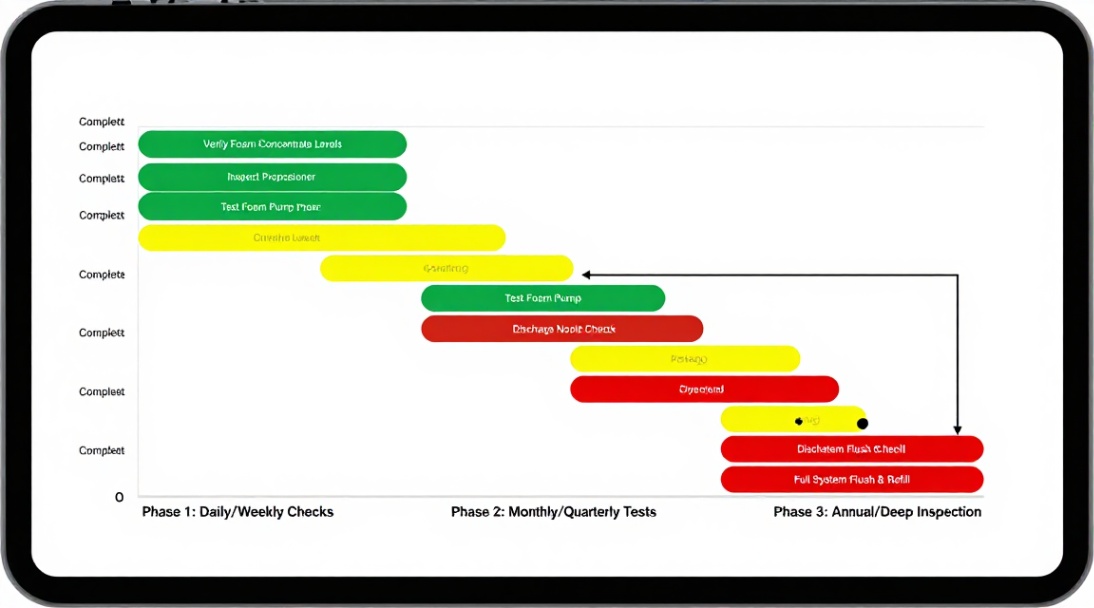
This is not a theoretical exercise. Your facility’s protection depends on the readiness of these systems. The detailed, phase-by-phase maintenance schedule for foam generating equipment provided here is the blueprint for that readiness. Do not compromise. Your next test could prevent your next disaster.
Ready to validate your system’s readiness? Download our free, comprehensive maintenance checklist and logbook template. This is the exact tool used by leading industrial safety teams to ensure compliance and operational confidence. Get your copy and execute the first step in a reliable protection strategy today.
We are the global leader in lightweight concrete and advanced engineered foam solutions. Known globally for its commitment to research, innovation, and applied expertise, we have been providing engineered foam solutions since the early 2012’s.
We can supply high-quality concrete admixture and foam concrete related products all over the world.
The company has a professional technical department and quality supervision department, a well-equipped laboratory, and equipped with advanced testing equipment and after-sales customer service center.
If you are interested, please feel free and contact us.