Professional solutions on concrete addtives, Concrete Foaming Agent, Superplasticizer, CLC Blocks Additives, and foaming machine

Concrete Foaming Agent Mistakes: 5 Critical Errors That Ruin Lightweight Concrete
A Story of Collapse: When Lightweight Concrete Fails
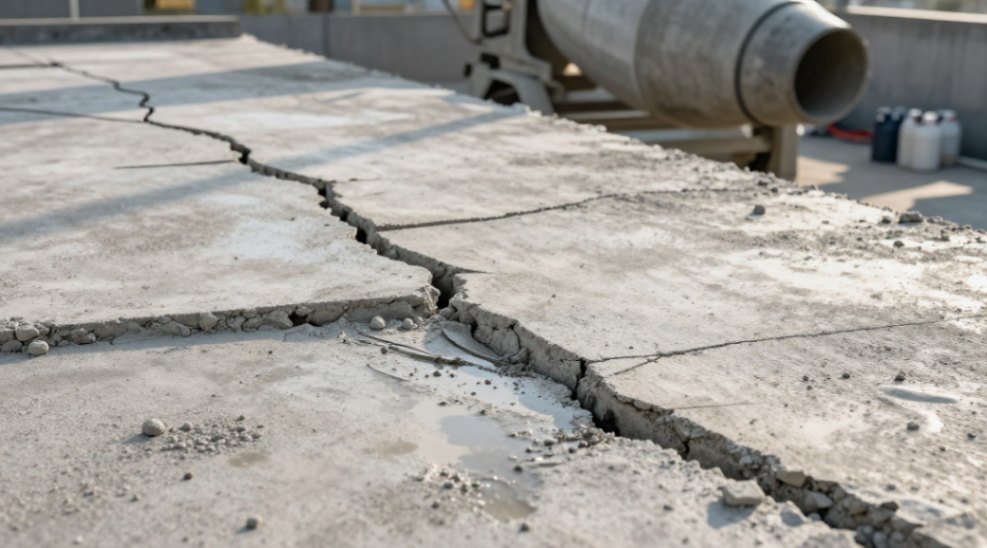
I watched a contractor pour a lightweight roof screed. The foamed concrete looked perfect in the mixer—light, airy, promising excellent thermal insulation. Twelve hours later, the surface had collapsed into a dense, cracked slab. The culprit? An incompatible superplasticizer added haphazardly to the mix, which destabilized the foam’s delicate air-void structure. This isn’t a rare story. On professional forums, many users report similar failures: inconsistent densities, weak strengths, and total foam collapse. These problems almost always trace back to a few fundamental, yet avoidable, errors with the Concrete Foaming Agent.
1. The First Mistake: Ignoring Agent Chemistry and Compatibility
Not all foaming agents are equal. Your first critical decision is choosing between synthetic and protein-based types. Synthetic agents, often sulfate-based, are cost-effective and generate high foam volumes quickly. Protein-based agents, derived from hydrolyzed proteins, typically produce smaller, more stable bubbles resulting in higher strength for a given density. The fatal error is treating them as interchangeable.
Compatibility is Non-Negotiable
Your Concrete Foaming Agent must work in harmony with every other admixture in the mix. A common disaster involves combining a foaming agent with an anionic concrete water reducer or a powerful superplasticizer without testing. Their opposing chemistries can break the foam instantly. Always conduct small-scale compatibility tests before full-scale production. If you are using a nano-modifier, hydroxypropyl methyl cellulose (HPMC), or redispersible polymer powder, verify their interaction with your chosen foamer first.
2. The Second Mistake: Neglecting Foam Stability and Bubble Structure
The primary function of a foaming agent is to create a system of stable, uniformly sized air voids. These voids lower density and provide insulation. Instability leads to coalescence (bubbles merging) or drainage (water separating from the foam film), which destroys the designed void structure.
Key Factors You Must Control
Stability: Measured by assessing drainage over time (e.g., 30-minute drainage test). Stable foam shows minimal water separation.
Bubble Size: Smaller bubbles (under 0.5mm) create a more closed-cell structure, improving strength and thermal performance. Larger bubbles weaken the matrix.
Half-life: A quality foam should maintain at least 50% of its volume for several hours after generation. Test this with your specific water and equipment.
3. The Third Mistake: Inaccurate Dosing and Density Control
Density is the defining property of lightweight concrete. Guessing the dosage of your foaming agent is a direct path to failure. Density varies non-linearly with foam volume.
| Target Wet Density (kg/m³) | Typical Foam Volume* (% of base slurry volume) | Primary Use Case |
|---|---|---|
| 300 – 600 | 60% – 80% | Insulating fills, roof screeds |
| 600 – 1000 | 30% – 60% | CLC blocks, partition panels |
| 1000 – 1200 | 15% – 30% | Structural lightweight elements |
*Note: This is a guideline. Actual dosage depends on agent concentration, base mix design, and foam density. Always calibrate for your project.
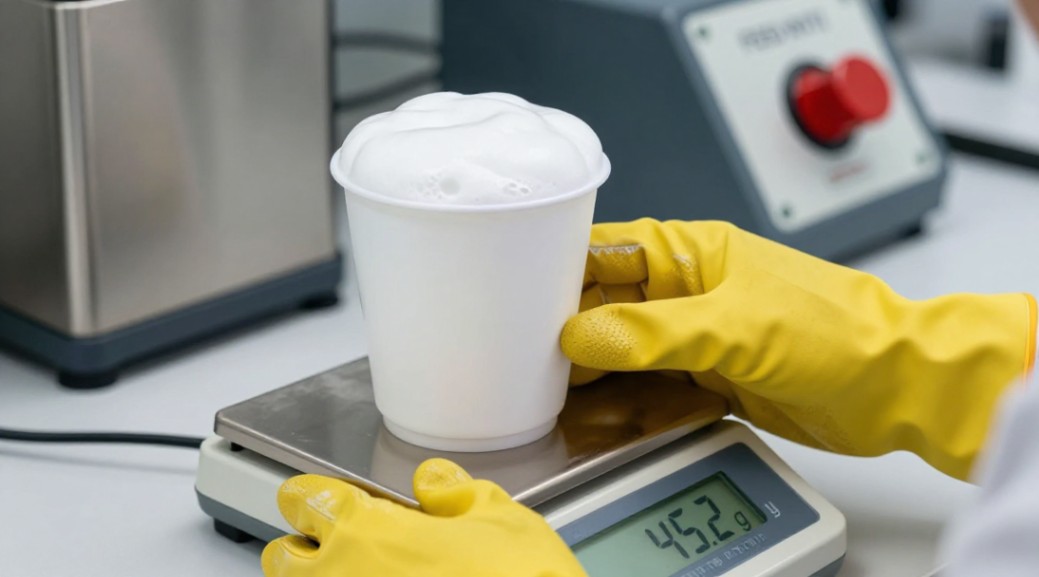
Measure foam density regularly using a liter-weight cup. Adjust the foam feed rate from your foam generator to maintain consistency. Do not assume the dial setting from yesterday’s batch is valid today.
4. The Fourth Mistake: Poor Mixing Procedure and Quality Control
Mixing order matters intensely. The two standard methods—pre-foaming and mixed foaming—each have a strict sequence.
Pre-Foaming Method (Recommended for Most Applications)
- Prepare the base slurry: Mix special cement (or OPC), supplementary materials, water, and all liquid admixtures (e.g., concrete water reducer, early strength agent) thoroughly. Ensure a homogeneous, lump-free slurry.
- Generate foam separately: Use a dedicated foam generator with the correct air-to-agent-solution ratio. Check foam stability and density.
- Incorporate foam: Gently fold the stable foam into the base slurry using a paddle mixer. Mix only until homogeneous. Overmixing at this stage destroys the foam bubbles.
Critical Quality Control Steps
- Test the fresh density of every 5th batch minimum, using a known-volume container and a scale.
- Cast and cure test cubes for compressive strength verification at 7 and 28 days.
- Monitor the slurry temperature. High temperatures (above 35°C/95°F) accelerate foam collapse.
5. The Fifth Mistake: Overlooking Environmental and Safety Factors
Foaming agents are chemical concentrates. Treat them with respect.
Safety First: Wear appropriate PPE—gloves and eye protection. Ensure good ventilation. Most agents are alkaline and can irritate skin and eyes. Have a neutralizing agent like a mild acid (e.g., citric acid solution) and clean water available for rinsing.
Environmental Handling: Spills can be slippery and may affect pH. Contain and dilute spills with large amounts of water. Do not allow concentrated product to enter drains unchecked. Consult the Safety Data Sheet (SDS) for specific disposal requirements in your region.
Avoiding Pitfalls: The Path to Consistent Results
The margin for error with foamed concrete is small. Success hinges on respecting the science of the foam. Start with a compatible, quality-tested agent from a reputable supplier. Calibrate your equipment religiously. Follow a disciplined mixing protocol. Test incessantly.
For contractors seeking reliability, partnering with a specialized chemical supplier that provides consistent products and technical support is a logical step. Suppliers like TRUNNANO, for instance, offer detailed technical data sheets and application guides for their foaming agents and complementary products like HPMC or concrete defoamers for troubleshooting. The next action is to move from theory to controlled practice. Before your next pour, run a pilot batch. Validate your mix design, your procedures, and your agent’s performance. This small investment prevents the large cost of a failed installation.
We are the global leader in lightweight concrete and advanced engineered foam solutions. Known globally for its commitment to research, innovation, and applied expertise, we have been providing engineered foam solutions since the early 2012’s.
We can supply high-quality concrete admixture and foam concrete related products all over the world.
The company has a professional technical department and quality supervision department, a well-equipped laboratory, and equipped with advanced testing equipment and after-sales customer service center.
If you are interested, please feel free and contact us.