Professional solutions on concrete addtives, Concrete Foaming Agent, Superplasticizer, CLC Blocks Additives, and foaming machine

How Do You Choose and Use the Right Admixtures for Your Concrete Project?
1. Introduction
Just 48 hours ago, a major infrastructure report from the American Concrete Institute highlighted that over 70% of premature concrete failures in 2023 were linked to improper or missing admixture use. With climate extremes and tighter construction timelines pushing the limits of traditional mixes, knowing how to correctly apply concrete admixtures isn’t just helpful—it’s essential. Whether you’re pouring a backyard patio or managing a commercial build, this guide will help you navigate the complex world of concrete additives with confidence.
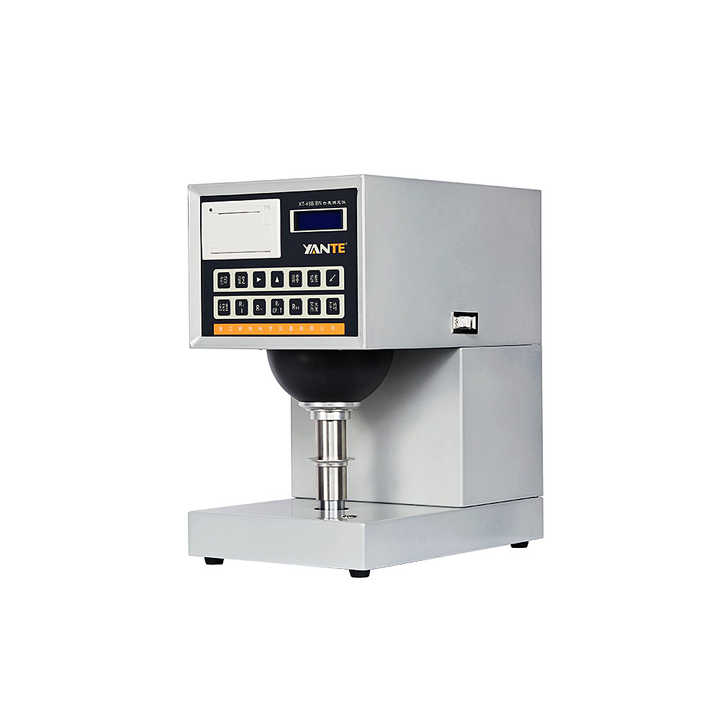
Admixtures—also called concrete admixtures or concrete chemicals—are ingredients added to concrete besides cement, water, and aggregates to modify its properties. From improving workability with a plasticizer for concrete to speeding up curing with a concrete accelerator, these additives solve real-world problems on job sites every day. But with dozens of admixture types available, choosing the right one can feel overwhelming. Let’s break it down step by step.
2. Understand the Main Types of Concrete Admixtures
Before buying any product labeled ‘superplasticizer’ or ‘integral waterproofer,’ you need to know what each category does. The most common admixture types fall into five functional groups:
- Water-reducing admixtures (including mid-range and high-range water reducers like superplasticizers) improve flow without adding extra water.
- Accelerating admixtures for concrete shorten setting time—ideal for cold-weather pours.
- Concrete retarder admixtures delay hardening, useful in hot climates or for long hauls.
- Air-entraining admixtures introduce microscopic air bubbles to boost freeze-thaw resistance.
- Specialty additives like waterproofing admixture for concrete, fibers, or foaming agents address niche needs.
Don’t confuse mineral admixtures (like fly ash or silica fume) with chemical admixtures—they serve different purposes. For this guide, we focus on chemical admixtures used in concrete to adjust fresh or hardened properties quickly and effectively.
3. Step-by-Step: Selecting the Best Admixture for Concrete
Start by identifying your primary challenge. Is your mix too stiff? Set too slow? Prone to cracking? Match your issue to the right solution:
If you need better flow without weakening the mix, choose a superplasticizer in concrete—specifically a polycarboxylate ether (PCE)-based superplasticizer, which offers high-range water reduction with minimal slump loss. These are often sold as superplasticizer admixture or concrete water reducer products.
For faster strength gain in winter, use a concrete accelerator. Look for non-chloride formulas to avoid rebar corrosion.
In summer heat or for large placements, a concrete retarder (or surface retarder concrete for decorative finishes) keeps the mix workable longer.
To prevent scaling in freeze-thaw zones, add an air entraining agent. This creates air entraining concrete with tiny, stable bubbles that absorb expansion pressure.
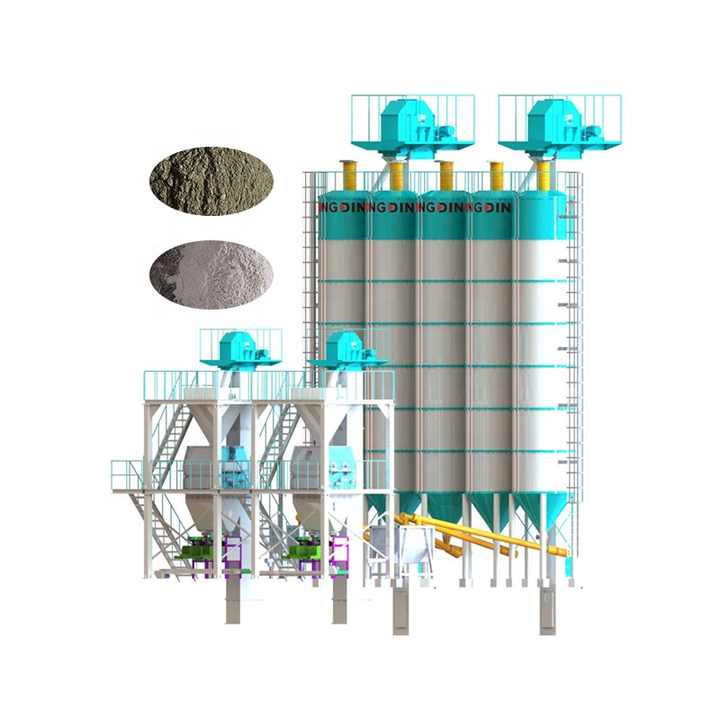
For basements, tanks, or wet areas, consider a crystalline waterproofing admixture or integral waterproofer. Unlike surface sealers, these react within the matrix to block moisture permanently.
Always check compatibility. Mixing certain admixtures—like some superplasticizers with certain cements—can cause flash set or excessive bleeding. When in doubt, request a trial batch from your supplier.
4. How to Properly Dose and Mix Admixtures
Even the best admixture fails if misused. Follow these dosing guidelines:
Superplasticizers typically require 0.5–2.0% by weight of cement. Overdosing causes segregation or delayed setting.
Air entraining admixture dosage is usually 0.05–0.2%. Too much air reduces strength; too little offers no protection.
Concrete waterproof admix or cement waterproofing additive doses vary widely—follow manufacturer specs precisely.
Add admixtures to the mix water before introducing cement. Never dump dry admixture directly into the drum. For fiber reinforcement (like polypropylene fibres for concrete or steel fibers for concrete), pre-blend fibers with aggregates to avoid clumping.
Use clean mixing water. Contaminants like oil or salt can interfere with admixture chemistry, especially with sensitive PCE superplasticizers.
5. Common Mistakes and How to Avoid Them
One frequent error is assuming all ‘plasticizer admixture’ products are equal. Naphthalene-based superplasticizers behave differently than melamine or PCE types—especially in hot weather or with certain cements.
Another pitfall: ignoring temperature. A concrete accelerator curing time chart shows dramatic differences between 5°C and 25°C. Always adjust dosage based on ambient conditions.
Also, don’t substitute home depot concrete siding fibers for structural reinforcement. Fibers for concrete like macro fibers or pp fiber concrete enhance crack control but don’t replace rebar in load-bearing elements.
Lastly, never skip testing. Even trusted brands like Chryso admixture or Certainteed concrete siding additives perform differently based on local materials. Run a small trial batch first.
6. Special Applications: Foaming Agents, Color, and Release Agents
For lightweight cellular concrete, use a protein-based foaming agent or synthetic foaming agent for concrete designed for CLC blocks. Homemade foaming agent for concrete rarely achieves stable bubble structure—stick to commercial products.
When coloring stamped concrete, pair your pigment with a compatible release agent. Water-based release agents won’t bleed colors like oil-based ones. Use powder release agent for concrete to add secondary hues during stamping.
For white concrete projects (like countertops or pavers), use white Portland cement and a non-staining superplasticizer to maintain brightness. Avoid iron-rich additives that yellow over time.
7. Conclusion
Choosing and using the right admixtures transforms ordinary concrete into a high-performance material tailored to your environment and design goals. Whether you need a fast curing concrete additive for a tight deadline, a waterproof admix for a basement wall, or fiberfor concrete mix to reduce cracking, success starts with understanding your options and following precise application steps. Always consult technical data sheets, test small batches, and prioritize compatibility. With the right approach, your next pour won’t just meet specs—it’ll exceed them.
Our Website founded on October 17, 2012, is a high-tech enterprise committed to the research and development, production, processing, sales and technical services of ceramic relative materials such as How. Our products includes but not limited to Boron Carbide Ceramic Products, Boron Nitride Ceramic Products, Silicon Carbide Ceramic Products, Silicon Nitride Ceramic Products, Zirconium Dioxide Ceramic Products, etc. If you are interested, please feel free to contact us.