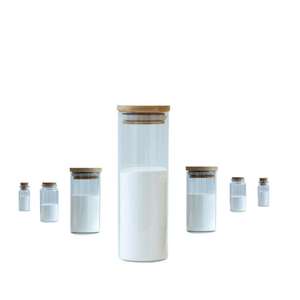
Professional solutions on concrete addtives, Concrete Foaming Agent, Superplasticizer, CLC Blocks Additives, and foaming machine

Unlock the Power of Admixtures: Boost Your Concrete’s Performance Today
1. Introduction
Just 24 hours ago, a major breakthrough in sustainable construction was announced: researchers at MIT unveiled a new generation of polycarboxylate ether (PCE)-based superplasticizers that reduce cement usage by up to 30% without compromising strength. This innovation highlights how concrete admixtures are no longer just performance enhancers—they’re pivotal tools in the global push for greener infrastructure. Whether you’re pouring a backyard patio or building a high-rise, understanding admixtures can dramatically improve your results.
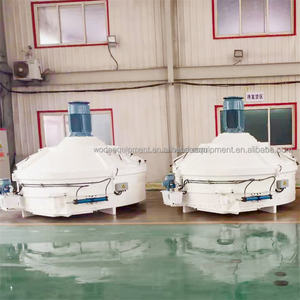
Admixtures—often called concrete additives—are chemical, mineral, or fibrous materials added to concrete before or during mixing to modify its properties. Far from being optional extras, they’ve become indispensable in modern construction, enabling everything from fast-curing sidewalks to ultra-durable marine structures. In this guide, we’ll walk you through the essential types of admixtures, their real-world uses, and how to choose the best admixture for concrete based on your project needs.
2. Understanding Admixture Types
Concrete admixture types fall into two broad categories: chemical and mineral. Chemical admixtures include liquid or powder additives like superplasticizers, accelerators, and air-entraining agents. Mineral admixtures—such as fly ash, silica fume, or ground granulated blast-furnace slag—are finely ground materials that react with cement to improve long-term strength and reduce permeability.
The choice of admixture depends on environmental conditions, structural requirements, and desired finish. For instance, a winter pour might demand accelerating admixtures for concrete to shorten curing time, while a coastal structure could benefit from crystalline waterproofing admixture to resist saltwater intrusion.
2.1 Water-Reducing Admixtures and Superplasticizers
Among the most widely used concrete chemicals are water reducing admixtures. These include mid-range and high-range water reducers, with superplasticizers representing the latter category. A superplasticizer in concrete—often based on polycarboxylate ether (PCE), naphthalene, or melamine sulfonate—can slash water content by 20–40% while maintaining flowability. This leads to higher strength, lower porosity, and improved durability.
Super plasticizers are especially valuable in producing self-consolidating concrete (SCC) or pumping concrete over long distances. The best superplasticizer for concrete today is typically PCE-based due to its superior slump retention and compatibility with modern cements. Brands like Chryso admixture offer tailored formulations for specific applications, from precast elements to tunnel linings.
2.2 Setting-Time Modifiers: Accelerators and Retarders
Concrete accelerator and concrete retarder admixtures give contractors precise control over curing timelines. Accelerating admixtures for concrete—often calcium chloride or non-chloride alternatives—speed up early strength gain, crucial for fast-track projects or cold-weather pours. They directly impact concrete accelerator curing time, allowing forms to be stripped sooner.
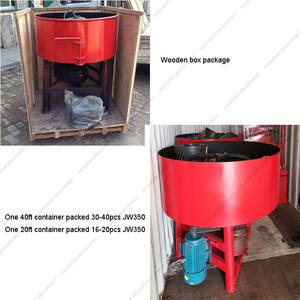
Conversely, a concrete retarder admixture delays setting, which is ideal for hot climates or complex placements where extended workability is needed. Surface retarder concrete products are even used decoratively to expose aggregate in stamped finishes.
2.3 Air Entraining and Waterproofing Solutions
Air entraining concrete contains microscopic air bubbles created by an air entraining admixture (or air entraining agent). These bubbles act as pressure relief valves during freeze-thaw cycles, preventing cracking—a must-have in northern climates. Look for terms like air entraining cement or air entraining when specifying durable exterior slabs.
For moisture resistance, integral waterproofer and concrete waterproofing additive options abound. Crystalline waterproofing admixture reacts with water and unhydrated cement to form insoluble crystals that block capillary pores. Alternatives include cement waterproofing additive blends and waterproof admix formulas that provide long-term protection without surface membranes.
2.4 Fiber Reinforcement and Specialty Additives
Fibers for concrete—ranging from polypropylene fibres for concrete to steel fibers for concrete—add tensile strength and crack control. Fiber reinforced concrete is now standard in industrial floors, shotcrete, and seismic zones. Macro fibers and microfibers serve different roles: macro fibers bridge cracks structurally, while microfibers reduce plastic shrinkage.
Popular choices include pp fiber concrete for residential slabs and carbon fiber reinforced concrete for high-performance applications. Even natural options like coconut fiber reinforced concrete are gaining traction in eco-friendly builds. Note that fiberfor concrete mix must be properly dispersed to avoid clumping—fibermesh concrete systems simplify this process.
Other niche additives include concrete foaming agent for lightweight cellular concrete (also called foamcrete), and colored concrete powders for decorative stamped work. Release agents—like water-based release agent or powder release agent for concrete—ensure clean demolding of patterns without staining.
2.5 Practical Selection Tips
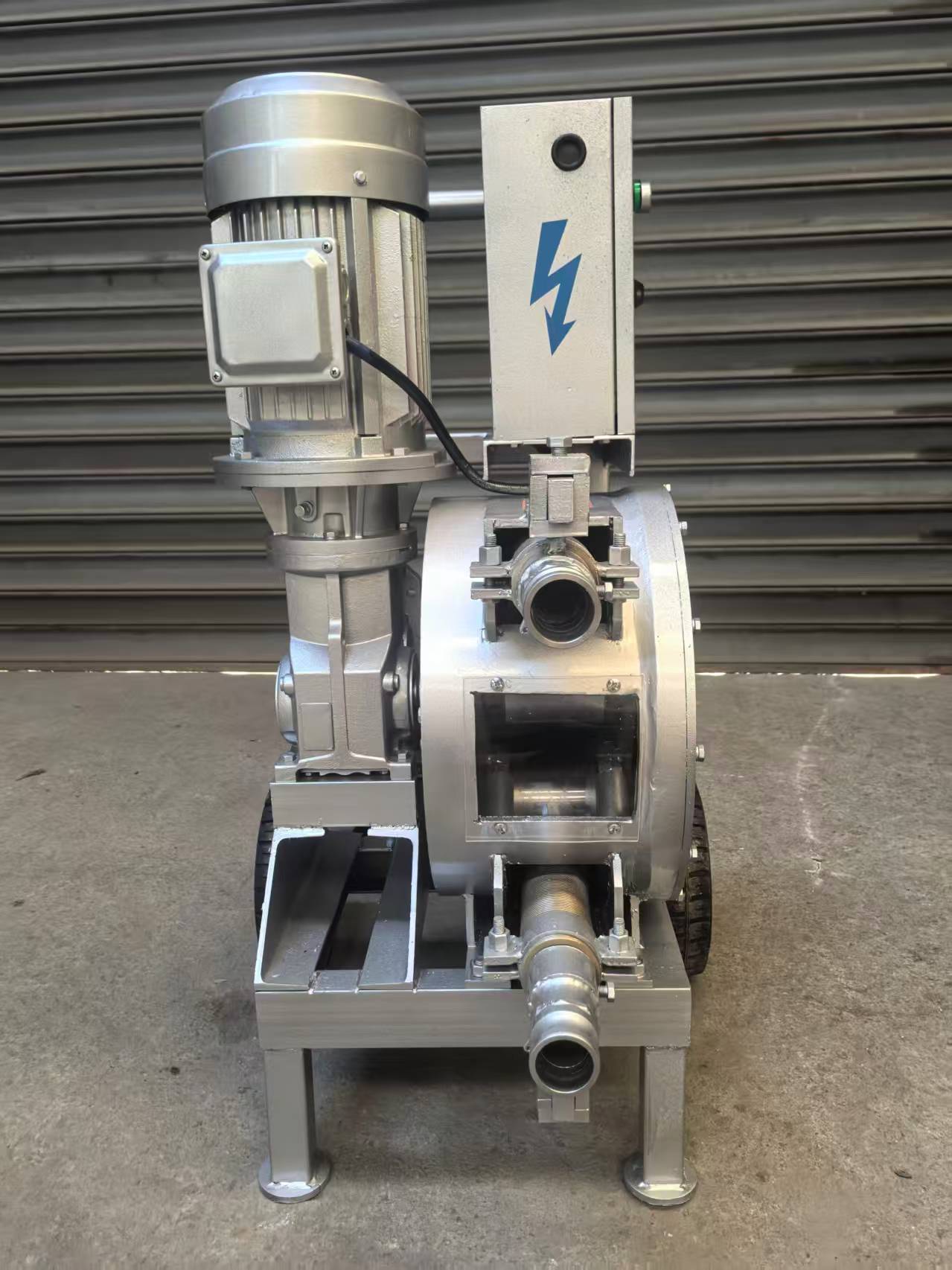
Choosing the best admixture for concrete starts with your project specs. Need fast curing concrete additives? Go for a non-chloride accelerator. Pouring in summer heat? A concrete admixture retarder will buy you time. For basements or water tanks, prioritize waterproofing admixture for concrete with proven crystalline technology.
Always verify compatibility between admixtures—some superplasticizer admixture formulas can interact poorly with certain air entrainers. And while home improvement stores like Home Depot carry basic concrete additives, specialized admixture chemical suppliers offer more robust solutions for critical applications.
3. Conclusion
From superplasticizer admixture innovations to advanced fiber reinforcement and smart waterproofing systems, admixtures have transformed concrete from a simple mixture into a high-tech composite material. Whether you’re a DIYer installing concrete siding that looks like wood or an engineer designing earthquake-resistant infrastructure, the right admixture used in concrete can make all the difference. Stay informed, test small batches first, and never underestimate the power of these unsung heroes of modern construction.
Our Website founded on October 17, 2012, is a high-tech enterprise committed to the research and development, production, processing, sales and technical services of ceramic relative materials such as Unlock. Our products includes but not limited to Boron Carbide Ceramic Products, Boron Nitride Ceramic Products, Silicon Carbide Ceramic Products, Silicon Nitride Ceramic Products, Zirconium Dioxide Ceramic Products, etc. If you are interested, please feel free to contact us.