Professional solutions on concrete addtives, Concrete Foaming Agent, Superplasticizer, CLC Blocks Additives, and foaming machine

Admixtures Are Revolutionizing Modern Concrete—Here’s How
1. Introduction
Just 48 hours ago, a major breakthrough in sustainable construction was announced: researchers at MIT unveiled a new generation of low-carbon concrete using advanced polycarboxylate ether (PCE) superplasticizers that reduce cement content by up to 30% without compromising strength. This innovation highlights how modern admixtures are not just performance enhancers—they’re key players in the global push for greener infrastructure.
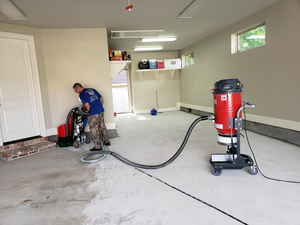
If you’ve ever wondered why today’s concrete sets faster, lasts longer, or even looks like wood, the answer often lies in admixtures. These carefully engineered additives—ranging from chemical compounds to natural fibers—are transforming how we build everything from sidewalks to skyscrapers.
2. What Are Admixtures?
Admixtures are materials added to concrete before or during mixing to modify its properties. Unlike aggregates or cement, admixtures aren’t primary structural components—but they dramatically influence workability, curing time, durability, and appearance. The term ‘ad mixtures’ is sometimes used informally, but industry professionals refer to them as concrete admixtures or concrete chemicals.
There are two broad categories: chemical admixtures and mineral admixtures. Chemical types include superplasticizers, accelerators, and air-entraining agents, while mineral varieties often involve fly ash, silica fume, or ground granulated blast-furnace slag.
3. Common Types of Concrete Admixture
Understanding admixture types is essential for selecting the best admixture for concrete in any given project. Here’s a breakdown of the most widely used categories:
- Water reducing admixtures (also called concrete water reducers) lower the water-cement ratio, boosting strength and durability. High-range versions are known as superplasticizers.
- Superplasticizer admixtures, particularly polycarboxylate ether (PCE)-based formulas, offer exceptional flow without segregation—ideal for self-consolidating concrete.
- Concrete accelerators shorten setting time and are crucial in cold-weather pours. They directly impact concrete accelerator curing time.
- Concrete retarders (or admixture retarders) delay hardening, useful in hot climates or for long-haul deliveries.
- Air entraining admixtures introduce microscopic air bubbles, improving freeze-thaw resistance. These are vital in regions with harsh winters and are often labeled as air entraining concrete additives or air entraining agents.
- Waterproofing admixtures—including integral waterproofers and crystalline waterproofing admixtures—block moisture penetration. Products like cement waterproofing additives or concrete waterproof admix are common in basements and tunnels.
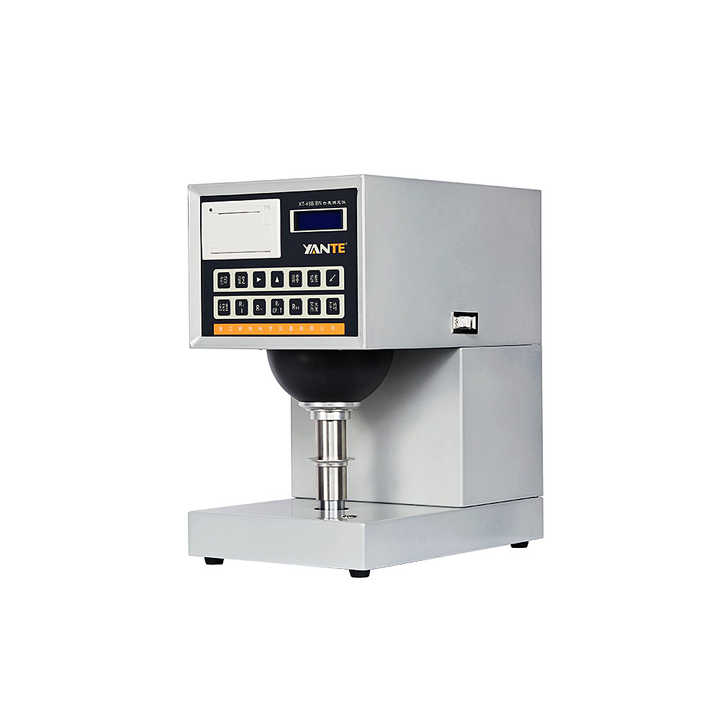
4. Superplasticizers: The Game-Changer
Among all concrete additives, superplasticizers stand out. Also called super plasticizers or plasticizers for concrete, these high-range water reducers enable ultra-high-strength mixes with minimal water. Polycarboxylate superplasticizers (PCE) have largely replaced older naphthalene- or melamine-based versions due to better slump retention and eco-friendliness.
Superplasticizer in concrete allows for complex architectural forms, thinner sections, and reduced permeability. Whether you’re sourcing from brands like Chryso admixture or local suppliers, PCE-based superplasticizer admixture is now the gold standard for high-performance applications.
5. Fiber Reinforcement and Specialty Additives
Beyond liquids and powders, solid additives like fibers significantly enhance toughness. Fiber reinforced concrete uses materials such as polypropylene fibres for concrete, steel fibers for concrete, or even coconut fiber reinforced concrete for sustainable builds.
Fibers for concrete serve multiple roles: controlling cracking, improving impact resistance, and replacing traditional rebar in some cases. Macro fibers and microfibers (like concrete microfiber or PP fiber concrete) are selected based on structural needs. You’ll find these in products like fibermesh concrete or fiber concrete mix sold by manufacturers including CertainTeed and Hardie for concrete siding applications.
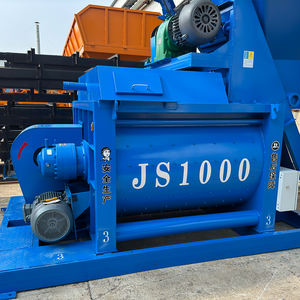
For exterior cladding, concrete fiber siding—often marketed as fibercement siding—offers the look of wood with far greater durability. Options like concrete siding that looks like wood are increasingly popular for modern homes, balancing aesthetics and resilience.
6. Foaming Agents and Aesthetic Enhancements
Foaming agents for foam concrete create lightweight cellular structures used in CLC (cellular lightweight concrete) blocks. Protein-based or synthetic foaming agents generate stable air bubbles, reducing density while maintaining insulation properties. Contractors often search for the best foaming agent for aircrete or CLC foaming agent price when planning eco-friendly builds.
On the visual side, colored concrete has exploded in popularity. Stamped concrete colors—from charcoal and terra cotta to white and blue—combined with release agents (like powder release agent for concrete or spray release agent), allow driveways and patios to mimic stone, brick, or wood grain. Proper use of concrete form release oil ensures clean pattern transfer without surface defects.
White cement is another aesthetic favorite, especially for countertops and decorative elements. Its bright finish pairs well with tinted concrete or stamped designs, and waterproof white cement variants add functional benefits.
7. Choosing the Right Admixture
Selecting an admixture depends on climate, structural demands, and desired finish. For fast-track projects, accelerating admixtures for concrete or fast curing concrete additives help meet tight deadlines. In humid environments, waterproofing admixture for concrete prevents long-term damage.
Always consult technical data sheets (sometimes called bio data sheets in error) and consider compatibility—especially when combining multiple concrete chemicals. Reputable suppliers provide guidance on dosage, mixing procedures, and safety.
8. Conclusion
From superplasticizer admixtures that enable carbon-neutral concrete to fiber reinforcement that mimics natural textures, admixtures are quietly reshaping construction. Whether you’re a contractor, architect, or DIYer shopping at Home Depot for concrete siding or release agents, understanding these additives empowers smarter, more sustainable building choices. As innovation continues—like MIT’s latest PCE breakthrough—the future of concrete is not just stronger, but smarter and greener too.
Our Website founded on October 17, 2012, is a high-tech enterprise committed to the research and development, production, processing, sales and technical services of ceramic relative materials such as Admixtures. Our products includes but not limited to Boron Carbide Ceramic Products, Boron Nitride Ceramic Products, Silicon Carbide Ceramic Products, Silicon Nitride Ceramic Products, Zirconium Dioxide Ceramic Products, etc. If you are interested, please feel free to contact us.