Professional solutions on concrete addtives, Concrete Foaming Agent, Superplasticizer, CLC Blocks Additives, and foaming machine

Admixtures Are Revolutionizing Modern Concrete—Here’s How
1. Introduction
Just 24 hours ago, a major breakthrough in sustainable construction was announced: researchers at ETH Zurich unveiled a new generation of bio-based superplasticizers that reduce cement use by up to 30% while maintaining strength. This innovation highlights the growing importance of admixtures in making concrete greener, stronger, and more versatile. Whether you’re a contractor, engineer, or DIY enthusiast, understanding admixtures is essential for modern building practices.
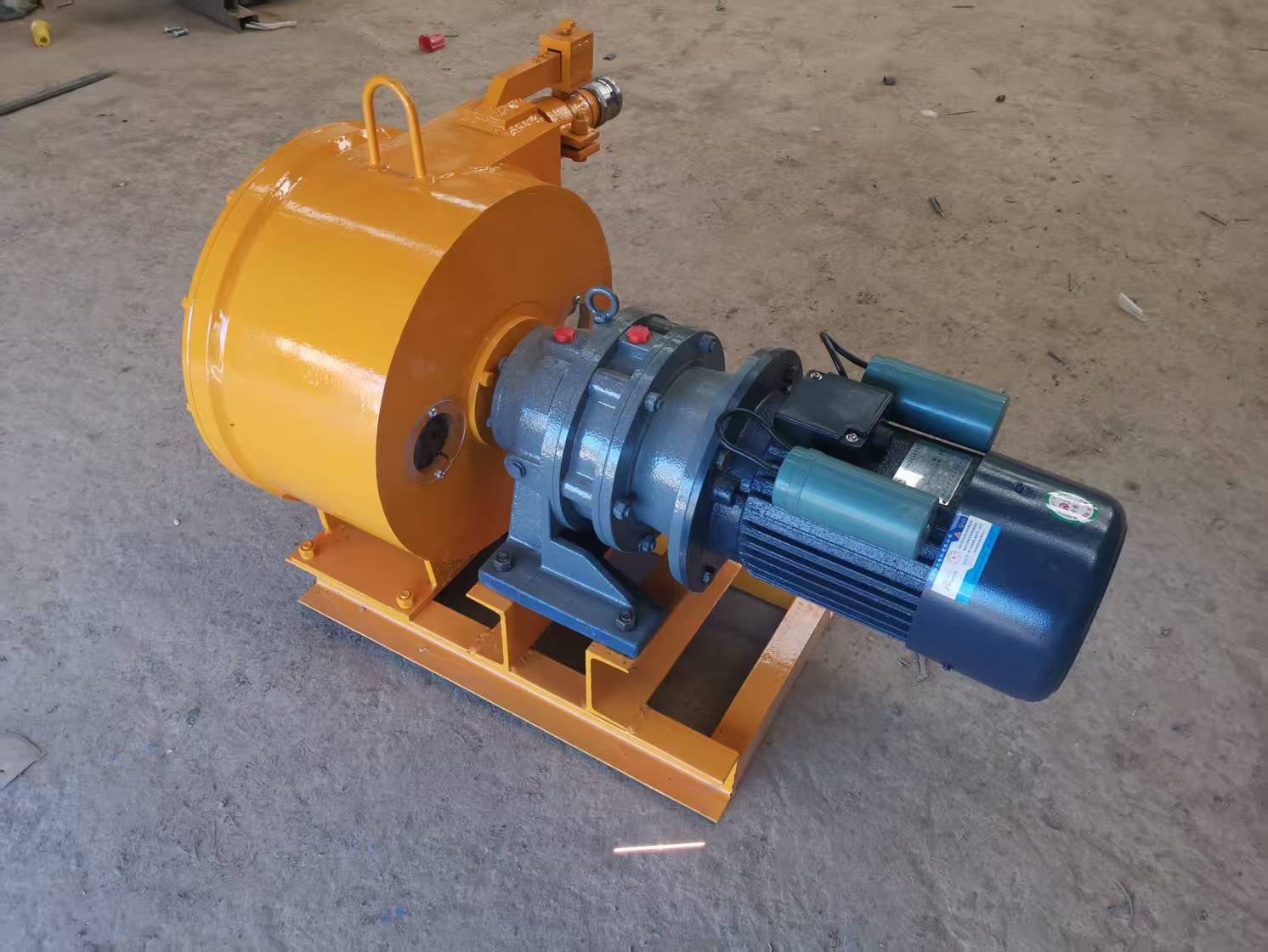
Concrete isn’t just cement, water, and aggregates anymore. Today’s high-performance mixes rely heavily on concrete additives—commonly called admixtures—to fine-tune properties like workability, setting time, durability, and appearance. These chemical or mineral ingredients, added in small quantities, can dramatically improve concrete performance without altering its basic composition.
2. What Are Admixtures?
Admixtures (sometimes spelled ‘ad mixtures’) are materials other than cement, water, and aggregates that are added to concrete before or during mixing to modify its properties. They fall into two broad categories: chemical admixtures and mineral admixtures.
- Chemical admixtures include liquids or powders like superplasticizers, accelerators, and air-entraining agents.
- Mineral admixtures, such as fly ash or silica fume, are finely ground materials that enhance long-term strength and durability.
The right admixture used in concrete can solve specific challenges—from speeding up curing in cold weather to preventing cracks in large slabs.
3. Major Types of Concrete Admixture
3.1 Water-Reducing Admixtures
Water reducing admixtures, also known as concrete water reducers, lower the water-cement ratio without sacrificing workability. This results in stronger, more durable concrete. Among these, superplasticizers (or super plasticizers) are the most powerful. A superplasticizer in concrete can reduce water content by 20–40%, enabling self-consolidating or high-strength mixes.
Polycarboxylate ether (PCE)-based superplasticizers are now the industry standard due to their efficiency and compatibility with modern cements. Brands like Chryso admixture offer advanced formulations that also act as concrete superplasticizer additives for specialized applications.
3.2 Set-Modifying Admixtures
Concrete retarder and concrete accelerator admixtures control the setting time of concrete. A concrete retarder admixture delays hydration—ideal for hot weather or long hauls—while accelerating admixtures for concrete shorten curing time, crucial for fast-track projects. Fast curing concrete additives often combine accelerators with early-strength enhancers to meet tight deadlines.
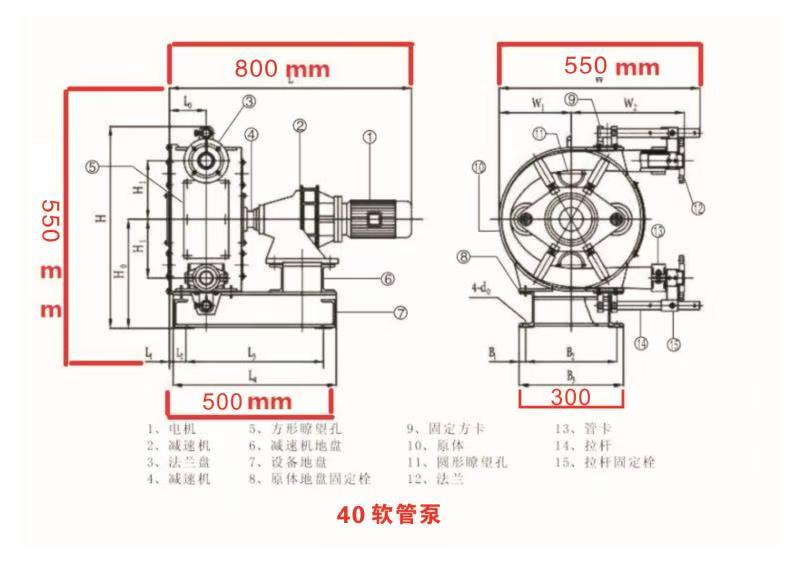
Surface retarder concrete products are used in decorative applications to expose aggregate by slowing surface set while the interior hardens.
3.3 Air-Entraining Admixtures
Air entraining concrete contains microscopic air bubbles created by an air entraining agent. These bubbles improve freeze-thaw resistance and increase workability. An air entraining admixture is especially vital in cold climates. You’ll often see terms like air entraining cement or air entraining concrete used interchangeably in technical specs.
3.4 Waterproofing Admixtures
Waterproofing admixture for concrete includes integral waterproofers and crystalline systems. An integral waterproofer reacts with cement to block capillary pores, while a crystalline waterproofing admixture forms insoluble crystals that seal micro-cracks over time. Both serve as effective cement waterproofing additives, eliminating the need for external membranes in many cases.
Products labeled concrete waterproof admix or admixture waterproofing are increasingly popular in basements, tunnels, and water tanks.
4. Specialty Admixtures and Additives
4.1 Fiber Reinforcement
Fibers for concrete—such as polypropylene fibres for concrete, steel fibers for concrete, or even coconut fiber reinforced concrete—add tensile strength and reduce cracking. Fiber reinforced concrete is now standard in industrial floors, shotcrete, and seismic zones.
Macro fibers and microfibers serve different roles: macro fibers provide structural reinforcement (e.g., steel fiber reinforced concrete), while concrete microfiber controls plastic shrinkage. Fibermesh concrete and pp fiber concrete are common commercial blends. Note that concrete fiber siding (also called fibercement siding or fiber concrete siding) uses similar technology but is a precast cladding product—not cast-in-place concrete.
4.2 Foaming Agents
For lightweight applications like CLC blocks or foamcrete, a concrete foaming agent introduces stable air cells. Protein-based foaming agents and synthetic variants are used in cellular concrete machines to produce aircrete. The best foaming agent for aircrete balances stability, bubble size, and cost—critical for insulation panels or void filling.
4.3 Color and Release Agents
Colored concrete relies on pigments and release agents. Stamped concrete colors range from charcoal to terra cotta, applied using powder release agents or spray release agents that prevent sticking while adding tint. Concrete form release agents—oil-based or water-based—ensure clean demolding without surface defects.
5. Choosing the Best Admixture for Concrete
Selecting the right admixture depends on your project’s needs. For high-flow applications, a polycarboxylate superplasticizer is ideal. In wet environments, a crystalline waterproofing admixture offers long-term protection. For crack control, polypropylene fibre or steel fiber reinforcement may be best.
Always consider compatibility—some superplasticizer admixtures interact poorly with certain cements. Consult technical data sheets and, if possible, run trial batches. Major suppliers like Sika, BASF, and GCP Applied Technologies provide detailed guidance on chemical admixture for concrete selection.
6. Conclusion
From superplasticizers that enable ultra-high-performance concrete to waterproofing admixtures that protect infrastructure for decades, admixtures are indispensable in modern construction. As sustainability drives innovation—like the new bio-superplasticizers from ETH Zurich—the role of concrete chemicals will only grow. Understanding admixture types and their functions empowers builders to create safer, longer-lasting, and more efficient structures.
Our Website founded on October 17, 2012, is a high-tech enterprise committed to the research and development, production, processing, sales and technical services of ceramic relative materials such as Admixtures. Our products includes but not limited to Boron Carbide Ceramic Products, Boron Nitride Ceramic Products, Silicon Carbide Ceramic Products, Silicon Nitride Ceramic Products, Zirconium Dioxide Ceramic Products, etc. If you are interested, please feel free to contact us.