Professional solutions on concrete addtives, Concrete Foaming Agent, Superplasticizer, CLC Blocks Additives, and foaming machine

Admixtures Are Essential for Modern Concrete Performance and Durability
1. Introduction
Concrete is one of the most widely used construction materials on the planet—but plain concrete often falls short in performance, workability, or durability. That’s where admixtures come in. Admixtures are ingredients added to concrete before or during mixing to modify its properties. From improving flow to speeding up curing or making concrete waterproof, these concrete additives play a vital role in modern building projects.
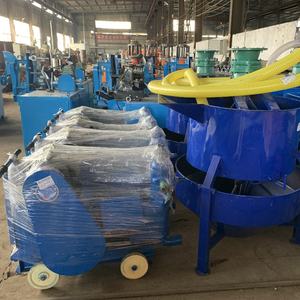
Whether you’re pouring a driveway, constructing a high-rise, or crafting decorative stamped concrete, choosing the right admixture can make all the difference. Let’s break down what admixtures are, the main types available, and how they’re used in real-world applications.
2. What Are Admixtures?
Admixtures—sometimes called ad mixtures—are chemical or mineral substances added to concrete, mortar, or grout to enhance specific characteristics. They’re typically used in small quantities (less than 5% by weight of cement) but deliver significant improvements.
The term ‘concrete admixture’ encompasses a wide range of products, including plasticizers, accelerators, retarders, waterproofing agents, fibers, and more. These concrete chemicals are carefully formulated to meet engineering requirements without compromising structural integrity.
3. Common Types of Concrete Admixtures
There are dozens of admixture types, but they generally fall into a few key categories based on function:
- Water reducing admixtures (including superplasticizers)
- Accelerating admixtures for concrete
- Concrete retarder admixtures
- Air entraining admixture
- Waterproofing admixture for concrete
- Fiber reinforcement (e.g., polypropylene fibres for concrete, steel fibers for concrete)
- Foaming agents for lightweight concrete
4. Superplasticizers: The Game-Changer in Workability
Superplasticizers—also known as high-range water reducers—are among the most impactful concrete additives. These super plasticizers dramatically increase slump (flowability) without adding extra water, which would weaken the final product.
Polycarboxylate ether (PCE)-based superplasticizers are now the industry standard due to their efficiency and compatibility with modern cements. You’ll often see them labeled as ‘superplasticizer in concrete’ or ‘polycarboxylate superplasticizer.’ They enable self-consolidating concrete, reduce permeability, and improve strength.
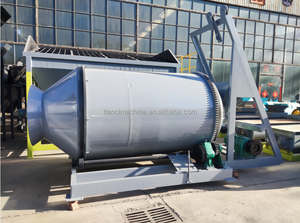
Other types include naphthalene-based and melamine-based superplasticizers, though PCE versions offer better performance and sustainability. When someone asks for the best admixture for concrete in terms of workability and strength, superplasticizer admixture is usually the answer.
5. Setting Time Control: Accelerators and Retarders
Need fast curing concrete additives? Concrete accelerator products shorten setting time and boost early strength—ideal for cold weather pours or rapid repairs. Calcium chloride is common, but non-chloride options are preferred for reinforced concrete to avoid corrosion.
On the flip side, a concrete retarder slows hydration, useful in hot climates or for complex placements. Surface retarder concrete is even used in exposed-aggregate finishes. Both admixture retarder and accelerating admixtures for concrete give contractors greater control over timing and finish quality.
6. Air Entraining and Freeze-Thaw Protection
Air entraining concrete contains microscopic air bubbles created by an air entraining agent. This admixture type improves resistance to freeze-thaw cycles—a must in colder regions.
The tiny voids act as pressure relief valves when water freezes and expands. Look for terms like air entraining cement or air entraining admixture when specifying durable outdoor slabs or pavements.
7. Waterproofing Admixtures for Long-Term Durability
Water is concrete’s biggest enemy over time. That’s why waterproofing admixture solutions are so popular. Options include integral waterproofer types that react within the mix, and crystalline waterproofing admixture that blocks capillaries by forming insoluble crystals.
These concrete waterproof admix products—sometimes called cement waterproofing additive or admixture waterproofing—eliminate the need for external membranes in many applications. They’re especially valuable in basements, tunnels, and water tanks.
8. Fiber Reinforcement: Beyond Steel Rebar
Fibers for concrete add tensile strength, reduce cracking, and improve impact resistance. Common types include polypropylene fibre, steel fiber reinforced concrete, and even coconut fiber reinforced concrete for sustainable builds.
Macro fibers and microfibers serve different purposes: macro fibers (like Fibermesh concrete) provide structural reinforcement, while microfibers control plastic shrinkage. Whether it’s carbon fiber reinforced concrete for high-performance structures or pp fiber concrete for residential slabs, fiberfor concrete mixes are now mainstream.
Note: While concrete fiber siding (like Hardie or CertainTeed products) uses fiber-cement composites, those are pre-manufactured panels—not field-mixed fiber reinforced concrete.
9. Foaming Agents and Lightweight Concrete
For insulation or reduced dead load, foaming agent for foam concrete creates cellular or CLC (cellular lightweight concrete). Protein-based or synthetic foaming agents generate stable air bubbles, yielding materials like aircrete.
The best foaming agent for aircrete depends on density and strength needs. CLC foaming agent price varies, but proper selection ensures uniform cell structure and durability.
10. Bonus: Color, Release Agents, and White Cement
While not traditional admixtures, colored concrete powders and concrete release agents are essential for decorative work. Powder release agents help stamp patterns without sticking, while tinted concrete offers aesthetic flexibility—from charcoal stamped concrete to terra cotta hues.
White cement is another specialty material, used for white concrete countertops, bright facades, or clean tile grouts. Though pricier than gray cement, its reflective quality and purity make it ideal for architectural finishes.
11. Conclusion
From superplasticizer admixture to crystalline waterproofing and fiber reinforcement, modern concrete simply wouldn’t perform as needed without admixtures. Understanding concrete admixture types—and selecting the right one for your project—ensures stronger, more durable, and more versatile results.
Whether you’re a contractor, engineer, or DIYer sourcing from Home Depot or a specialty supplier, knowing terms like concrete water reducer, air entraining, or integral waterproofer puts you ahead of the curve. With the right admixture used in concrete, even the simplest pour can achieve professional-grade performance.
Our Website founded on October 17, 2012, is a high-tech enterprise committed to the research and development, production, processing, sales and technical services of ceramic relative materials such as Admixtures. Our products includes but not limited to Boron Carbide Ceramic Products, Boron Nitride Ceramic Products, Silicon Carbide Ceramic Products, Silicon Nitride Ceramic Products, Zirconium Dioxide Ceramic Products, etc. If you are interested, please feel free to contact us.