Professional solutions on concrete addtives, Concrete Foaming Agent, Superplasticizer, CLC Blocks Additives, and foaming machine

10 Essential Things You Need to Know About Admixtures in Modern Concrete Construction
1. Introduction
Just 24 hours ago, global construction giant Chryso announced a breakthrough in eco-friendly superplasticizer technology that reduces cement usage by up to 30% while maintaining strength—marking a major leap toward sustainable concrete production. This news underscores how vital admixtures have become in modern building practices.
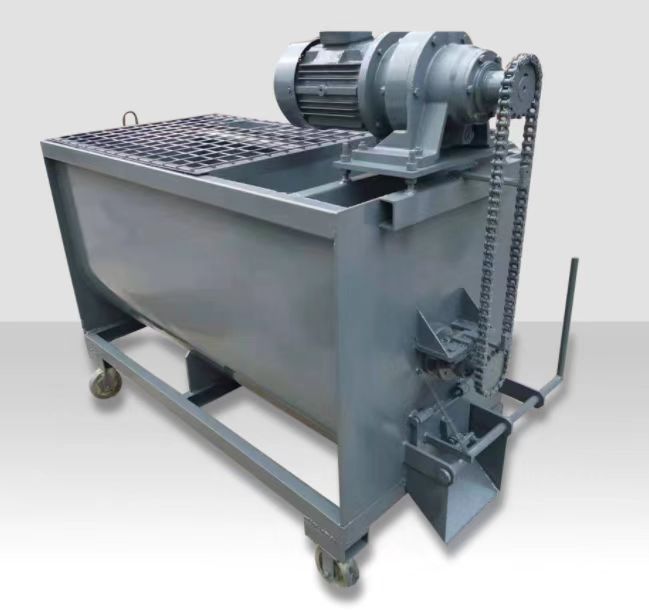
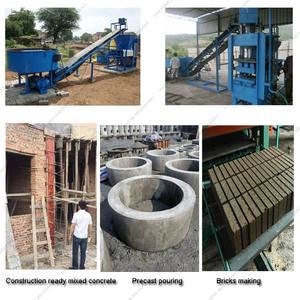
Admixtures are no longer optional extras—they’re essential tools that transform ordinary concrete into high-performance, durable, and versatile material. Whether you’re pouring a driveway, constructing a skyscraper, or designing decorative stamped concrete, the right admixture can make all the difference.
2. What Are Admixtures?
Admixtures—sometimes spelled ‘ad mixtures’—are chemical or mineral additives introduced into concrete before or during mixing to modify its properties. These concrete chemicals enhance workability, control setting time, increase strength, improve durability, or add special characteristics like water resistance or color.
From accelerating admixtures for fast curing concrete additives to integral waterproofer solutions, the range of available products is vast. The best admixture for concrete depends entirely on your project’s specific needs.
3. Common Types of Concrete Admixtures
Understanding concrete admixture types helps contractors and DIYers choose wisely. Here are the most widely used categories:
- Water reducing admixtures (including mid-range and high-range water reducers like polycarboxylate ether superplasticizers)
- Superplasticizer admixture (also called super plasticizers or concrete superplasticizer additive)
- Concrete accelerator and concrete retarder admixtures
- Air entraining admixture (or air entraining agent) for freeze-thaw resistance
- Waterproofing admixture (such as crystalline waterproofing admixture or cement waterproofing additive)
- Mineral admixture like fly ash or silica fume
- Fiber reinforcement (polypropylene fibres for concrete, steel fibers for concrete, etc.)
4. Superplasticizers: The Game-Changer in Concrete Workability
Superplasticizer in concrete is arguably the most impactful innovation in modern mix design. These high-range water reducers—often based on polycarboxylate ether (PCE)—allow for significantly lower water content without sacrificing flow.
Benefits include higher strength, reduced permeability, and improved finishability. PCE-based superplasticizers outperform older naphthalene or melamine sulfonate versions due to better slump retention and compatibility with diverse cements. When people ask for the best superplasticizer for concrete, PCE is usually the answer.
5. Controlling Time: Accelerators vs. Retarders
Need concrete to set fast? Use an accelerating admixtures for concrete to shorten curing time—ideal for cold weather or emergency repairs. On the flip side, a concrete retarder admixture delays hydration, useful in hot climates or for complex pours where extended workability is needed.
Surface retarder concrete is a specialty type used in exposed-aggregate finishes, allowing the top layer to be washed away after initial set to reveal decorative stones or pebbles.
6. Waterproofing and Durability Enhancers
Waterproof admix solutions like integral waterproofer or crystalline waterproofing admixture react within the concrete matrix to block moisture penetration permanently. Unlike surface coatings, these concrete waterproofing additives become part of the structure itself.
Admixture waterproofing is especially critical for basements, tunnels, and marine structures. Brands like Chryso offer advanced cement admixture systems that combine waterproofing with crack resistance.
7. Air Entraining for Freeze-Thaw Resistance
Air entraining concrete contains microscopic air bubbles created by air entraining admixture. These bubbles act as pressure relief valves when water freezes and expands, preventing surface scaling and internal cracking.
This technique is standard in northern climates. Look for terms like air entraining cement or air entraining agent when specifying mixes for outdoor slabs or pavements.
8. Fiber Reinforcement: Beyond Steel Rebar
Fibers for concrete—whether polypropylene fibre, steel fiber reinforced concrete, or even coconut fiber reinforced concrete—add tensile strength and reduce cracking. Fiber reinforced concrete is now common in industrial floors, shotcrete, and precast elements.
Macro fibers and microfibers serve different purposes: macro for structural reinforcement, micro for plastic-shrinkage control. Products like Fibermesh concrete simplify mixing, and home builders increasingly choose concrete fiber siding (e.g., Hardie or CertainTeed brands) for its wood-like appearance and low maintenance.
9. Specialty Additives: Color, Release, and Foam
Colored concrete relies on pigments and release agents. Stamped concrete colors—from charcoal to terra cotta—are achieved using colored concrete powder and mold release sprays that prevent sticking while adding accent hues.
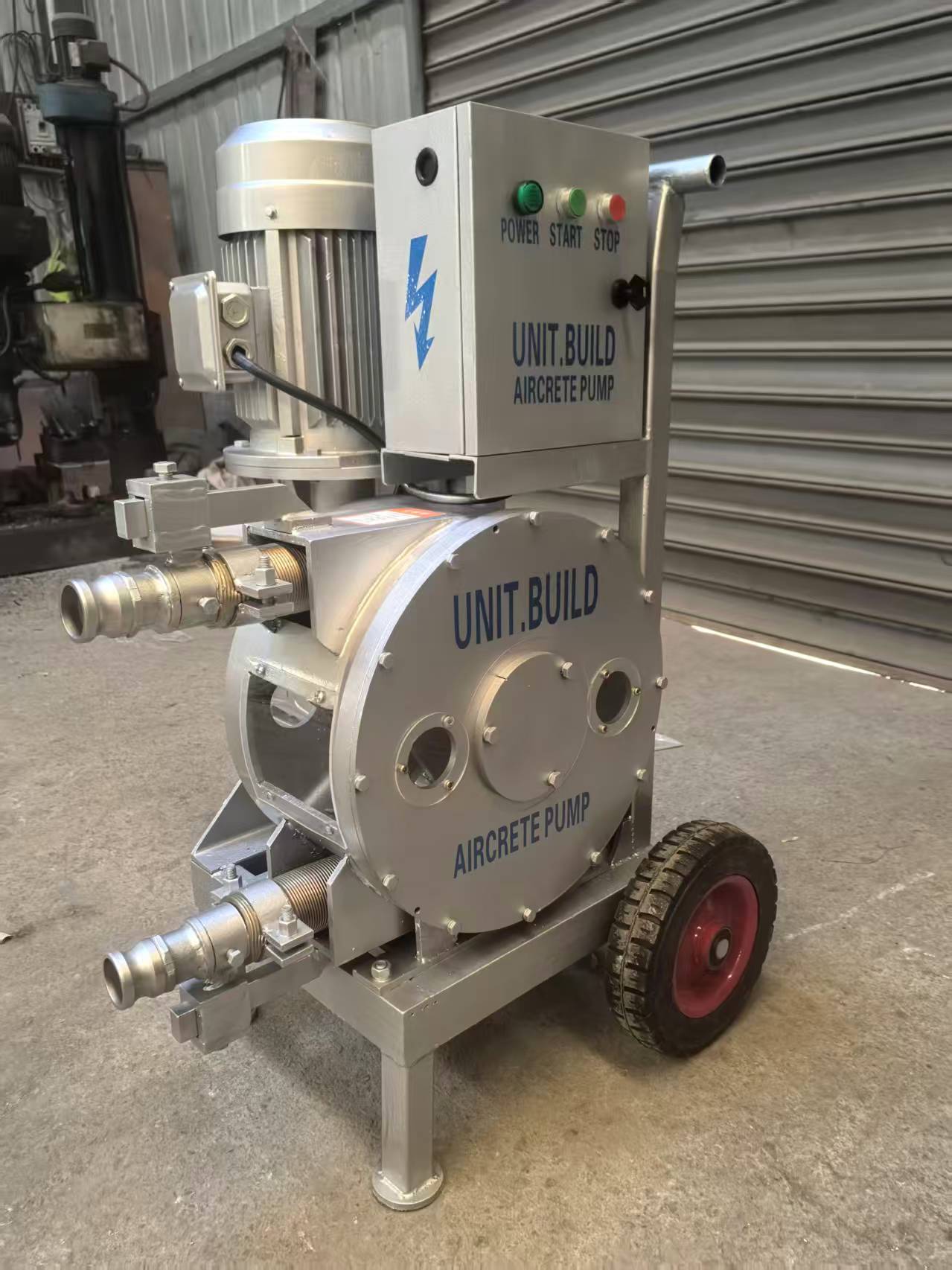
Meanwhile, concrete foaming agent enables lightweight cellular concrete (aircrete). Protein-based or synthetic foaming agents create stable foam for CLC blocks, insulation panels, and void filling. The best foaming agent for aircrete balances stability, cost, and environmental impact.
White cement is another niche but growing segment—used for white concrete countertops, architectural finishes, and decorative tiles—often paired with superplasticizer to maintain fluidity despite its finer grind.
10. Choosing the Right Admixture
With so many options—from additive for mortar to carbon fiber reinforcement in concrete—it’s crucial to match the admixture to your project goals. Always consult technical data sheets and consider compatibility with other materials.
Reputable suppliers offer bio data sheets detailing dosage, performance, and safety. For DIYers, products like superplasticizer Home Depot carries or concrete release agent sprays make professional results achievable at home.
Conclusion
Admixtures have revolutionized concrete from a basic building block into a smart, adaptable material. Whether you need faster curing, better waterproofing, enhanced aesthetics, or crack resistance, there’s a concrete admixture designed for the job. As innovations like Chryso’s new eco-superplasticizer show, the future of construction is being shaped—one admixture at a time.
Our Website founded on October 17, 2012, is a high-tech enterprise committed to the research and development, production, processing, sales and technical services of ceramic relative materials such as 10. Our products includes but not limited to Boron Carbide Ceramic Products, Boron Nitride Ceramic Products, Silicon Carbide Ceramic Products, Silicon Nitride Ceramic Products, Zirconium Dioxide Ceramic Products, etc. If you are interested, please feel free to contact us.