Professional solutions on concrete addtives, Concrete Foaming Agent, Superplasticizer, CLC Blocks Additives, and foaming machine

Admixtures Are Revolutionizing Modern Concrete—Here’s Everything You Need to Know
1. Introduction
Just 24 hours ago, a major infrastructure project in Texas announced it would use advanced polycarboxylate ether (PCE)-based superplasticizers to accelerate curing time while maintaining high-strength concrete—highlighting how modern admixtures are reshaping the construction industry. As sustainability, speed, and resilience become top priorities, understanding admixtures is no longer optional for builders, engineers, or DIY enthusiasts.
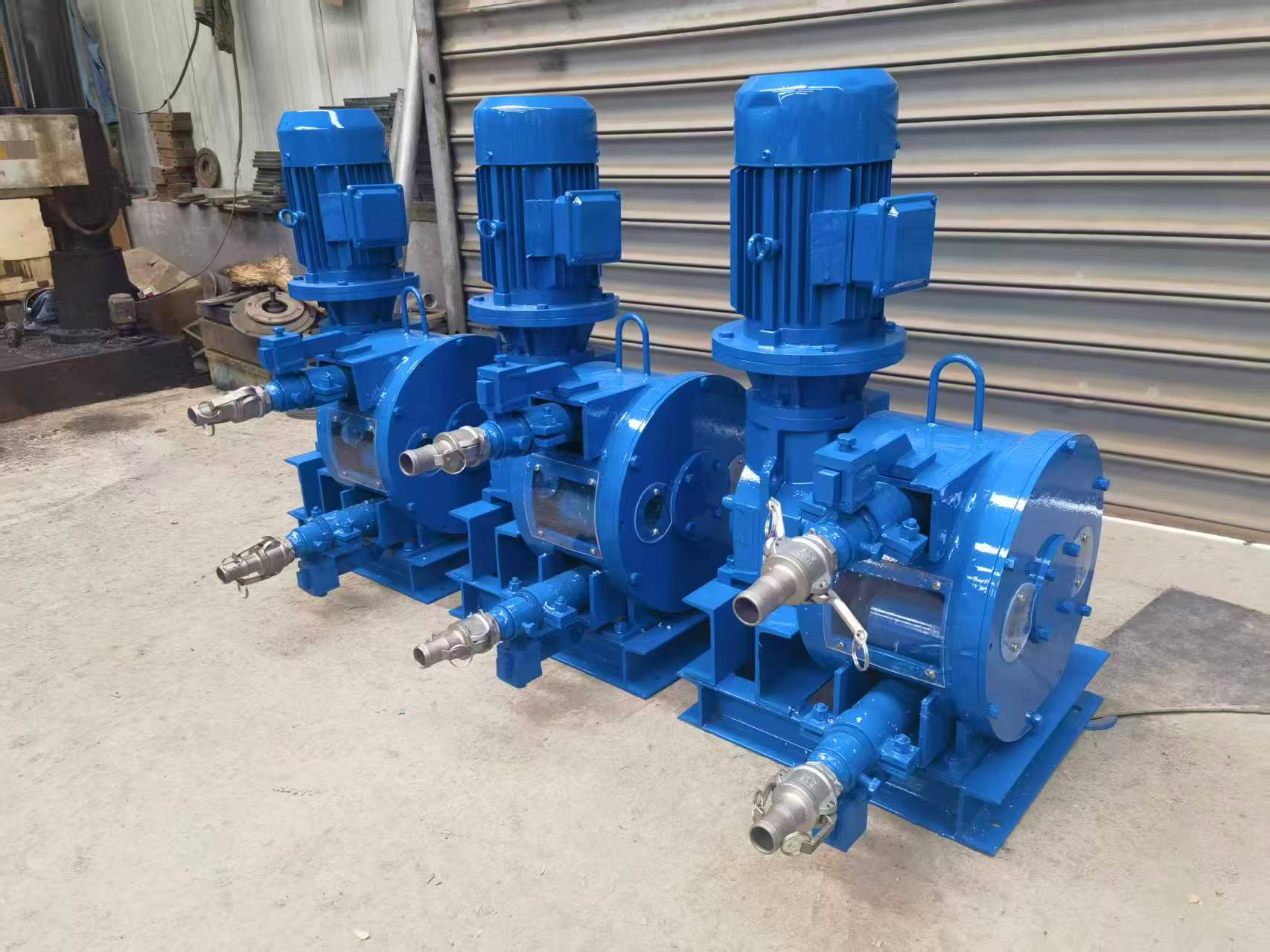
Concrete isn’t just cement, sand, and water anymore. Today’s mixes rely heavily on carefully engineered additives—known as admixtures—to achieve everything from faster setting times to stunning visual finishes. Whether you’re pouring a driveway, building a skyscraper, or installing fiber cement siding, the right admixture can make all the difference.
2. What Are Admixtures?
Admixtures are chemical or mineral ingredients added to concrete before or during mixing to modify its properties. These concrete additives can improve workability, control setting time, enhance durability, or add special features like waterproofing or color.
The term ‘ad mixtures’ (often written as one word: admixtures) covers a wide range of products—from simple plasticizers to complex crystalline waterproofing systems. They’re used in nearly every modern concrete application, making them essential tools in today’s construction toolkit.
3. Common Types of Concrete Admixture
There are dozens of admixture types, but they generally fall into a few core categories based on function:
- Water-reducing admixtures (like superplasticizers and mid-range water reducers)
- Set-controlling admixtures (accelerators and retarders)
- Air-entraining admixtures
- Waterproofing and integral waterproofer additives
- Fiber reinforcement (including polypropylene, steel, and even coconut fibers)
- Specialty additives like foaming agents and release agents
Each serves a unique purpose, and many are used together to fine-tune concrete performance.
4. Superplasticizers: The Game-Changer in Concrete Flow
Superplasticizers—also called high-range water reducers—are among the most widely used concrete chemicals today. These include polycarboxylate ether (PCE), naphthalene-based, and melamine sulfonate formulations.
A superplasticizer in concrete dramatically increases fluidity without adding extra water, which helps maintain strength and reduce cracking. This makes them ideal for complex pours, self-consolidating concrete, and precast elements.
When people search for ‘best admixture for concrete’ or ‘superplasticizer for sale,’ they’re often looking for PCE-based products—the current gold standard due to their efficiency and compatibility with modern cements.
5. Set Control: Accelerators and Retarders
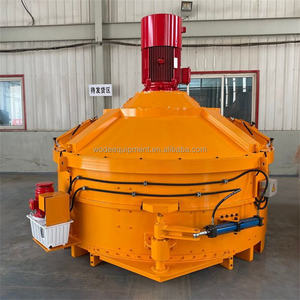
Need fast-curing concrete? Concrete accelerators shorten setting time and boost early strength—perfect for cold-weather pours or emergency repairs. Popular accelerating admixtures for concrete include calcium chloride or non-chloride alternatives for corrosion-sensitive structures.
On the flip side, a concrete retarder slows hydration, giving crews more time to place and finish large slabs in hot weather. Surface retarder concrete products are also used in decorative stamping to expose aggregate.
Both admixture retarder and accelerator types are crucial for timing-sensitive projects.
6. Air Entraining and Durability Boosters
Air entraining admixture introduces microscopic air bubbles into the mix, improving freeze-thaw resistance—especially vital in northern climates. This ‘air entraining concrete’ technique prevents internal cracking when water expands during freezing.
An air entraining agent is often required by code in regions with harsh winters. Don’t confuse it with foaming agents used in lightweight cellular concrete; those create larger, stable foam cells for insulation, not durability.
7. Waterproofing and Integral Protection
Waterproofing admixture options include integral waterproofer, crystalline waterproofing admixture, and cement waterproofing additive systems. Unlike surface sealers, these work from within the matrix to block moisture penetration.
Products like concrete waterproof admix or admixture waterproofing are increasingly specified for basements, tunnels, and water tanks. Crystalline types even self-seal hairline cracks over time.
8. Fiber Reinforcement: Beyond Steel Rebar
Fibers for concrete—such as polypropylene fibres, steel fibers, or even natural coconut fiber—add tensile strength and reduce cracking. Fiber reinforced concrete is now standard in industrial floors, shotcrete, and even residential siding.
Concrete fiber siding (also called fibercement siding or fiber concrete) mimics wood grain while offering fire and pest resistance. Brands like Hardie and CertainTeed dominate this market, with costs varying by style and region.
Whether it’s macro fibers for structural enhancement or microfibers for crack control, fiberfor concrete mixes is a growing trend in both commercial and home builds.
9. Specialty Additives: Color, Foam, and Release
Colored concrete relies on pigments and release agents. Stamped concrete colors—from charcoal to terra cotta—are applied using powder release agents or spray release during patterning. Concrete form release agents (oil- or water-based) prevent sticking without staining.
Meanwhile, concrete foaming agents create lightweight CLC (cellular lightweight concrete) blocks. Protein-based or synthetic foaming agents generate stable foam for insulation panels or fill applications. The best foaming agent for aircrete depends on density and strength needs.
White cement is another specialty product—used for white concrete countertops, bright mortar joints, or aesthetic facades. It’s pricier than gray Portland cement but offers unmatched brightness and reflectivity.
10. Choosing the Right Admixture
With so many options—from Chryso admixture lines to DIY-friendly Home Depot concrete additives—it’s key to match the admixture to your project’s environment, timeline, and performance goals.
Always consult technical data sheets and consider compatibility with your cement type. For example, some superplasticizers interact poorly with certain supplementary cementitious materials.
11. Conclusion
Admixtures have transformed concrete from a basic building block into a high-performance, customizable material. Whether you need a concrete water reducer for flow, an air entraining agent for winter durability, or fiber reinforcement for crack control, there’s an admixture designed for the job.
As innovations like PCE superplasticizers and crystalline waterproofing continue to evolve, the future of concrete is smarter, stronger, and more sustainable—all thanks to the power of admixtures.
Our Website founded on October 17, 2012, is a high-tech enterprise committed to the research and development, production, processing, sales and technical services of ceramic relative materials such as Admixtures. Our products includes but not limited to Boron Carbide Ceramic Products, Boron Nitride Ceramic Products, Silicon Carbide Ceramic Products, Silicon Nitride Ceramic Products, Zirconium Dioxide Ceramic Products, etc. If you are interested, please feel free to contact us.