Professional solutions on concrete addtives, Concrete Foaming Agent, Superplasticizer, CLC Blocks Additives, and foaming machine

What Are Admixtures and How Do They Transform Modern Concrete?
1. Introduction
Just 48 hours ago, a major infrastructure project in Texas announced it would use advanced polycarboxylate ether (PCE)-based superplasticizers to achieve high-strength, low-permeability concrete for a new flood-resilient bridge. This highlights how modern construction increasingly relies on specialized admixtures to meet performance, sustainability, and durability demands.
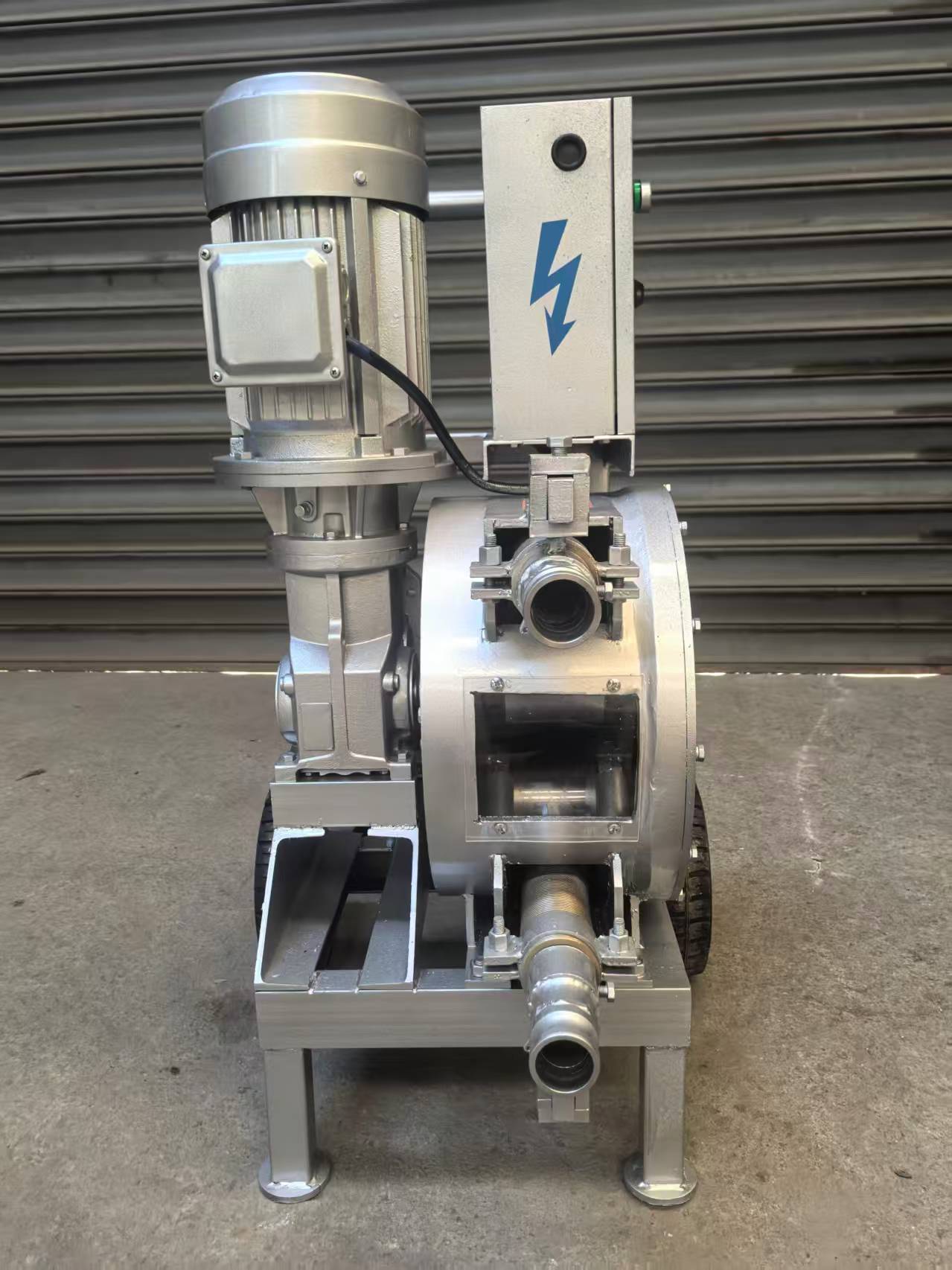
Admixtures—often called ‘concrete additives’—are materials added to concrete before or during mixing to modify its properties. Whether you’re pouring a driveway, building a skyscraper, or crafting decorative stamped concrete, the right admixture can make all the difference.
2. What Are Admixtures?
Admixtures are chemical or mineral ingredients blended into concrete mixes to enhance workability, strength, setting time, durability, or appearance. They’re essential tools for engineers and contractors aiming to solve specific challenges without compromising structural integrity.
The term ‘ad mixtures’ (sometimes misspelled) correctly refers to ‘admixture used in concrete‘—a broad category that includes everything from plasticizers to fibers. These concrete chemicals are dosed precisely, often at less than 5% of the cement weight, yet they deliver outsized benefits.
3. Common Types of Concrete Admixtures
Concrete admixture types fall into two main groups: chemical and mineral. Chemical admixtures include liquid or powder additives like superplasticizers and accelerators, while mineral admixtures (like fly ash or silica fume) are finely ground materials that improve long-term performance.
- Water reducing admixtures (also called concrete water reducers) cut water content while maintaining workability, boosting strength and durability.
- Superplasticizers—especially polycarboxylate ether (PCE) types—are high-range water reducers that enable self-consolidating concrete with minimal vibration.
- Concrete accelerators shorten curing time, ideal for cold-weather pours or fast-track projects.
- Concrete retarders delay setting, useful in hot climates or for complex placements.
- Air entraining admixtures introduce microscopic air bubbles, improving freeze-thaw resistance.
- Waterproofing admixtures (like crystalline or integral waterproofers) block moisture penetration.
- Fibers (polypropylene, steel, or even coconut fiber) add tensile strength and crack control.
4. Superplasticizers: The Game-Changer in Concrete Technology
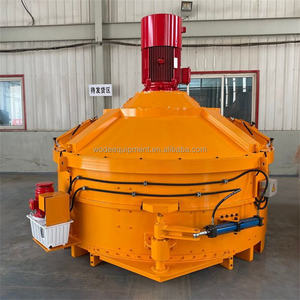
Superplasticizer in concrete is arguably the most impactful modern admixture. Also known as super plasticizers or high-range water reducers, these admixtures dramatically increase fluidity without adding water.
Polycarboxylate ether (PCE) superplasticizers are now preferred over older naphthalene or melamine-based versions due to their superior slump retention and compatibility with diverse cements. Brands like Chryso offer tailored superplasticizer admixture solutions for everything from precast panels to tunnel linings.
Using a superplasticizer allows for lower water-cement ratios, resulting in stronger, denser, and more durable concrete—critical for marine structures, bridges, and high-rises.
5. Specialized Admixtures for Durability and Aesthetics
Beyond strength and workability, admixtures address environmental and visual needs. For example, air entraining concrete contains an air entraining agent that creates tiny, stable air pockets—vital for roads and sidewalks in snowy regions.
Waterproof admix options include cement waterproofing additives and crystalline waterproofing admixtures that react with moisture to seal capillaries permanently. These are widely used in basements, tunnels, and water tanks.
For decorative finishes, colored concrete relies on pigments and release agents. Stamped concrete colors—from charcoal to terra cotta—are enhanced with powder release agents that prevent sticking while adding subtle color accents.
6. Fiber Reinforcement: From Micro to Macro
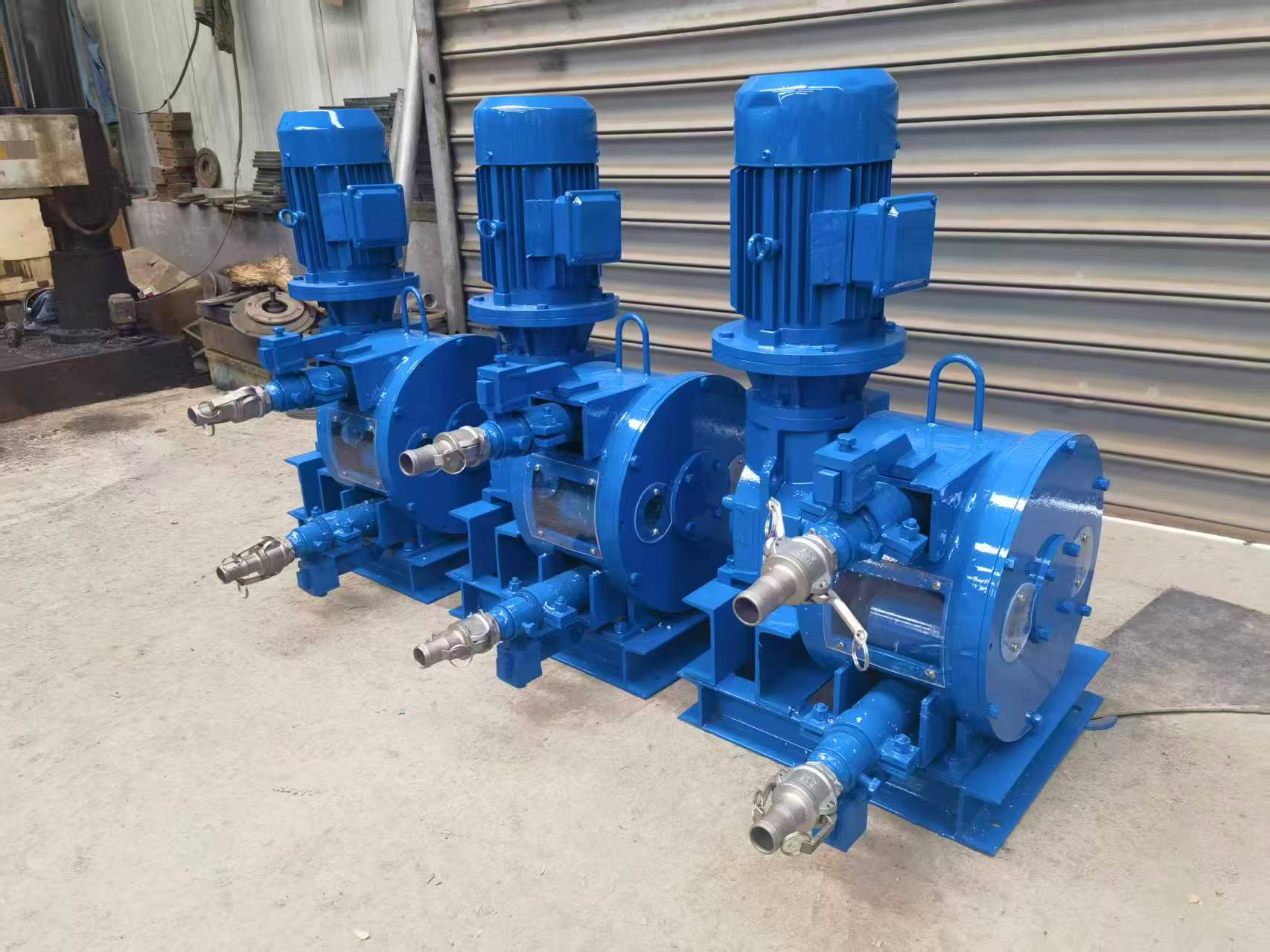
Fibers for concrete aren’t just filler—they’re functional reinforcement. Polypropylene fibres for concrete control plastic shrinkage cracks, while steel fibers for concrete boost impact resistance in industrial floors.
Modern homes increasingly use concrete fiber siding (also called fibercement siding or Hardie board) for its wood-like appearance, fire resistance, and low maintenance. Options like CertainTeed or James Hardie concrete siding mimic cedar or shiplap at a fraction of the upkeep cost.
Innovations include carbon fiber reinforced concrete for ultra-lightweight structural elements and coconut fiber reinforced concrete for sustainable builds in tropical regions.
7. Foaming Agents and Lightweight Solutions
Foaming agent for foam concrete enables cellular lightweight concrete (CLC), used in insulation blocks and void fills. Protein-based or synthetic CLC foaming agents create stable air cells, reducing density without sacrificing stability.
Contractors use foamcrete machines with precise dosing systems to produce consistent aircrete—ideal for green roofs, partition walls, and geotechnical fills.
8. Choosing the Best Admixture for Concrete
Selecting the best admixture for concrete depends on your project’s climate, timeline, exposure conditions, and design goals. A concrete accelerator curing time might be critical in winter, while a surface retarder concrete could help expose aggregates in decorative toppings.
Always consult technical data sheets and consider compatibility—especially when combining multiple admixtures like a superplasticizer with a waterproofing admixture for concrete.
9. Conclusion
From superplasticizers that revolutionize mix design to fibers that replace traditional rebar in some applications, admixtures are indispensable in modern construction. Whether you’re a DIYer buying concrete additives at Home Depot or a civil engineer specifying PCE-based systems, understanding admixture types ensures smarter, stronger, and more sustainable builds.
Our Website founded on October 17, 2012, is a high-tech enterprise committed to the research and development, production, processing, sales and technical services of ceramic relative materials such as What. Our products includes but not limited to Boron Carbide Ceramic Products, Boron Nitride Ceramic Products, Silicon Carbide Ceramic Products, Silicon Nitride Ceramic Products, Zirconium Dioxide Ceramic Products, etc. If you are interested, please feel free to contact us.