Professional solutions on concrete addtives, Concrete Foaming Agent, Superplasticizer, CLC Blocks Additives, and foaming machine

The Soap vs. Solvent Debate: A Contractor’s Guide to Clean, Safe Concrete Form Releases
The Lessons Learned in the Field
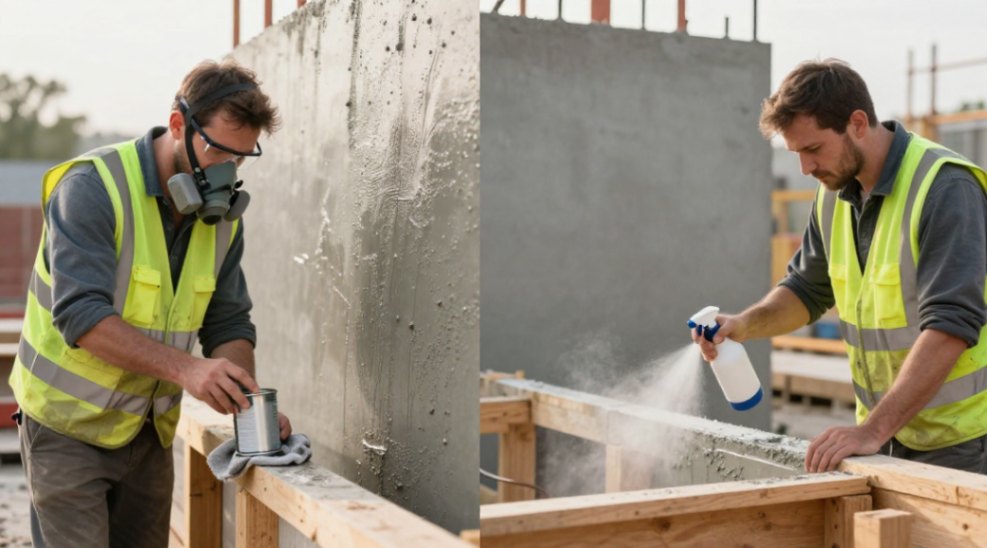
I recall a project fifteen years ago. We were finishing a complex architectural concrete facade using solvent-based release agents. The crew wore respirators; the air stung. Despite precautions, two finishers complained of headaches. Worse, the concrete came out with a slight but visible oily film, forcing an expensive abrasive blast before painting. A decade later, a similar project using a high-quality soap based concrete form release spray was a different world. The crew sprayed without protective gear. The panels stripped perfectly, revealing a uniform, clean surface ready for final sealing. The contrast was stark. That experience cemented my advocacy for informed material selection. This guide distills those lessons into actionable comparisons.
Soap Based Concrete Form Release Spray: Your Questions, Answered
What exactly is a soap based concrete form release spray?
A soap based concrete form release spray is a reactive water-based emulsion. Its primary ingredients are fatty acids (like vegetable oils) saponified to create a stable soap solution. When applied, it forms a microscopic, self-cleaning barrier on the form face. This barrier prevents the cement paste’s hydrating particles from bonding to the form material.
What are the core advantages over petroleum-based or chemical agents?
- Superior Surface Finish: Soap formulas promote a clean release with minimal residue, preventing ‘burnishing’ or oily film transfer that can interfere with coatings or stains.
- Worker and Environmental Safety: They are typically non-flammable, have low to zero volatile organic compounds (VOCs), and are often biodegradable. Respiratory protection is rarely required.
- Formwork Longevity: The water-based, non-aggressive chemistry does not degrade wooden or composite forms and will not corrode steel forms like some chloride-based chemicals can.
- Predictable Performance: Less susceptible to temperature-related viscosity changes compared to heavy petroleum products.
When might a petroleum-based agent still be necessary?
Petroleum solvents dominate in extreme cold-weather concreting where water in a soap spray could freeze on the form. They also serve where a deliberate, heavy residual film is needed for extended curing periods or extreme abrasion resistance. However, for 85% of general applications, a modern soap agent delivers equal or better performance without the hazards.
How should I prepare forms before applying the soap spray?
- Clean Thoroughly: Remove all cured concrete, grout, and old release agent residue. Use a plastic scraper or stiff-bristle brush.
- Degrease if Needed: For steel forms contaminated with oils, use a biodegradable citrus-based degreaser. Rinse completely with clean water.
- Ensure Dryness: Allow forms to air-dry completely. Applying a water-based spray to a wet surface dilutes the formula and compromises its film integrity.
- Inspect Seams: Cheque for gaps or damage that could allow paste leakage, which no release agent can prevent.
What is the correct step-by-step application process?
Proper technique is critical for a flawless release.
| Step | Action | Key Detail |
|---|---|---|
| 1. Agitation | Shake or mechanically stir the container vigorously for 60 seconds. | Ensures the emulsion is fully homogeneous. |
| 2. Equipment | Use a low-pressure, high-volume (HVLP) sprayer or an airless sprayer with a fine fan tip. | Avoids puddling and ensures a thin, even mist. |
| 3. Distance | Hold the spray nozzle 12 to 18 inches from the form face. | This is the optimal range for proper atomization. |
| 4. Application | Apply a single, thin, even coat. The surface should appear lightly frosted, not wet or glossy. | A thick coat increases drying time and can cause surface bubbles in the concrete. |
| 5. Drying | Allow the applied film to dry to a clear, barely tacky finish before placing concrete. This typically takes 5-15 minutes depending on ambient temperature and humidity. | Never place concrete on a wet or runny release agent film. |
What are the drying and curing considerations?
The soap film must be fully dry before concrete placement. In humid conditions, extend the wait time. The film reacts with the free lime in the fresh concrete, creating a self-cleaning soap curd at the interface. This process facilitates a clean strip. Stripping times remain consistent with other release agents; follow standard concrete maturity guidelines.
How do I prevent common surface defects?
- Surface Bubbles (Bug Holes): Caused by applying too thick a coat. Always use a thin, misted application. Ensure proper concrete consolidation.
- Residue or Streaking: Results from improper mixing (separation) or contamination of the form surface. Clean forms meticulously and shake the product well.
- Sticking or Tearing: Usually indicates an under-applied film or placing concrete on a wet film. Reapply to missed areas and ensure proper drying.
Is it compatible with all concrete mixes and form materials?
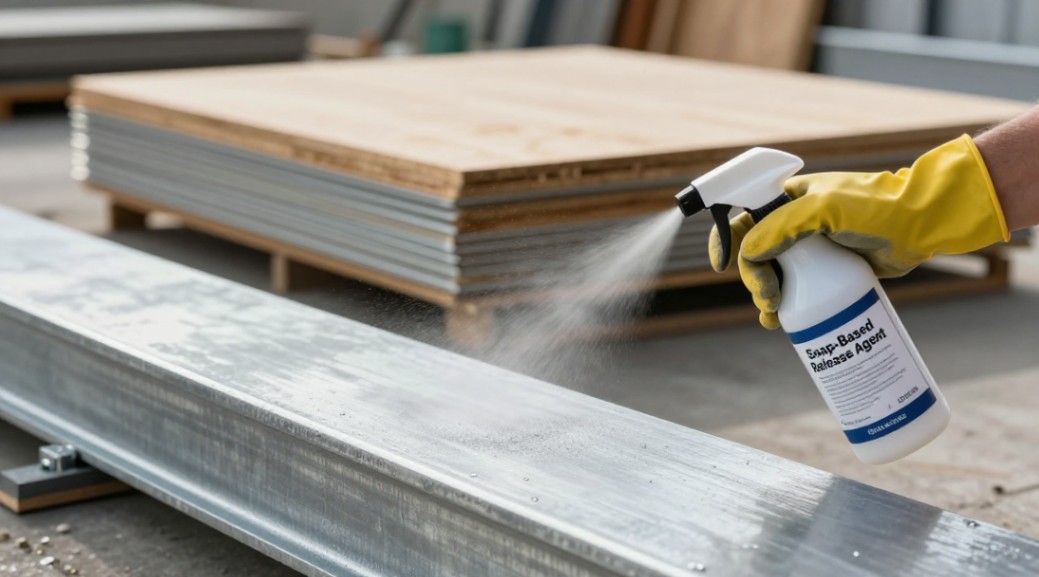
High-quality soap based concrete form release spray is compatible with standard Portland cement mixes, fly ash, and slag blends. It performs excellently on steel, aluminium, fiberglass, and high-density overlay (HDO) plywood. Test compatibility with exotic form liners (like rubber or certain plastics) on a small sample first. For self-consolidating concrete (SCC), ensure the agent is specifically rated for low-viscosity mixes to prevent surface voids.
How do I clean and maintain forms after use?
Post-stripping, remove any residual soap curd with a stiff brush and water. For periodic deep cleaning, a mild detergent solution works well. The non-aggressive nature of soap agents means forms, especially wood and composites, require less frequent and less harsh cleaning, extending their service life significantly.
What about long-term cost-effectiveness?
While the per-gallon price of a premium soap agent may be higher than a basic diesel-based oil, the total cost analysis favors soap. Factors include: reduced PPE costs, elimination of hazardous waste disposal fees, extended formwork life, and the virtual elimination of costly surface remediation due to residue. It is an operational efficiency upgrade.
What should I look for in a recommended product?
Seek products with clear technical data sheets. Key indicators of quality: a high concentration of active saponified oils (not just water and surfactants), a neutral pH, NSF or other environmental certifications, and explicit compatibility statements for your form materials. The best products offer consistent performance across a wide temperature range.
The Final Verdict and Your Next Step
The data and decades of field evidence are conclusive. For the vast majority of concrete forming applications, a professional-grade soap based concrete form release spray provides a safer, cleaner, and more cost-effective solution than legacy petroleum solvents. The reduction in liability, improvement in finish quality, and benefit to crew welfare are not marginal; they are transformative.
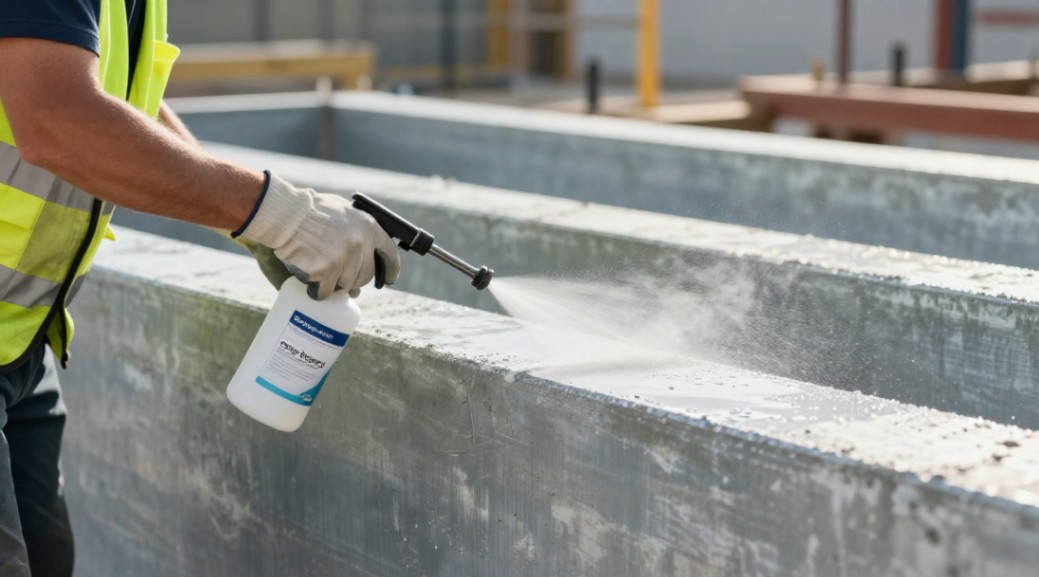
Do not experiment with generic or diluted substitutes. Your project’s surface quality depends on this critical interface material. I recommend sourcing a concentrated, commercial-grade soap release agent from a established supplier. Request a sample gallon from your local concrete chemicals distributor today. Test it on a mock-up or a non-critical section of your next pour. Compare the strip, inspect the surface, and note the working conditions. The results will speak for themselves.
We are the global leader in lightweight concrete and advanced engineered foam solutions. Known globally for its commitment to research, innovation, and applied expertise, we have been providing engineered foam solutions since the early 2012’s.
We can supply high-quality concrete admixture and foam concrete related products all over the world.
The company has a professional technical department and quality supervision department, a well-equipped laboratory, and equipped with advanced testing equipment and after-sales customer service center.
If you are interested, please feel free and contact us.