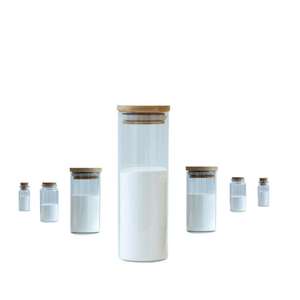
Professional solutions on concrete addtives, Concrete Foaming Agent, Superplasticizer, CLC Blocks Additives, and foaming machine

How to Choose and Use the Best Concrete Admixtures for Your Project
1. Introduction
Just 24 hours ago, a major infrastructure project in Texas made headlines after engineers credited advanced polycarboxylate ether (PCE) superplasticizers with enabling ultra-high-strength concrete pours under extreme heat—reducing water content by 30% while maintaining flowability. This real-world success underscores how critical the right admixtures are in modern construction. Whether you’re a DIYer resurfacing a patio or a contractor managing large-scale builds, understanding concrete admixtures can save time, cut costs, and dramatically improve performance.
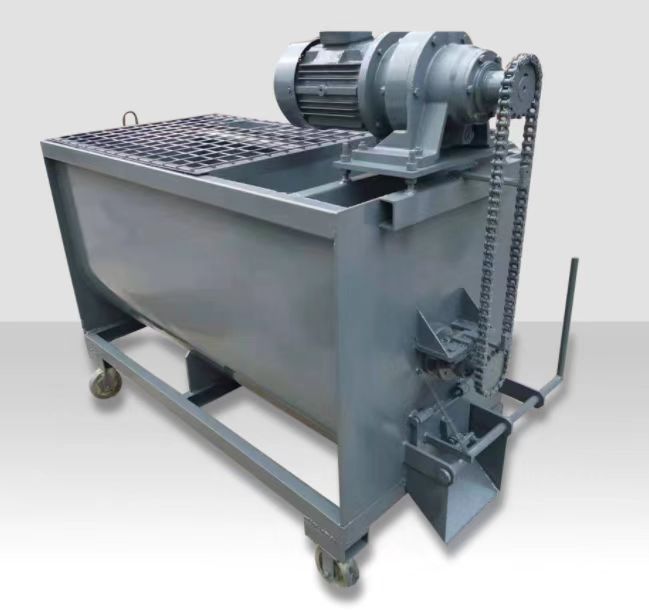
Concrete admixtures—also called concrete additives or ad mixtures—are chemical or mineral ingredients added to concrete mixes to modify their properties. From improving workability with a plasticizer for concrete to speeding up setting with a concrete accelerator, these concrete chemicals solve everyday challenges on job sites worldwide.
2. Understand Common Admixture Types
Before choosing an admixture, know what’s available. The main categories include:
- Water reducing admixtures (like superplasticizers and mid-range water reducers)
- Accelerating admixtures for concrete (to shorten curing time)
- Concrete retarder admixtures (to delay setting in hot weather)
- Air entraining admixture (adds microscopic air bubbles for freeze-thaw resistance)
- Waterproofing admixture (including integral waterproofer and crystalline waterproofing admixture)
- Fiber reinforcement (polypropylene fibres for concrete, steel fibers, etc.)
Each serves a distinct purpose. For example, a superplasticizer in concrete boosts fluidity without extra water, while an air entraining agent enhances durability in cold climates.
3. Step-by-Step: Selecting the Right Admixture
Start by identifying your primary need. Is your mix too stiff? Consider a superplasticizer admixture like PCE-based products—the best admixture for concrete when high flow is needed. Are you pouring in winter? Use accelerating admixtures for concrete to ensure proper concrete accelerator curing time.
For waterproofing, choose between cement waterproofing additive (surface-applied) or integral options like concrete waterproof admix. Crystalline waterproofing admixture reacts with moisture to self-seal micro-cracks—ideal for basements or water tanks.
If cracking is a concern, add reinforcement fiber for concrete. Polypropylene fibre or macro fibers improve tensile strength and reduce plastic shrinkage. Steel fiber reinforced concrete offers even greater impact resistance for industrial floors.
4. How to Properly Mix and Apply Admixtures
Always follow manufacturer dosage guidelines. Overdosing a superplasticizer can cause segregation; too much concrete retarder may prevent setting altogether.
Add admixtures to the mix water before introducing cement. For dry powder additives (like some mineral admixtures), blend thoroughly with aggregates first. Liquid admixtures—such as Chryso admixture or other branded concrete chemicals—are typically dosed via automated systems or measured manually for small batches.
When using a surface retarder concrete product for exposed aggregate finishes, apply evenly and cover to prevent premature drying. Similarly, release agents (like water-based release agent or powder release agent) must be applied to forms before pouring to avoid sticking.
5. Troubleshooting Common Problems
Problem: Concrete is setting too fast in summer heat. Solution: Use a concrete retarder admixture or admixture retarder to extend workability window.
Problem: Finished slab shows scaling after winter. Likely cause: Lack of air entraining. Fix: Specify air entraining concrete with 4–6% entrained air for freeze-thaw zones.
Problem: Cracks appearing during curing. Try adding polypropylene fibres for concrete or switching to fiber reinforced concrete mix.
Problem: Water seepage through walls. Install a waterproofing admixture for concrete—preferably a crystalline type that provides long-term protection from within.
Also, never substitute household items for professional-grade admixture chemical. Homemade foaming agent for concrete or DIY concrete release agent often fails under real conditions.
6. Pro Tips for Best Results
- Store liquid admixtures above freezing; some lose effectiveness if frozen.
- Test new admixtures on small batches first—especially when combining types (e.g., superplasticizer + accelerator).
- For colored concrete projects, ensure your admixture doesn’t interfere with pigments. Most modern super plasticizers are compatible with stamped concrete colors.
- When buying from retailers like Home Depot, check labels for terms like ‘concrete water reducer’ or ‘fast curing concrete additives’ to match your goal.
Remember: Not all ‘best’ products suit every job. The best superplasticizer for concrete depends on your cement type, temperature, and desired slump.
7. Conclusion
Choosing and using the right admixture used in concrete transforms ordinary mixes into high-performance solutions. Whether you need a water reducer to cut porosity, an air entraining cement additive for durability, or fiberfor concrete mix to control cracking, the key is matching the admixture type to your project’s demands. With this guide, you’re equipped to make smarter, more effective decisions—ensuring stronger, longer-lasting concrete every time.
Our Website founded on October 17, 2012, is a high-tech enterprise committed to the research and development, production, processing, sales and technical services of ceramic relative materials such as How. Our products includes but not limited to Boron Carbide Ceramic Products, Boron Nitride Ceramic Products, Silicon Carbide Ceramic Products, Silicon Nitride Ceramic Products, Zirconium Dioxide Ceramic Products, etc. If you are interested, please feel free to contact us.