Professional solutions on concrete addtives, Concrete Foaming Agent, Superplasticizer, CLC Blocks Additives, and foaming machine

10 Essential Types of Admixtures Every Concrete Pro Should Know in 2024
1. Introduction
Just 48 hours ago, a major breakthrough was announced by researchers at MIT: a new generation of bio-based superplasticizers derived from agricultural waste is showing promise in reducing carbon emissions in concrete production by up to 30%. This innovation highlights how admixtures—those often-overlooked ingredients—are quietly revolutionizing the construction industry.
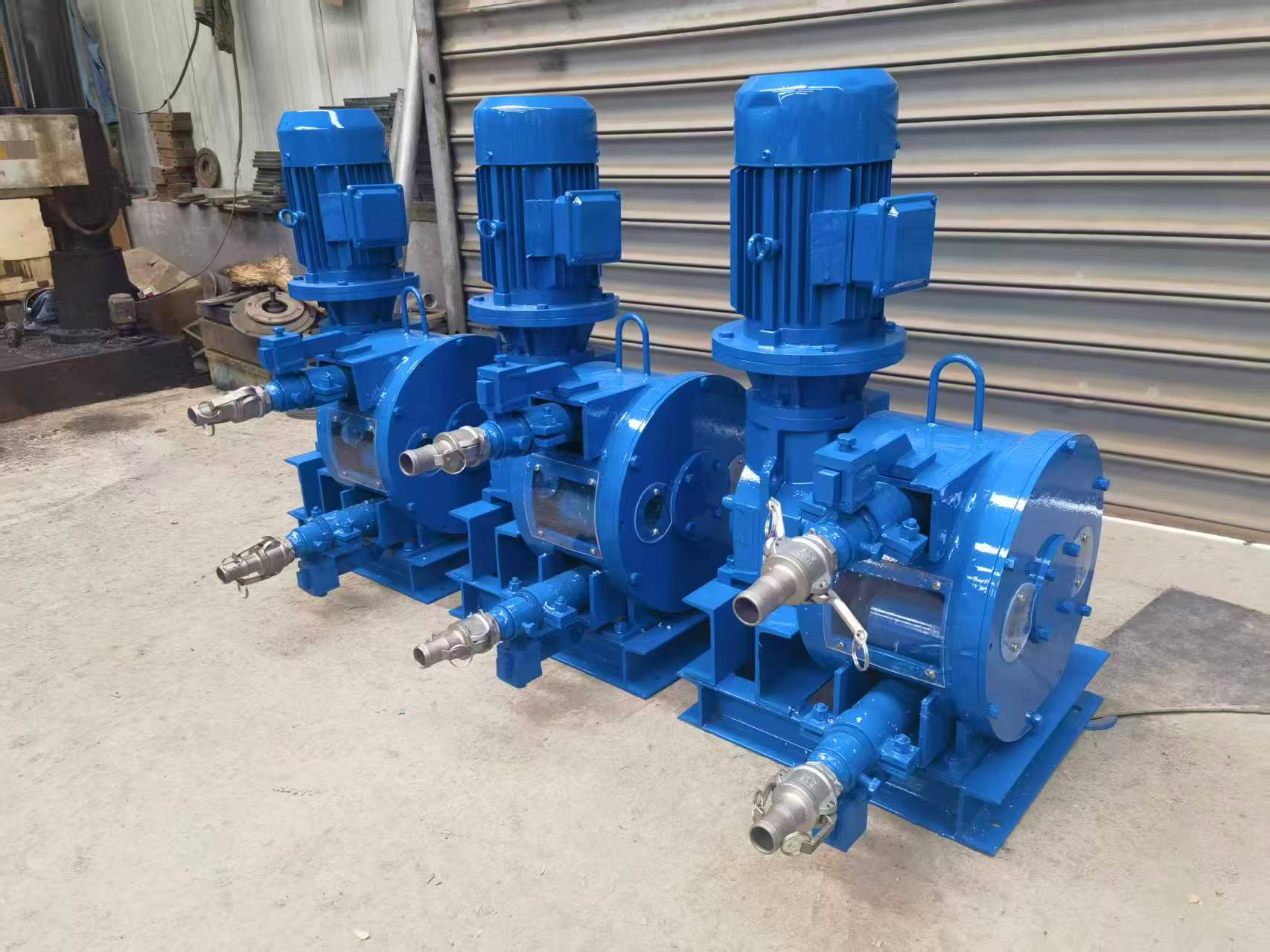
Admixtures are materials added to concrete before or during mixing to modify its properties. Whether you’re aiming for faster curing, enhanced durability, or a wood-like finish on your siding, there’s likely an admixture for that. In this guide, we’ll break down the 10 essential types of admixtures used in concrete today—and why they matter.
2. What Are Admixtures?
Admixtures—sometimes spelled ‘ad mixtures’—are chemical or mineral additives incorporated into concrete mixes to enhance performance, workability, or aesthetics. These concrete chemicals can be as simple as air-entraining agents or as advanced as polycarboxylate ether (PCE)-based superplasticizers. The best admixture for concrete depends entirely on your project’s needs, climate, and design goals.
3. Water-Reducing Admixtures
3.1. Superplasticizers and High-Range Water Reducers
Superplasticizers—also called high-range water reducers—are among the most widely used concrete admixtures. They dramatically increase workability without adding extra water, which helps maintain strength and durability. Polycarboxylate ether (PCE) superplasticizers are now the gold standard, offering superior slump retention compared to older naphthalene or melamine-based versions.
Commonly referred to as super plasticizers or plasticizer for concrete, these admixtures enable self-consolidating concrete and are essential in high-performance applications like skyscrapers and bridges. You’ll often see terms like ‘superplasticizer in concrete’ or ‘concrete water reducer’ used interchangeably in technical specs.
3.2. Mid-Range Water Reducers
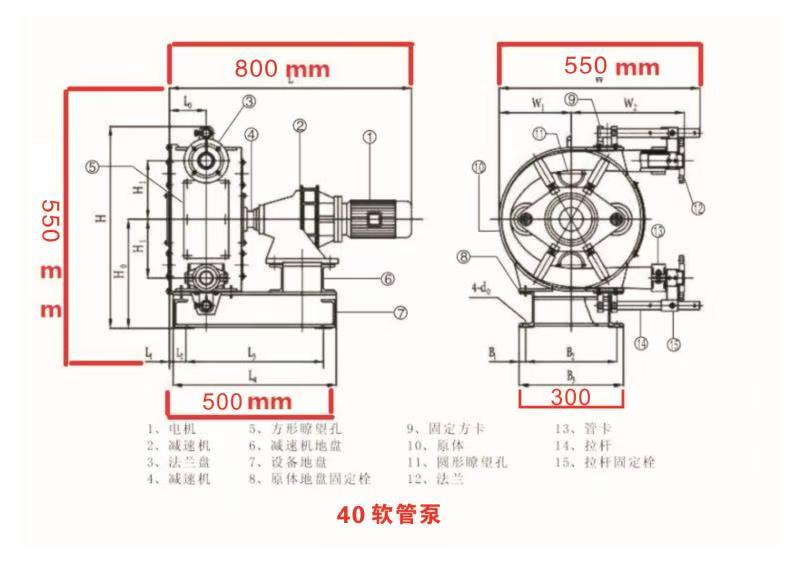
Mid-range water reducers offer moderate workability improvements and are ideal for general-purpose pours where extreme fluidity isn’t needed. They’re cost-effective and commonly used in residential slabs and foundations.
4. Set-Modifying Admixtures
4.1. Concrete Accelerators
Accelerating admixtures for concrete shorten setting time and boost early strength—critical in cold weather or fast-track projects. A concrete accelerator can reduce curing time significantly, allowing forms to be stripped sooner and labor costs to drop.
4.2. Concrete Retarders
On the flip side, a concrete retarder delays hydration, which is useful in hot climates or for large pours where you need more time to place and finish the mix. Surface retarder concrete products are also used in exposed-aggregate finishes to selectively delay the surface set.
5. Air-Entraining Admixtures
Air entraining concrete contains microscopic air bubbles that improve freeze-thaw resistance. An air entraining admixture—often called an air entraining agent—introduces these bubbles during mixing. This is vital in regions with harsh winters. Look for terms like ‘air entraining cement’ or ‘air entraining concrete’ when specifying durable outdoor slabs.
6. Waterproofing Admixtures
6.1. Integral Waterproofers
An integral waterproofer becomes part of the concrete matrix, blocking capillary pores to prevent moisture ingress. These include crystalline waterproofing admixtures that react with water and unhydrated cement to form insoluble crystals—ideal for basements and water tanks.
6.2. Cement and Concrete Waterproofing Additives
Products marketed as concrete waterproofing additive, cement waterproofing additive, or waterproof admix help create watertight structures without external membranes. Brands like Chryso admixture offer specialized solutions, while DIYers might search for ‘waterproofing admixture for concrete’ at retailers like Home Depot.
7. Mineral Admixtures
Mineral admixtures like fly ash, slag, or silica fume aren’t just fillers—they enhance long-term strength and reduce permeability. Often blended with Portland cement, they contribute to sustainable construction by repurposing industrial byproducts.
8. Fiber Reinforcement
Fibers for concrete—ranging from polypropylene fibres to steel fibers—improve crack resistance, impact strength, and ductility. Fiber reinforced concrete is now standard in industrial floors, shotcrete, and even architectural panels.
Popular options include pp fiber concrete, steel fiber reinforced concrete, and innovative materials like coconut fiber reinforced concrete. For homeowners, fibercement siding (also called concrete fiber siding or Hardie concrete siding) offers a durable, wood-look alternative. Modern concrete siding from manufacturers like CertainTeed mimics natural wood grain while resisting rot and insects.
9. Foaming Agents for Lightweight Concrete
Foaming agents are critical in producing cellular lightweight concrete (CLC), foam concrete, or aircrete. A CLC foaming agent creates stable bubbles, reducing density while maintaining insulation properties. Protein-based and synthetic foaming agents are common, with prices varying based on performance and volume.
Contractors often search for ‘best foaming agent for aircrete’ or ‘foam agent for lightweight concrete price’ when planning insulating roof decks or non-load-bearing walls.
10. Color and Release Agents
While not structural, colored concrete and release agents play a big role in aesthetics. Powder concrete colorants, stamp release agents, and water-based release sprays allow for stamped and colored concrete in countless patterns—from brickform liquid release finishes to charcoal or terra cotta hues.
Whether you’re using white cement for countertops or gray stamped concrete for driveways, the right release agent (like mould release spray or concrete form oil) ensures clean demolding and vibrant colors.
11. Conclusion
From superplasticizer admixture formulations that cut CO2 emissions to fiberfor concrete mixes that mimic wood siding, admixtures are the unsung heroes of modern concrete technology. Understanding concrete admixture types—whether you need a concrete retarder admixture, an accelerating admixture, or a crystalline waterproofing admixture—empowers builders to create stronger, smarter, and more sustainable structures. As innovations like bio-based plasticizers gain traction, the future of concrete looks not just stronger, but greener too.
Our Website founded on October 17, 2012, is a high-tech enterprise committed to the research and development, production, processing, sales and technical services of ceramic relative materials such as 10. Our products includes but not limited to Boron Carbide Ceramic Products, Boron Nitride Ceramic Products, Silicon Carbide Ceramic Products, Silicon Nitride Ceramic Products, Zirconium Dioxide Ceramic Products, etc. If you are interested, please feel free to contact us.