Professional solutions on concrete addtives, Concrete Foaming Agent, Superplasticizer, CLC Blocks Additives, and foaming machine

What Are Admixtures and How Do They Transform Concrete Performance?
1. Introduction
Ever wondered how modern concrete achieves such incredible strength, flexibility, or even water resistance? The secret lies in admixtures—specialized additives mixed into concrete to fine-tune its behavior during mixing, pouring, curing, or long-term use. Whether you’re building a skyscraper, a backyard patio, or waterproof basement walls, admixtures play a crucial role in making concrete smarter, stronger, and more versatile. From superplasticizers that boost flow without adding water to fibers that prevent cracking, these concrete chemicals are indispensable in today’s construction world.
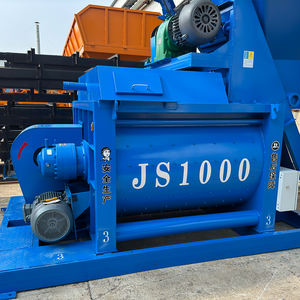
2. What Are Admixtures?
Admixtures—sometimes spelled ‘ad mixtures’—are ingredients added to concrete (or mortar) besides the basic components: cement, water, aggregates, and reinforcement. They’re typically used in small quantities but deliver significant performance improvements. Classified broadly as chemical or mineral admixtures, they can modify setting time, increase strength, reduce permeability, improve finishability, or add color. The right admixture used in concrete can mean the difference between a structure that lasts decades and one that fails prematurely.
3. Common Types of Concrete Admixtures
Concrete admixture types fall into several functional categories, each serving distinct purposes on the job site. Understanding these helps contractors and DIYers choose the best admixture for concrete based on environmental conditions, design specs, and desired outcomes.
3.1 Water-Reducing Admixtures and Superplasticizers
Water reducing admixtures, including mid-range and high-range variants like superplasticizers, allow less water in the mix while maintaining workability. This leads to higher strength and lower permeability. Superplasticizer in concrete—often based on polycarboxylate ether (PCE), naphthalene, or melamine—is especially powerful. A superplasticizer admixture can reduce water content by up to 40%, enabling self-consolidating or high-strength concrete. These plasticizers for concrete (also called concrete plasticisers) are essential in complex formwork or dense reinforcement scenarios where flow matters most.
3.2 Accelerators and Retarders
When time is critical, accelerating admixtures for concrete speed up early strength development and shorten curing time—ideal for cold weather or fast-track projects. Conversely, a concrete retarder admixture delays setting, useful in hot climates or for large pours where extended workability prevents cold joints. Surface retarder concrete products even allow decorative stamping by keeping the surface soft longer while the interior hardens.
3.3 Air-Entraining Admixtures
Air entraining concrete contains microscopic air bubbles created by an air entraining agent. These bubbles improve freeze-thaw resistance by giving water room to expand when it freezes. An air entraining admixture is vital in regions with harsh winters and is often required by building codes for exterior slabs, bridges, and pavements. Don’t confuse this with foam concrete—it’s about durability, not lightweight structure.
3.4 Waterproofing and Integral Additives
For basements, tunnels, or wet areas, waterproofing admixture for concrete offers long-term protection. Options include integral waterproofers, crystalline waterproofing admixtures that react with moisture to seal pores, and cement waterproofing additives. Unlike surface coatings, these concrete waterproof admix systems work from within, making the entire matrix resistant to water ingress. A quality waterproof admix can eliminate the need for external membranes in many applications.
3.5 Fibers for Reinforcement
Fiber reinforced concrete incorporates materials like polypropylene fibres for concrete, steel fibers for concrete, or even coconut fiber reinforced concrete to control cracking and boost impact resistance. Fibers for concrete—ranging from microfibers to macro fibers—act as secondary reinforcement. Products like fibermesh concrete or fiberfor concrete mixes enhance toughness without traditional rebar. Modern options include carbon fiber reinforcement in concrete for ultra-high-performance applications, though cost remains a factor. Note: concrete fiber siding (like Hardie or CertainTeed brands) uses similar fiber-cement composites but is a finished product, not a mix additive.
3.6 Foaming Agents and Lightweight Concrete
Foaming agent used in foam concrete—such as protein-based or synthetic CLC foaming agents—creates air-filled cellular structures for lightweight blocks or insulation fills. A good foaming agent for lightweight concrete reduces density while maintaining adequate strength. While not a structural admixture per se, it’s key in precast or non-load-bearing applications where weight savings matter.
3.7 Colorants and Release Agents
Beyond performance, admixtures also enhance aesthetics. Colored concrete uses pigments (concrete powder or liquid) to achieve hues from charcoal to terra cotta. For stamped concrete, release agents—powder or spray—prevent sticking and add accent colors. Mould release spray, form release oil, and water-based release agents ensure clean pattern transfer without damaging the surface.
4. Choosing the Right Admixture
Selecting the best admixture for concrete depends on your project’s specific needs. Are you battling cold weather? Consider a concrete accelerator. Pouring in summer heat? A concrete retarder may be essential. Need high flow without segregation? Go for a PCE-based superplasticizer. Waterproofing a foundation? Look into crystalline admixture waterproofing. Always consult technical data sheets and consider compatibility—some admixtures interact poorly when combined. Brands like Chryso offer engineered solutions tailored to regional standards and performance demands.
5. Conclusion
Admixtures have revolutionized concrete technology, turning a simple mixture into a high-performance, customizable building material. From superplasticizers that enable sleek architectural forms to fibers that prevent catastrophic cracking and waterproofing additives that protect infrastructure, these concrete additives solve real-world challenges every day. Whether you’re a contractor, engineer, or homeowner planning a DIY slab, understanding admixture types and their functions empowers smarter, more durable construction choices.
Our Website founded on October 17, 2012, is a high-tech enterprise committed to the research and development, production, processing, sales and technical services of ceramic relative materials such as What. Our products includes but not limited to Boron Carbide Ceramic Products, Boron Nitride Ceramic Products, Silicon Carbide Ceramic Products, Silicon Nitride Ceramic Products, Zirconium Dioxide Ceramic Products, etc. If you are interested, please feel free to contact us.