Professional solutions on concrete addtives, Concrete Foaming Agent, Superplasticizer, CLC Blocks Additives, and foaming machine

The One Statistic That Makes a Foam Equipment Maintenance Schedule Non-Negotiable
The High Stakes of Foam System Care
A 2022 industry analysis of fire system failures found that over 70% of foam generating equipment malfunctions during emergency operations were directly attributed to lapses in routine upkeep. That’s not a minor oversight. It’s a systemic vulnerability that puts lives and assets at risk. A robust maintenance schedule for foam generating equipment is your primary defence against becoming part of that alarming statistic.
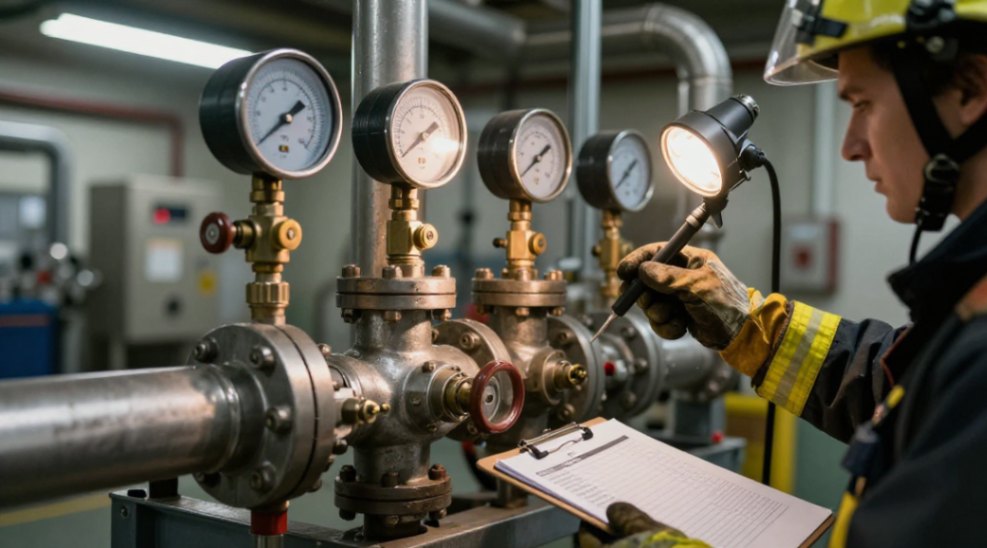
Your Foam System Maintenance Schedule: Expert Q&A
Why can’t I just test my foam system annually and call it good?
Annual testing only catches problems once they’ve already developed. The goal is prevention. Foam concentrate degrades. Seals dry out. Small debris accumulates. A layered schedule catches these issues early, transforming catastrophic failure into a simple, scheduled correction. It’s the difference between a flat tire on a road trip and a blowout at high speed.
What does a competent daily check actually look like?
It’s a 60-second visual sweep. Don’t overcomplicate it.
- Visually inspect for leaks, especially at pump seals and valve connections.
- Check that pressure gauges are in the normal “at-rest” position.
- Look for obvious damage to hoses and nozzles.
- Verify the area around the unit is clear of obstructions.
On forums like Reddit, experienced users constantly emphasize this. One facilities manager posted, “Our weekly foam level cheque caught a leaking tank seal. Saved us thousands in lost concentrate and a potential failure.”
What’s the single most overlooked weekly task?
Checking the foam concentrate level and inspecting for signs of degradation. Proportioning accuracy depends on having the right amount of undamaged concentrate. Look for separation, unusual viscosity, or sediment. Top it off immediately if it’s low. A shortage will cause the system to suck air, not foam, during a discharge.
Beyond the foam, what monthly items are critical?
This is where you get hands-on. Your monthly maintenance schedule for foam generating equipment must include:
- Hose Line Inspection: Unreel and cheque for cracks, abrasions, or soft spots.
- Strainer Cleaning: Debris in the water supply is the #1 cause of proportioner clogs.
- Tank and Component Visual: Look for corrosion, rust, or physical damage to the foam tank and its connections.
Quarterly and annual checks seem intense. Are they necessary?
Absolutely. These are your deep-dive system validations.
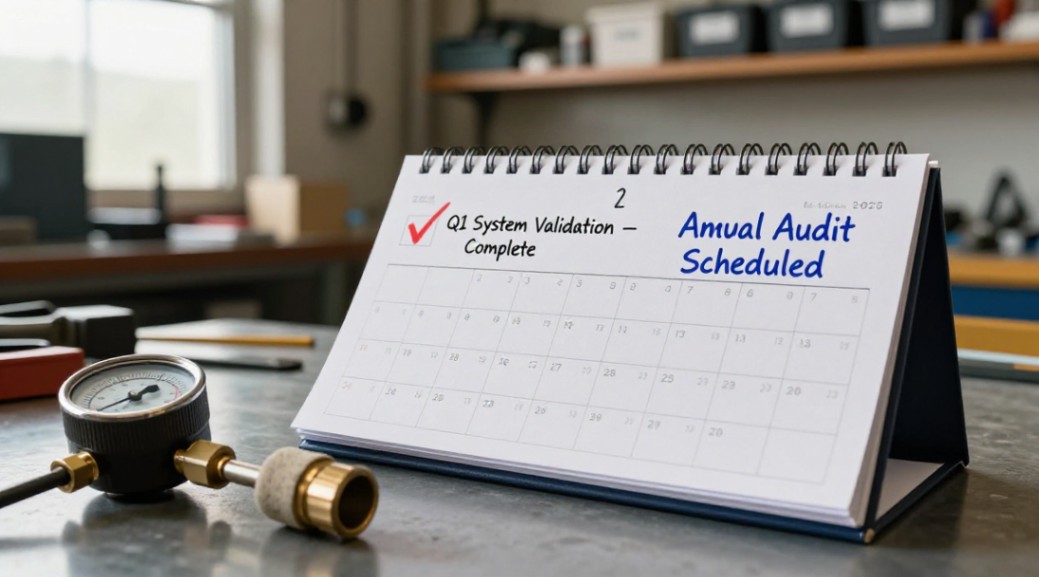
Quarterly: Focus on the power train. Listen to pump and motor bearings for unusual noise. Check electrical connections for tightness and corrosion. Lubricate components per the manufacturer’s manual.
Annually: This is your system’s “physical.” You must perform a full system discharge test. This verifies flow rates, proportioning accuracy (using a refractometer is best practice), and that all nozzles and valves operate correctly. It’s the only way to know the entire system will work as an integrated whole.
Why is logging every action so important?
Detailed logs are your legal and operational shield. They prove due diligence for insurance and fire code compliance. More importantly, they create a history for troubleshooting. A pattern of slowly dropping pressure on a gauge, noted over six months, predicts a pump issue before it fails. Without logs, you’re diagnosing in the dark.
What are the most common failures I can prevent?
Three issues dominate service calls:
- Clogged Nozzles or Proportioners: Prevented by monthly strainer cleaning and using filtered water supplies.
- Incorrect Foam Proportioning: Caused by degraded concentrate, low tank levels, or a faulty proportioner valve. Weekly and annual checks catch this.
- Pump Wear or Seal Failure: Identified early through quarterly sound checks and monitoring for leaks during daily inspections.
How do I handle spare parts without overstocking?
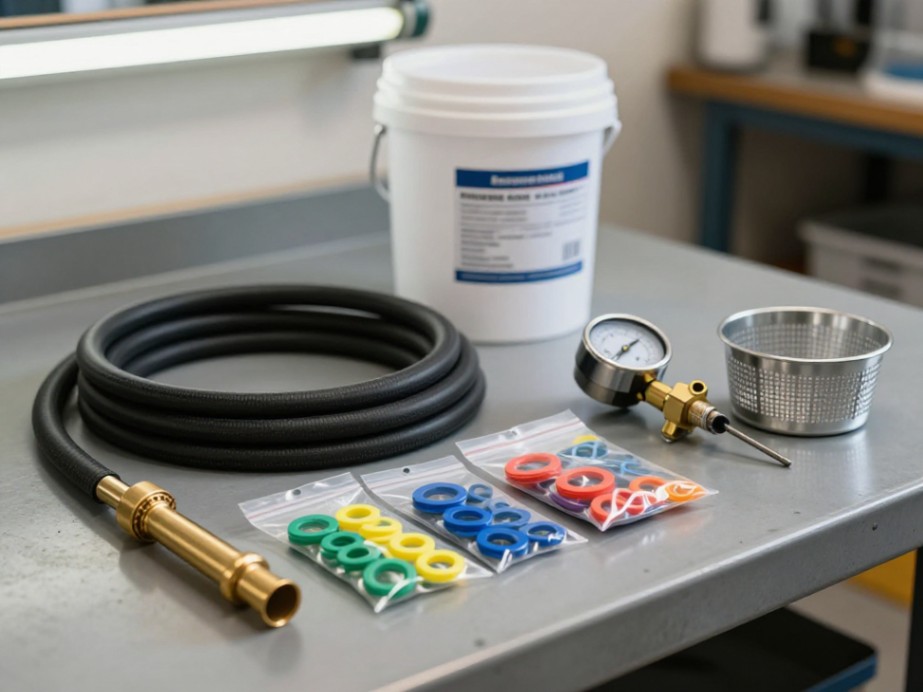
Maintain a minimum inventory of manufacturer-recommended critical components. This always includes: spare nozzles, the most common seal/o-ring kits for your pump and proportioner, a spare pressure gauge, and a replacement strainer basket. Storing an extra 5-gallon pail of your specific foam concentrate type is also wise. This turns a 2-week shutdown into a 2-hour repair.
Your Path to Unshakeable Confidence
Neglecting your foam system’s maintenance schedule is a gamble with very poor odds. The consequence isn’t just a repair bill; it’s a system that may not perform when seconds count. Start by printing this guide. Map these tasks to your calendar today. If reviewing this reveals gaps in your current process, that’s a signal. Consider a professional audit or explore modern monitoring systems that track tank levels and pressures automatically, giving you data between inspections. Your proactive care is what ensures that piercing alarm is followed by a reliable, engulfing blanket of foam-not silence.
We are the global leader in lightweight concrete and advanced engineered foam solutions. Known globally for its commitment to research, innovation, and applied expertise, we have been providing engineered foam solutions since the early 2012’s.
We can supply high-quality concrete admixture and foam concrete related products all over the world.
The company has a professional technical department and quality supervision department, a well-equipped laboratory, and equipped with advanced testing equipment and after-sales customer service center.
If you are interested, please feel free and contact us.