Professional solutions on concrete addtives, Concrete Foaming Agent, Superplasticizer, CLC Blocks Additives, and foaming machine

Choose the Right Admixtures for High-Performance Concrete
1. Introduction
Just 24 hours ago, a major infrastructure project in Texas announced it would use advanced polycarboxylate-based superplasticizers to achieve ultra-high-strength concrete with minimal water content—a move expected to cut curing time by 30%. This highlights how modern admixtures are revolutionizing concrete performance worldwide.
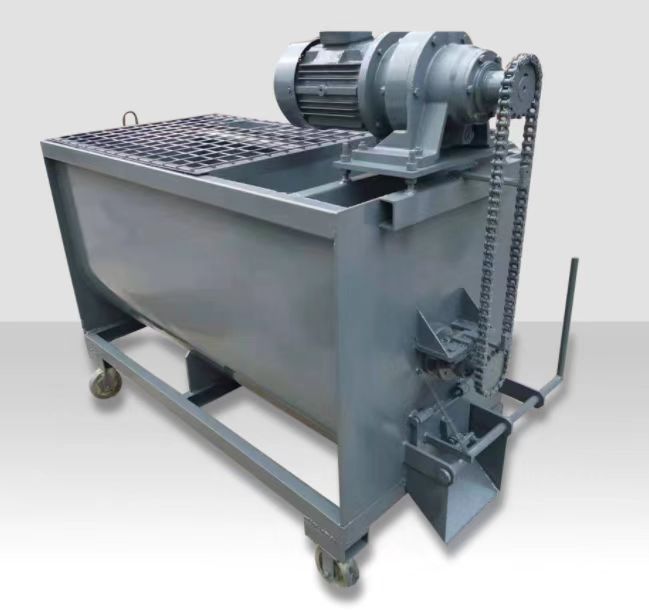
Concrete isn’t just cement, sand, and water anymore. Today’s high-performance mixes rely heavily on chemical and mineral additives—collectively called admixtures—to enhance workability, durability, strength, and setting time. With dozens of options on the market, choosing the right admixture used in concrete can make or break your project.
2. Understanding Admixture Types
Admixtures fall into two broad categories: chemical and mineral. Chemical admixtures include superplasticizers, accelerators, retarders, and air-entraining agents. Mineral admixtures—like fly ash or silica fume—improve long-term strength and reduce permeability. Both play vital roles in tailoring concrete properties.
Among chemical admixtures, the most widely used are water reducing admixtures, especially superplasticizers. These allow for dramatic water reduction without sacrificing flow—critical for dense, durable structures.
3. Superplasticizers: Naphthalene vs. Polycarboxylate
Not all superplasticizers are created equal. The two dominant chemistries are naphthalene-based (SNF) and polycarboxylate ether (PCE).
Naphthalene sulfonate formaldehyde (SNF) superplasticizers have been used for decades. They offer strong water reduction (15–25%) and are cost-effective. However, they can cause faster slump loss and aren’t ideal for self-consolidating concrete.
In contrast, PCE-based superplasticizers—often called polycarboxylate superplasticizers—deliver high-range water reduction (up to 40%), excellent slump retention, and compatibility with modern cement blends. They’re the go-to for precast, high-rise, and bridge projects demanding precision.
- Best superplasticizer for concrete? For most new builds, PCE wins on performance.
- Cost-wise, SNF remains cheaper, but PCE offers better long-term value through reduced cement use and faster formwork turnover.
4. Accelerators and Retarders: Controlling Cure Time
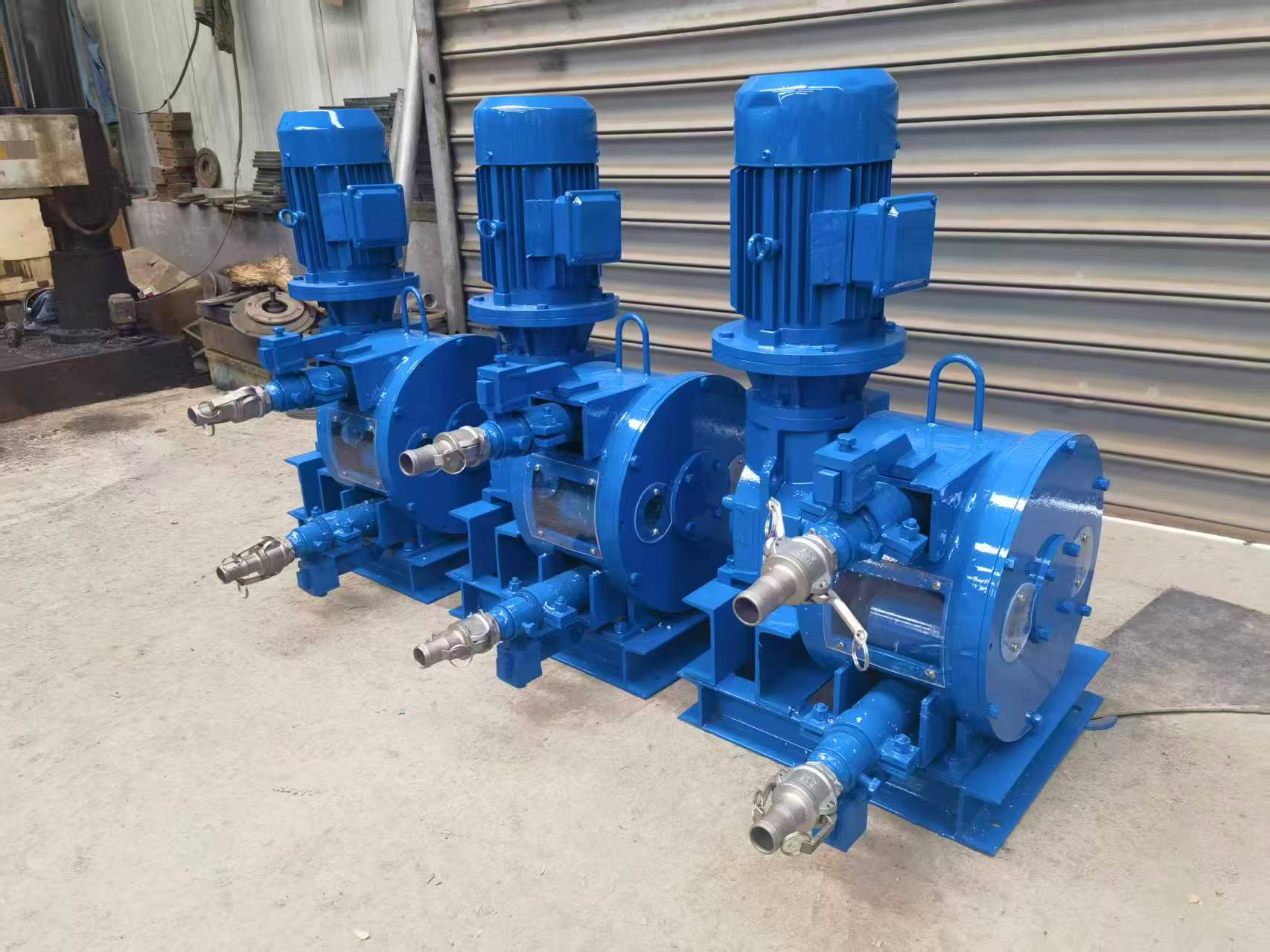
Concrete accelerator admixtures speed up hydration, crucial in cold weather or when fast form removal is needed. Calcium nitrate or chloride-free formulas help achieve early strength without corrosion risk.
On the flip side, concrete retarder admixtures delay setting—ideal for hot climates or large pours where you need extended workability. Surface retarder concrete products even allow decorative stamping by keeping the surface soft while the core hardens.
Choosing between accelerating admixtures for concrete and admixture retarder depends entirely on ambient conditions and scheduling demands.
5. Air Entraining and Waterproofing Solutions
Air entraining concrete contains microscopic bubbles that improve freeze-thaw resistance. An air entraining admixture—often a vinsol resin or synthetic surfactant—is essential in northern climates. Without it, concrete can crack within a few winters.
For moisture-prone applications, waterproofing admixtures are non-negotiable. Options include integral waterproofer types like crystalline waterproofing admixture, which reacts with water to form insoluble crystals that block pores. Others, like cement waterproofing additive or concrete waterproof admix, create hydrophobic barriers within the matrix.
Unlike topical sealers, admixture waterproofing works from within—making it ideal for basements, tunnels, and water tanks.
6. Fiber Reinforcement: Beyond Steel
While not traditional ‘chemical’ admixtures, fibers are increasingly classified as concrete additives. Polypropylene fibres for concrete reduce plastic shrinkage cracks, while steel fibers for concrete boost post-crack toughness.
Emerging options like coconut fiber reinforced concrete or carbon fiber reinforcement in concrete offer sustainable or high-strength alternatives. Fibermesh concrete systems combine micro and macro fibers for all-around performance.
Though concrete fiber siding and fibercement siding use fibers for cladding, structural fiber reinforced concrete enhances slabs, pavements, and shotcrete.
7. Specialty Additives: Foaming Agents, Release Agents & More
Foaming agent for foam concrete enables lightweight cellular concrete (CLC), used in insulation blocks and void filling. Protein-based and synthetic foaming agents each have pros—protein offers stability; synthetics offer consistency.
For decorative work, concrete release agent (powder or spray) prevents stamps from sticking. Colored concrete powder and tinted release agents add visual depth to stamped patterns—popular in driveways and patios.
Even white cement now often includes superplasticizer to maintain fluidity in countertops or architectural panels without graying the mix.
8. How to Pick the Best Admixture for Concrete
There’s no universal ‘best admixture for concrete.’ Your choice depends on:
- Environmental exposure (freeze-thaw? wet? hot?)
- Required strength and finish
- Placement method (pumped? poured? sprayed?)
- Budget and availability (e.g., Chryso admixture vs. generic brands)
Always consult technical data sheets and run trial batches. A superplasticizer that works with one cement may fail with another due to sulfate balance or fineness.
9. Conclusion
From superplasticizer in concrete to air entraining agents and crystalline waterproofing admixture, modern admixtures empower builders to engineer concrete for exacting demands. Understanding admixture types—and their interactions—is key to durability, efficiency, and innovation. Whether you’re pouring a patio or a skyscraper foundation, the right concrete chemicals make all the difference.
Our Website founded on October 17, 2012, is a high-tech enterprise committed to the research and development, production, processing, sales and technical services of ceramic relative materials such as Choose. Our products includes but not limited to Boron Carbide Ceramic Products, Boron Nitride Ceramic Products, Silicon Carbide Ceramic Products, Silicon Nitride Ceramic Products, Zirconium Dioxide Ceramic Products, etc. If you are interested, please feel free to contact us.