Professional solutions on concrete addtives, Concrete Foaming Agent, Superplasticizer, CLC Blocks Additives, and foaming machine

Structural Lightweight Concrete with Expanded Clay: The 3 Mistakes That Could Sink Your Project
From a Crack to a Wake-Up Call
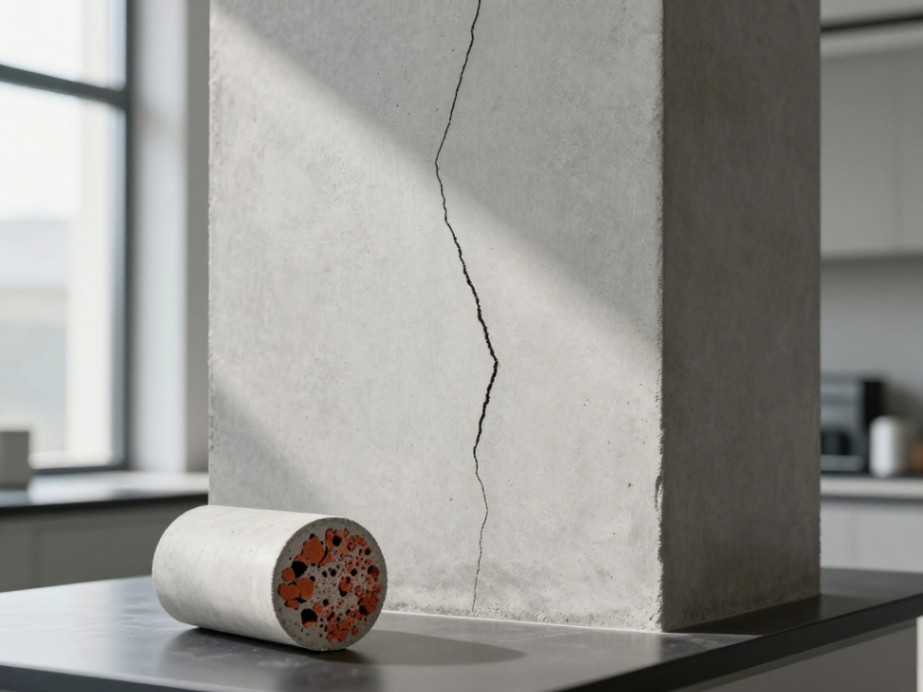
Early in my career, I inspected a beautiful new mid-rise. The design was elegant, the floor plan open. But in a corner column, I saw a single, fine crack running vertically through the concrete. The core sample told the story: the structural lightweight concrete mix was starved of water during curing. The aggregate-expanded clay-had sucked the mix dry before it could gain strength. That crack wasn’t a flaw in the material. It was a flaw in our understanding. This experience taught me that working with structural lightweight concrete with expanded clay aggregate is incredibly rewarding, but it demands respect for its unique nature. Let’s make sure you avoid the pitfalls I and others have faced.
What You’re Really Working With
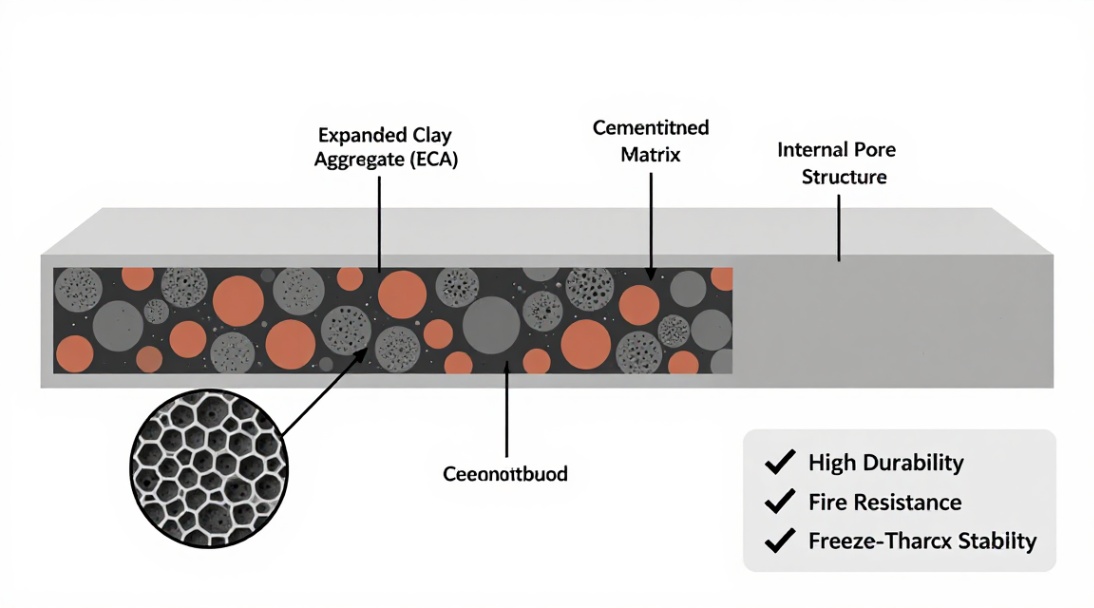
Don’t think of this as just “light concrete.” Structural lightweight concrete with expanded clay aggregate is a composite system. You replace dense, heavy gravel with man-made expanded clay pellets, often called LECA (Lightweight Expanded Clay Aggregate). These are fired in a rotary kiln, creating a hard ceramic shell around countless tiny air pockets. That’s the magic. The result is concrete that meets structural strength demands-often exceeding 3,000 psi-while cutting dead weight by 25% to 35%. That weight savings is your ticket to slimmer columns, longer spans, and better seismic performance. But here’s the warning: treat those porous, thirsty aggregates like the unique component they are.
The Three Costly Mistakes You Must Avoid
Success with this material isn’t about advanced secrets. It’s about sidestepping fundamental errors.
1. Ignoring the Pre-Soak (The Thirst Trap)
This is the number one error. You would never pour water over a pile of dry sponges and expect a workable mixture. Expanded clay aggregate is inherently porous and dry. If you don’t pre-wet it, it will rob water from your cement paste the moment it’s mixed. Your slump disappears on the truck. Workability plummets. More dangerously, the concrete won’t hydrate properly, leading to weak, dusty surfaces and low overall strength. Always pre-soak your aggregates. Let them reach a saturated surface-dry (SSD) condition before batching. Your mix will be predictable, and your strength results will be reliable.
2. Using Standard Placement and Curing Methods
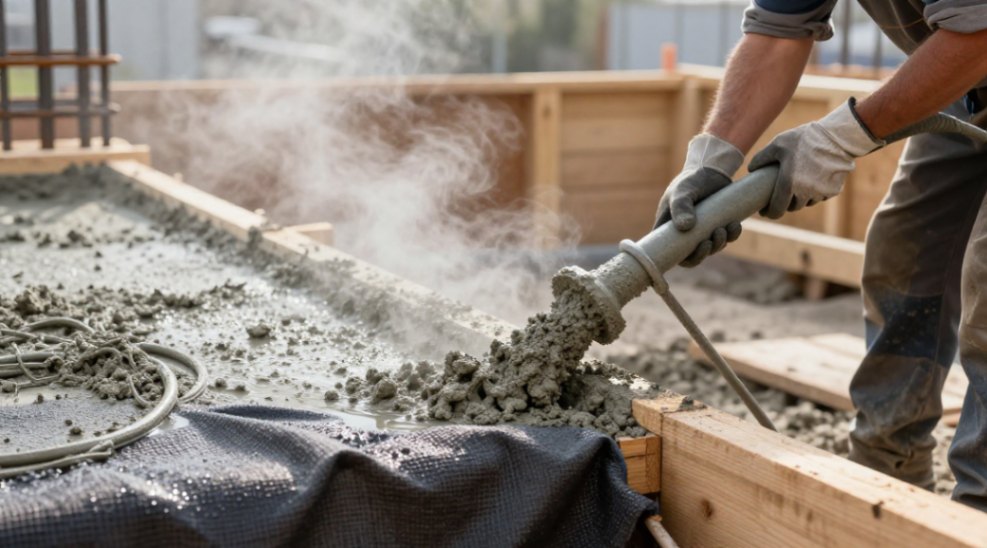
Because it’s lighter, you might think it’s easier to handle. That’s a trap. The lower density means it’s more susceptible to segregation if you over-vibrate. Long drops from chutes can separate the aggregate from the paste. You must place it gently and use vibration judiciously-just enough to consolidate, not so much that the lightweight aggregate rises to the top. And curing? It’s non-negotiable. That internal moisture you carefully added during pre-soaking must be locked in. Start curing immediately with water mist, wet burlap, or curing compounds to prevent plastic shrinkage and ensure full strength development. A day of neglect here compromises decades of performance.
3. Overlooking the Full Lifecycle Value
Yes, the raw material cost per cubic yard is higher than normal-weight concrete. Stopping your analysis there is a severe mistake. You must look at the entire structure. The reduced weight means smaller foundations, less reinforcing steel, and often faster construction with lighter precast elements. The thermal insulation properties of expanded clay aggregate cut heating and cooling loads. In seismic zones, the lower mass directly reduces lateral forces. When you run the numbers on the total project-from foundation costs to operational energy-the value proposition of structural lightweight concrete becomes crystal clear. Don’t let a narrow material cost view kill a smarter, more efficient building.
Building Smart, Building Safe
When you avoid these mistakes, the advantages shine. You get a material that combines respectable compressive strength with impressive durability. The ceramic nature of expanded clay aggregate provides excellent fire resistance and stands up well to freeze-thaw cycles. From high-rise building frames and parking decks to long-span bridges, it’s a proven performer. The sustainability story is strong, too, with lower embodied energy from reduced transportation and the potential use of recycled materials in the aggregate manufacturing process.
Your Path Forward
The journey with structural lightweight concrete is one of thoughtful adaptation. Respect the thirst of the aggregate. Adjust your placement rhythm. Crunch the whole-project numbers. Start with a trusted supplier who understands the need for consistent aggregate quality and can guide you on mix designs. Talk to your ready-mix producer early. Most importantly, see this not as a problem to solve, but as a tool to build better-lighter, stronger, and more efficient. You have the awareness now. Use it to build with confidence.
We are the global leader in lightweight concrete and advanced engineered foam solutions. Known globally for its commitment to research, innovation, and applied expertise, we have been providing engineered foam solutions since the early 2012’s.
We can supply high-quality concrete admixture and foam concrete related products all over the world.
The company has a professional technical department and quality supervision department, a well-equipped laboratory, and equipped with advanced testing equipment and after-sales customer service center.
If you are interested, please feel free and contact us.