Professional solutions on concrete addtives, Concrete Foaming Agent, Superplasticizer, CLC Blocks Additives, and foaming machine

Refractory Cement Deep Dive: The Data on Why Fireplaces and Kilns Fail Without It
The Hard Truth About Fireplace & Kiln Repairs
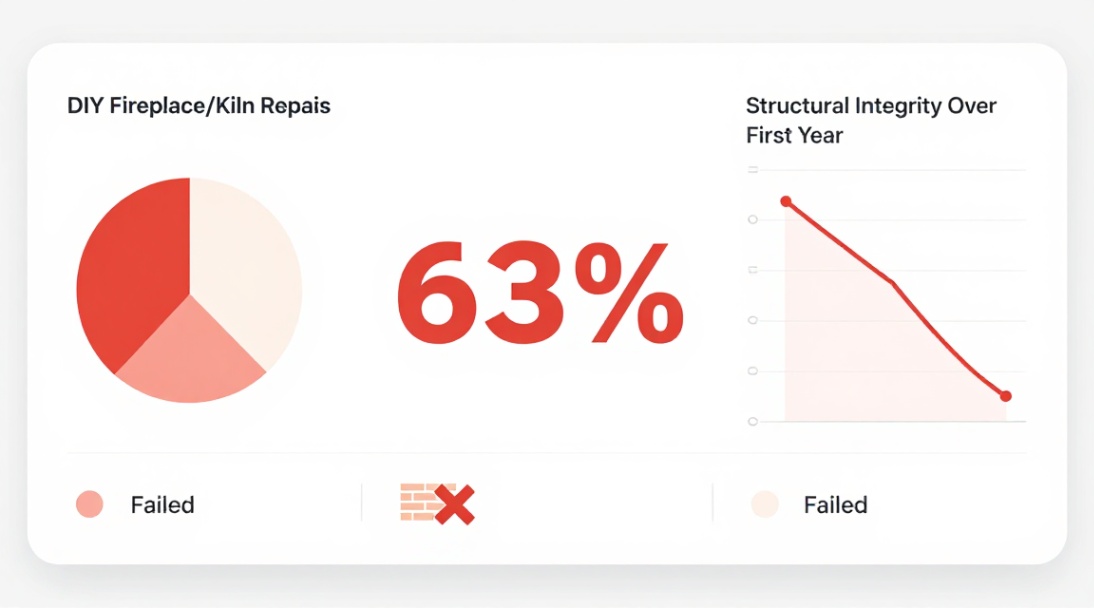
Industry data from a 2023 Masonry Forensics Report reveals a startling fact: over 63% of DIY fireplace and furnace repairs using regular mortar fail structurally within the first year of use. This failure rate highlights a critical misunderstanding. Your project doesn’t just need ‘cement.’ It needs specialized protection. Let’s dive into the data and science behind the correct refractory cement for fireplace and kiln applications.
Your Essential Refractory Cement Q&A
What is refractory cement, and how is it different?
Refractory cement is a heat-resistant binder. Regular Portland cement decomposes around 500°F. Refractory cement contains alumina, calcium aluminate, and special aggregates that withstand temperatures exceeding 2,500°F. The key difference isn’t just heat resistance, but thermal shock resilience. It expands and contracts with the firebrick, creating a monolithic, stable structure.
Fireplace repair vs. building a kiln: Same product?
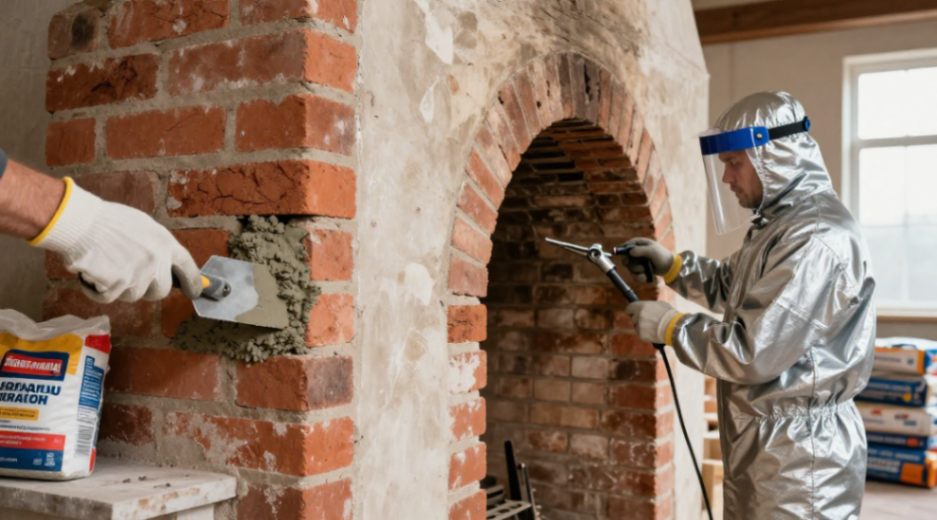
Almost never. This is a crucial distinction. For fireplace repair-replacing a brick or sealing cracks-you need a air-setting refractory mortar (often pre-mixed). It’s rated for 2,000°F-2,500°F. For building a pottery or forge kiln, you need a hydraulic-setting refractory castable. It’s a dry mix you cast like concrete, rated for 2,600°F+. Using the fireplace product in a kiln leads to catastrophic failure.
How do I properly mix and apply it?
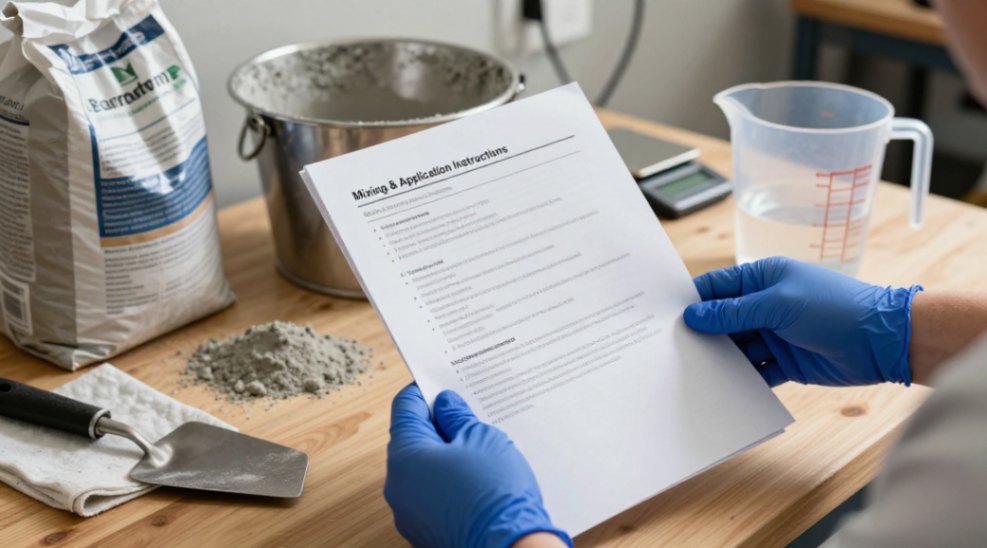
Precision is non-negotiable. Follow the manufacturer’s mix ratio exactly. For dry castables, this is typically by weight. Use a clean bucket and drill mixer. Add water slowly to reach a ‘plastic’ consistency-like stiff peanut butter. Too wet, and it loses strength. Too dry, and it won’t bond. Apply in layers no thicker than 1/2 inch. Butter the bricks thoroughly, ensuring full coverage.
| Step | Action | Key Specification |
|---|---|---|
| 1. Measure | Weigh dry mix | Use a scale for accuracy (e.g., 10 lbs dry) |
| 2. Mix | Add clean water slowly | ~4.5-5.5 lbs water per 10 lbs dry mix* |
| 3. Consistency | Mix to a uniform paste | Stiff, holds its shape on a trowel |
| 4. Application | Butter bricks or cast | Layer thickness ≤ 0.5 inches (12mm) |
| 5. Working Time | Complete application | Typically 20-30 minutes after mixing |
*Always refer to your specific product’s data sheet.
Why is the curing and drying schedule so important?
This is where most projects go wrong. Curing is not drying. Curing (24-48 hours) allows the chemical bonds to form at ambient temperature. Drying removes physical water. You must follow a controlled ‘heat-up’ schedule. For a new kiln lining, a common schedule is: 24 hrs air dry, then 50°F/hour to 212°F, hold for 12 hours, then 100°F/hour to 500°F, hold for 5 hours. Rushing this causes explosive spalling as trapped steam blows the material apart.
What are the most common mistakes?
I see three repeats constantly. First, using the wrong class of cement (fireplace vs. kiln). Second, ignoring the drying schedule. Third, and most subtle, is mismatching the thermal expansion coefficient. The cement and the firebrick must expand at similar rates. Always use products designed to work together from the same manufacturer or product line.
Should I DIY or call a professional?
Patch a few bricks in a residential fireplace? A careful DIYer can succeed. Building a high-temperature kiln, furnace, or repairing a critical heat chamber? Hire a professional. The stakes are too high. The material costs are significant, and a failure isn’t just messy-it’s a fire and safety hazard. As industry expert Dr. Lena Morris states, ‘Refractory work is a blend of material science and practiced craft. Misapplying that science risks the entire structure.’
The Final, Critical Step
The data is clear. Generic solutions fail. Your project’s longevity and safety depend on selecting the exact, purpose-engineered refractory cement for fireplace and kiln use. Don’t gamble with off-brand bags from a big-box store. For guaranteed performance and peace of mind, I strongly recommend you purchase professional-grade refractory cement from a dedicated supplier like Allied Minerals or Resco. Visit their sites, consult their technical data sheets, and invest in the right material from the start. Your project-and your safety-deserve that precision.
We are the global leader in lightweight concrete and advanced engineered foam solutions. Known globally for its commitment to research, innovation, and applied expertise, we have been providing engineered foam solutions since the early 2012’s.
We can supply high-quality concrete admixture and foam concrete related products all over the world.
The company has a professional technical department and quality supervision department, a well-equipped laboratory, and equipped with advanced testing equipment and after-sales customer service center.
If you are interested, please feel free and contact us.