Professional solutions on concrete addtives, Concrete Foaming Agent, Superplasticizer, CLC Blocks Additives, and foaming machine

The Foam System Reliability Blueprint: A Practical Guide to Maintenance Schedules and Best Practices
Finding the Fault Line in Your Foam System
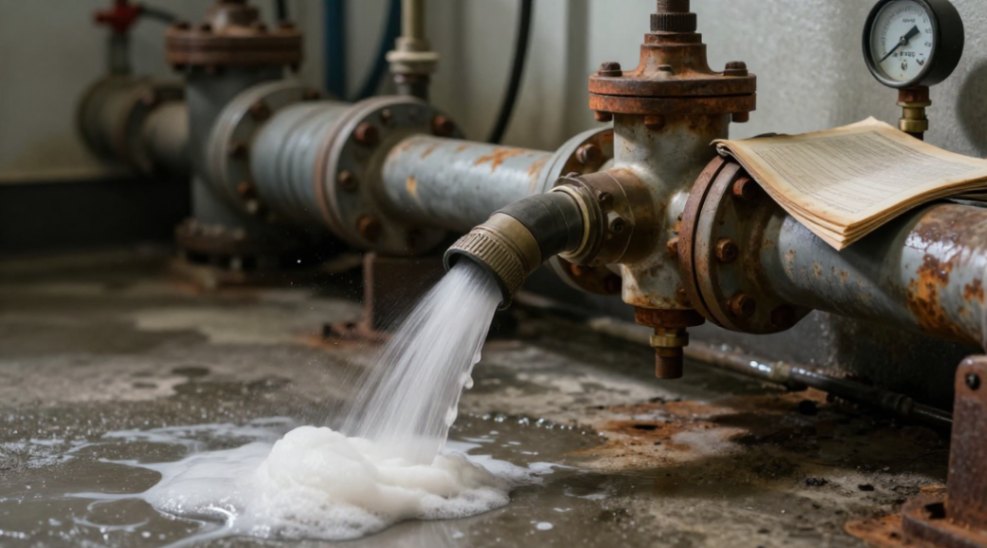
You complete the annual fire drill. The alarm sounds, personnel evacuate, and you initiate the foam suppression system. The pump groans to life, but the discharge is a weak, watery stream instead of a thick, clinging blanket of foam. The system failed at the moment of truth. This scenario is not a drill; it’s the direct consequence of a neglected or poorly structured maintenance schedule for foam generating equipment. The real cost isn’t just the downtime or repair bill-it’s the catastrophic risk left unmitigated. Let’s move from reactive panic to proactive control.
The Core Pillars of a Dynamic Maintenance Schedule
A static calendar reminder is insufficient. Effective maintenance operates on multiple, overlapping timelines. Each tier addresses specific failure modes, creating a defense-in-depth strategy for system integrity.
Daily and Operational Vigilance: Your First Line of Defence
This is non-negotiable. After any activation or test, immediate action is required. Residual foam concentrate and water form a corrosive, clogging residue. The procedure is simple but critical: flush the entire proportioning system with clean water according to the manufacturer’s manual. Visual inspection happens here. Look for leaks at pump seals, hose connections, and the proportioner. Check for physical damage to piping and nozzles. This five-minute ritual prevents 80% of common, performance-degrading issues.
The Weekly Ritual: Verifying Readiness
Once per week, shift from visual checks to functional verification. Your mission is to confirm the system’s potential to perform. First, cheque the foam concentrate tank level. Is it full, and is the concentrate within its specified service date? Old concentrate degrades. Next, verify the proportioning system. For balanced pressure proportioners, ensure the bladder is charged and the relief valves are free. For inline educators, inspect the venturi for debris. Manually exercise any isolation valves to prevent seizing. This is a data-gathering exercise. Log all findings.
Monthly Deep Dives: Mechanical Integrity
Monthly tasks target components subject to wear and environmental buildup. Inspect and clean foam piping strainers and nozzle screens. Even tiny blockages disrupt foam quality. Examine all pressure gauges for accuracy and legibility. Check pump couplings and alignment. For systems with compressed air or nitrogen tanks for bladder pressure, verify charge levels. Lubricate moving parts as specified, but avoid lubricants incompatible with your foam concentrate. This is where you catch the slow, incremental failures the weekly check might miss.
The Quarterly Re-set: System Purification
Every three months, conduct a full system flush that goes beyond the daily routine. This involves circulating a cleaning solution through the proportioner and piping network to dissolve accumulated residues, followed by a thorough fresh water rinse. Completely drain and inspect the foam concentrate tank for sediment, microbial growth, or separation. Inspect all hoses for cracks, blistering, or softening-these can be induced by the concentrate itself. Test all electrical connections to pumps and alarms for corrosion. This schedule prevents the gradual, internal contamination that silently reduces expansion ratio.
The Annual Certification: Authority Inspection
Once a year, a qualified, certified technician must inspect the system. This is not an in-house task. They will perform a full flow test, verifying the system delivers the required density and application rate at design pressure. They will calibrate the proportioning equipment and validate the foam concentrate’s quality through laboratory analysis. They inspect for internal corrosion you cannot see. This inspection provides the legal and insurance validation of your system’s readiness. Their report becomes the cornerstone of your next annual maintenance schedule for foam generating equipment.
Comparative Analysis: Scheduling Philosophies in Action
How you implement these pillars defines your system’s reliability. Let’s compare two approaches.
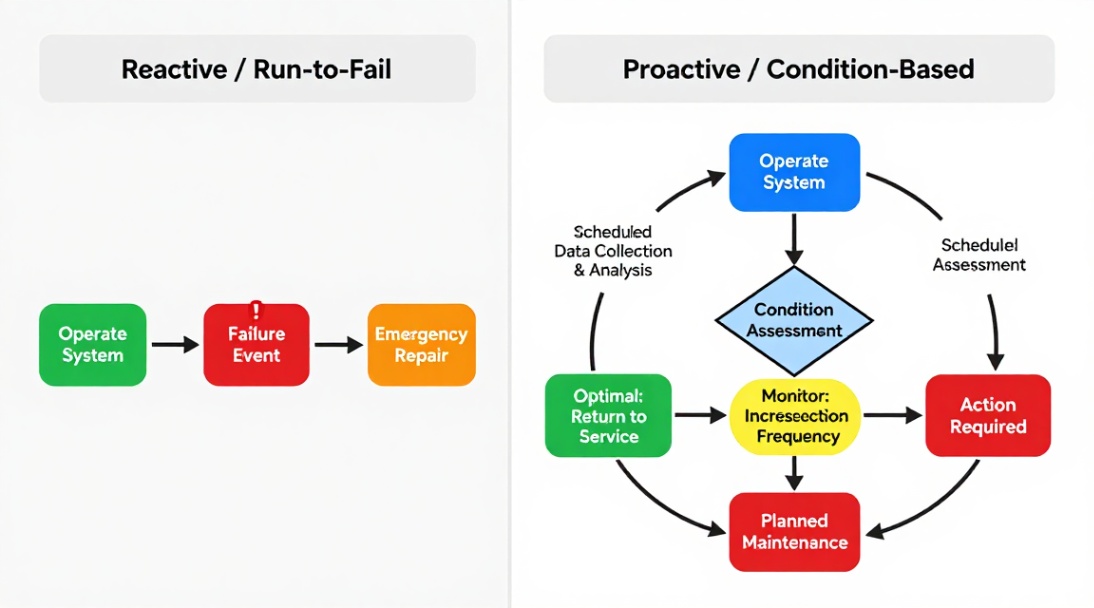
Prescriptive, Calendar-Driven Scheduling: This method rigidly assigns tasks to specific dates. Its advantage is simplicity and auditability. The checklist is clear. The weakness is inflexibility. It fails to account for increased usage after multiple drills or a partial activation, which should trigger additional cleaning. It can lead to “box-ticking” without genuine inspection.
Condition-Based and Performance-Driven Scheduling: This advanced approach uses the logged data from weekly and monthly checks to dictate service intervals. If a strainer shows excessive debris monthly, you move to bi-weekly inspection. If foam concentrate analysis shows early degradation, you adjust the tank cleaning schedule. The benefit is optimized resource use and addressing actual wear. The drawback is complexity; it requires disciplined data logging and analytical decision-making.
The industry consensus, drawn from decades of field failure analysis, favors a hybrid model. Maintain the non-negotiable core (daily post-use, weekly verification) on a strict calendar. Then, use monthly inspection data to dynamically adjust the scope of quarterly and annual tasks. For example, a system in a humid, coastal environment will require more aggressive corrosion checks than one in a dry, inland facility.
The High Cost of Schedule Neglect: A Failure Catalogue
Ignoring a structured maintenance schedule for foam generating equipment guarantees one of these outcomes. Blockages in piping or nozzles are the most common. They reduce flow and destroy foam quality. Corrosion, internally from old concentrate or externally from environment, leads to pipe failure under pressure. Pump seal failure from dry running or crystallized concentrate causes catastrophic loss of pressure. Proportioner diaphragm or bladder failure results in water-only discharge. Each failure shares a root cause: a missed inspection, a skipped flush, a deferred task.
The Indispensable Tool: Your Maintenance Log
The schedule is a plan; the log is the proof of execution. A proper log is not a notepad. It is a bound, permanent record with entries for every action: date, technician, task performed, observations, deficiencies found, corrective actions taken, and parts used. It includes foam concentrate batch numbers and dates of introduction. This log is your system’s life history. It provides trend data for condition-based maintenance. It is the first document requested by insurers and fire marshals after an incident. Without it, you have no defense against claims of negligence.
Integrating Your Schedule into the Larger Safety Ecosystem
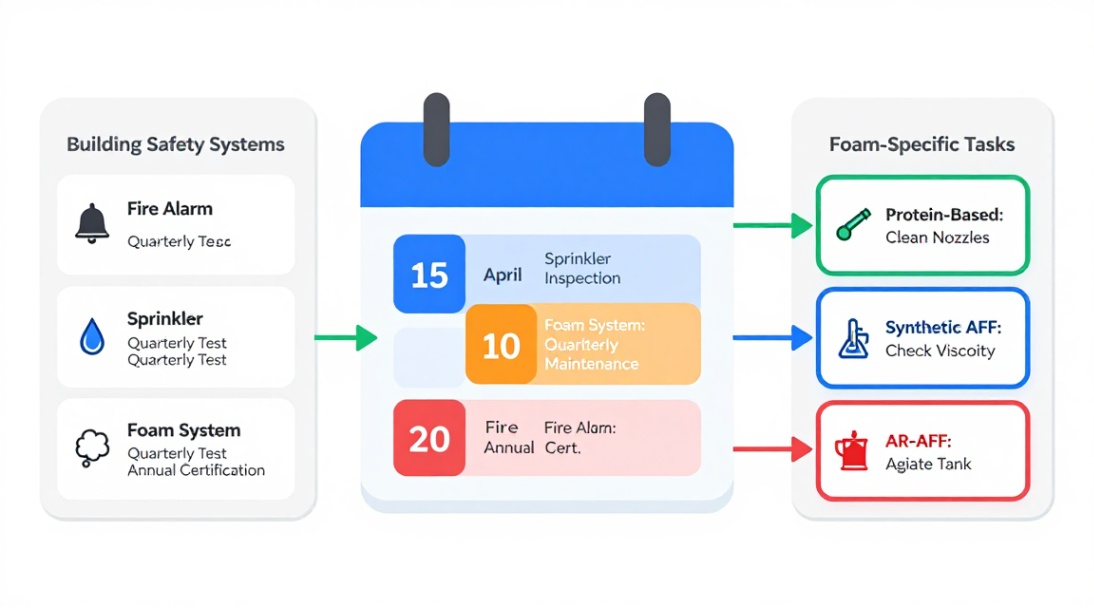
Your foam system does not exist in isolation. Its maintenance schedule for foam generating equipment must be synchronized with the building’s general fire alarm and sprinkler inspection routines. Coordinate quarterly tests. Align annual certifications. Furthermore, the schedule must adapt to your foam type. Protein-based foams require meticulous cleaning to prevent organic buildup. Synthetic AFFF can suffer from viscosity changes with temperature. Alcohol-Resistant AR-AFFF requires specific mixing and agitation procedures to maintain its polymer barrier. Your manufacturer’s manual is the final authority; this guide provides the framework to implement it systematically.
The path forward is clear. Assemble your manuals. Review your last annual inspection report. Open your maintenance log-or start one today. Map the daily, weekly, monthly, quarterly, and annual tasks outlined here onto your operational calendar. This is not overhead. It is the fundamental engineering discipline that ensures when the alarm sounds, your system responds not with a sputter, but with a roar of reliable, suppressing foam. Your next step is to perform the weekly verification you just read about. Do it now.
We are the global leader in lightweight concrete and advanced engineered foam solutions. Known globally for its commitment to research, innovation, and applied expertise, we have been providing engineered foam solutions since the early 2012’s.
We can supply high-quality concrete admixture and foam concrete related products all over the world.
The company has a professional technical department and quality supervision department, a well-equipped laboratory, and equipped with advanced testing equipment and after-sales customer service center.
If you are interested, please feel free and contact us.