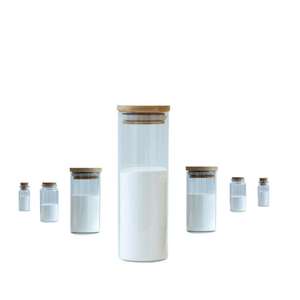
Professional solutions on concrete addtives, Concrete Foaming Agent, Superplasticizer, CLC Blocks Additives, and foaming machine

Inside Our Factory: From Raw Material to Finished Concrete Foaming Agent
Key takeaways
- Concrete foaming agents are produced from high-quality surfactants, stabilizers, and water under controlled conditions.
- The manufacturing process includes raw material inspection, mixing, homogenization, quality testing, and filling.
- Rigorous quality control ensures foam density, stability, and compatibility with cement meet specifications.
- Factory automation and traceability help deliver consistent performance for lightweight concrete applications.
Raw Material Selection and Storage
The production of a concrete foaming agent begins with careful selection of raw materials. Primary components include surfactants (such as sodium lauryl sulfate or protein hydrolysates), foam stabilizers, and water. These materials are sourced from qualified suppliers and stored in designated tanks or containers under controlled conditions to preserve purity and performance. Ingredient ratios are determined by the desired foam density, stability, and compatibility with the concrete mix. In our factory, raw materials undergo incoming inspection before release for production, ensuring only high-quality inputs enter the manufacturing process. For a detailed explanation of what a concrete foaming agent is and how it works, refer to our dedicated article.
Mixing and Reaction Process
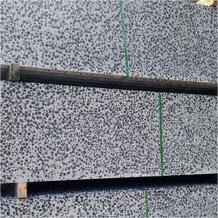
After approval, raw materials are transferred to stainless steel reaction vessels equipped with precise temperature control and agitation systems. The mixing process blends surfactants, stabilizers, and water in a specific sequence under controlled conditions. Temperature is maintained between 20°C and 40°C to optimize the reaction and ensure uniform dispersion. Duration depends on the formulation, ranging from 30 minutes to several hours. After mixing, the solution is homogenized to eliminate agglomerates, producing a stable, homogeneous liquid concentrate. This concentrate serves as the base of the concrete foaming agent, later diluted on-site for foam generation. This process is key to understanding how a concrete foaming agent cuts density by 50% without sacrificing strength, as detailed in our article.
Quality Control and Testing
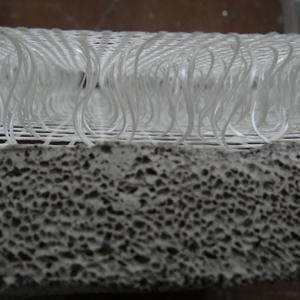
Each batch must pass a series of quality control tests before being approved for packaging. Key parameters include foam density (typically measured in g/L), foam stability over time, and compatibility with cement and other admixtures. In our factory, samples from each batch are tested using standardized methods such as the foam drainage test and the wet foam stability test. Results are compared against internal specifications to ensure consistency. Only batches that meet all criteria are approved for the next stage. This testing helps customers achieve reliable lightweight concrete with predictable density and strength. For a comprehensive guide to stable lightweight foam concrete, see our dedicated resource.
Filling, Packaging, and Final Inspection
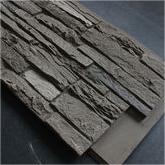
After quality approval, the finished product is transferred to a filling station and packaged into containers of various sizes—drums, IBC totes, or bulk tankers. The filling process is automated to minimize contamination and ensure accurate volume. Each container is labeled with batch number, production date, and technical specifications. A final visual inspection and seal check are performed before the product is moved to the finished goods warehouse. The warehouse maintains a controlled environment to preserve the product's shelf life. Every step, from raw material receiving to finished goods dispatch, is documented to maintain traceability and quality assurance.
Frequently asked questions
What are the main raw materials used in concrete foaming agents?
The main raw materials are surfactants (such as sodium lauryl sulfate or protein hydrolysates), foam stabilizers, and water. The exact formulation varies depending on the desired foam properties and application conditions.
How is the quality of a concrete foaming agent tested?
Quality is tested by measuring foam density, foam stability over time, and compatibility with cement. Common tests include the foam drainage test and wet foam stability test, with results compared against internal standards.
Why is temperature control important during production?
Temperature control ensures proper mixing and reaction of ingredients, preventing premature decomposition or uneven dispersion. Typical mixing temperatures range from 20°C to 40°C to maintain consistency.
Waterreduceragent is a supplier of Concrete Admixture with over 12 years of experience in nano-building energy conservation and nanotechnology development. It accepts payment via Credit Card, T/T, West Union and Paypal. TRUNNANO will ship the goods to customers overseas through FedEx, DHL, by air, or by sea. If you are looking for lightweight concrete relative materials, please feel free to contact us and send an inquiry.