Professional solutions on concrete addtives, Concrete Foaming Agent, Superplasticizer, CLC Blocks Additives, and foaming machine

7 Must-Know Types of Concrete Admixtures and How They Transform Modern Construction
1. Introduction
Just 24 hours ago, a major breakthrough was announced by a leading European construction materials firm: a new generation of polycarboxylate ether (PCE)-based superplasticizer that reduces water content by up to 40% while maintaining workability for over 90 minutes—addressing one of the industry’s biggest pain points in hot-weather concreting. This innovation underscores how rapidly concrete admixtures are evolving to meet sustainability and performance demands.
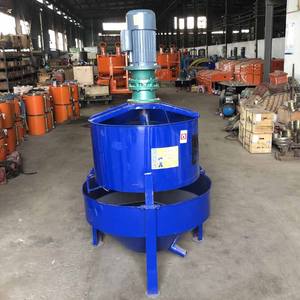
Concrete isn’t just cement, sand, and water anymore. Today’s high-performance structures rely heavily on chemical and mineral additives—collectively known as admixtures—to enhance durability, strength, workability, and aesthetics. From skyscrapers to backyard patios, the right admixture used in concrete can mean the difference between failure and decades of service life.
In this deep dive, we’ll unpack seven critical admixture types, compare their mechanisms, and reveal which ones deliver the best results for specific applications—from fast-curing driveways to waterproof basements and fiber-reinforced facades.
2. Superplasticizers: The Game-Changer in High-Strength Concrete
Superplasticizers—also called high-range water reducers—are among the most transformative concrete chemicals ever developed. They allow dramatic water reduction (15–40%) without sacrificing flow, enabling ultra-high-strength, low-permeability concrete.
2.1. Naphthalene vs. Polycarboxylate Superplasticizers
Traditional naphthalene-based superplasticizers (SNF) offer strong initial slump but suffer from rapid slump loss and higher dosage requirements. In contrast, polycarboxylate ether (PCE) superplasticizers provide superior slump retention, lower dosage (often 0.1–0.3% by cement weight), and compatibility with modern supplementary cementitious materials like fly ash and slag.
- PCE superplasticizers are now the go-to for precast, self-consolidating concrete (SCC), and 3D-printed structures.
- SNF types remain cost-effective for simple ready-mix applications but are fading from high-end use.
The best superplasticizer for concrete today is almost always PCE-based—especially when paired with mineral admixtures for green building projects.
3. Air Entraining Admixtures: Freeze-Thaw Defense
Air entraining concrete contains billions of microscopic air bubbles that act as pressure relief valves during freeze-thaw cycles. Without them, water expansion cracks concrete from within.
Air entraining admixtures (like vinsol resin or synthetic detergents) introduce stable, evenly distributed bubbles (typically 4–7% air by volume). These are essential in cold climates and for pavements, bridges, and marine structures.
Note: Overuse can reduce compressive strength, so precise dosing is critical. Always pair with proper mix design and curing.
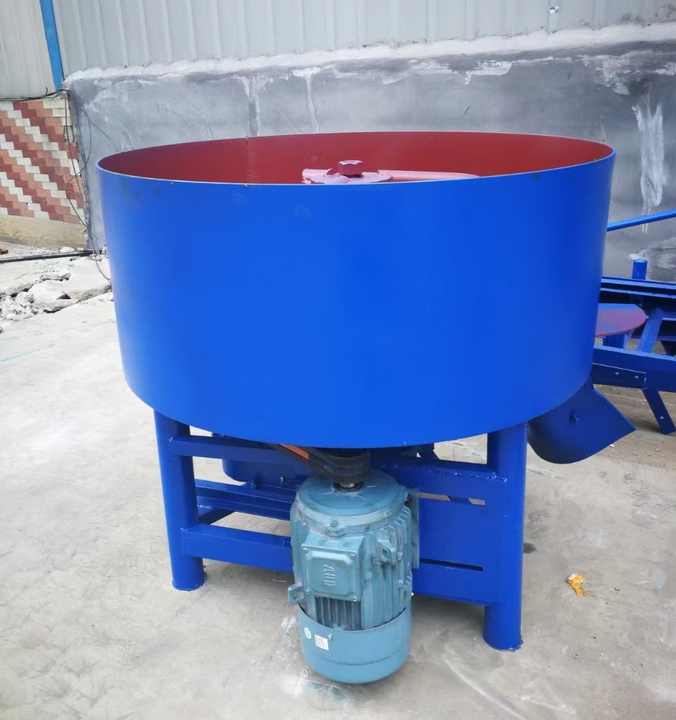
4. Waterproofing Admixtures: Beyond Surface Coatings
While surface sealers wear off, integral waterproofers become part of the concrete matrix. Two main types dominate:
4.1. Crystalline Waterproofing Admixtures
These react with moisture and unhydrated cement to form insoluble crystals that block capillaries. Ideal for basements, tunnels, and water tanks—offering permanent, self-healing protection.
4.2. Hydrophobic & Pore-Blocking Additives
Silanes, siloxanes, or stearates repel water at the molecular level. Cement waterproofing additives like these are often used in above-grade walls and facades.
For long-term durability, crystalline waterproofing admixture systems outperform topical treatments—making them the best admixture for concrete in wet environments.
5. Accelerators and Retarders: Controlling Cure Time
Timing is everything in concrete placement. That’s where accelerating admixtures for concrete and concrete retarder admixtures come in.
Concrete accelerator curing time can be slashed by 50% using calcium nitrate or non-chloride accelerators—crucial for cold-weather pours or fast-track projects.
Conversely, concrete retarder admixtures (like sugar-based or lignosulfonate compounds) delay setting in hot weather or for complex placements. Surface retarder concrete products even allow decorative stamping by keeping the surface soft while the core sets.
Choose based on ambient temperature, logistics, and finish requirements—not just speed.
6. Fiber Reinforcement: The Rise of Fiberfor Concrete
Gone are the days when steel rebar was the only reinforcement. Today, fibers for concrete—polypropylene, steel, glass, or even coconut—are mixed directly into the batch.
Polypropylene fibres for concrete (PP fiber concrete) control plastic shrinkage cracks and improve impact resistance. Steel fibers for concrete boost post-crack ductility—ideal for industrial floors and seismic zones.
Emerging options like carbon fiber reinforced concrete offer exceptional tensile strength but at premium costs. For most residential uses—like concrete siding or driveways—macro polypropylene fibers provide the best balance of performance and affordability.
Note: Fibermesh concrete and similar branded systems simplify dosing but aren’t always necessary; loose fibers work fine with proper mixing.
7. Specialty Additives: Color, Release, and Foam
Beyond performance, admixtures also enable aesthetics and process efficiency.
Colored concrete relies on iron oxide pigments (concrete stain powder or colored concrete powder) blended into the mix. Stamped concrete colors—from charcoal to terra cotta—are locked in using powder release agents that also prevent sticking.
Concrete form release agents (oil-based or water-based) ensure clean demolding. Meanwhile, foaming agents for foam concrete create lightweight CLC blocks using protein-based or synthetic surfactants—key for insulation and void-filling.
Even white cement—a specialty binder—acts as an admixture when used for white concrete countertops or architectural finishes, often enhanced with superplasticizer to maintain flow without graying.
8. Conclusion
The world of concrete admixtures is vast, but understanding these seven core categories empowers smarter material choices. Whether you need a superplasticizer admixture for high-rise cores, an air entraining agent for northern highways, or a crystalline waterproofing admixture for a basement, the right additive transforms ordinary concrete into engineered performance material. As innovations like next-gen PCEs hit the market, staying informed ensures your builds last longer, cost less, and look better.
Our Website founded on October 17, 2012, is a high-tech enterprise committed to the research and development, production, processing, sales and technical services of ceramic relative materials such as 7. Our products includes but not limited to Boron Carbide Ceramic Products, Boron Nitride Ceramic Products, Silicon Carbide Ceramic Products, Silicon Nitride Ceramic Products, Zirconium Dioxide Ceramic Products, etc. If you are interested, please feel free to contact us.