Professional solutions on concrete addtives, Concrete Foaming Agent, Superplasticizer, CLC Blocks Additives, and foaming machine

Polycarboxylate Ether Superplasticizer: The Key to High-Slump Concrete Without Sacrificing Strength
Ever Watched Your Concrete Stiffen Before You Can Finish Pouring?
If you’ve been on-site, you know the frustration. The mix looks perfect at the plant. By the time it arrives and you start placing it, the slump vanishes. You add water on-site to regain workability-a quick fix that weakens the concrete, increases cracking, and compromises the entire structure’s durability. This common headache is exactly why polycarboxylate ether superplasticizer for high slump concrete became a game-changing solution. It’s not just an admixture; it’s a fundamental shift in how we control workability and performance.
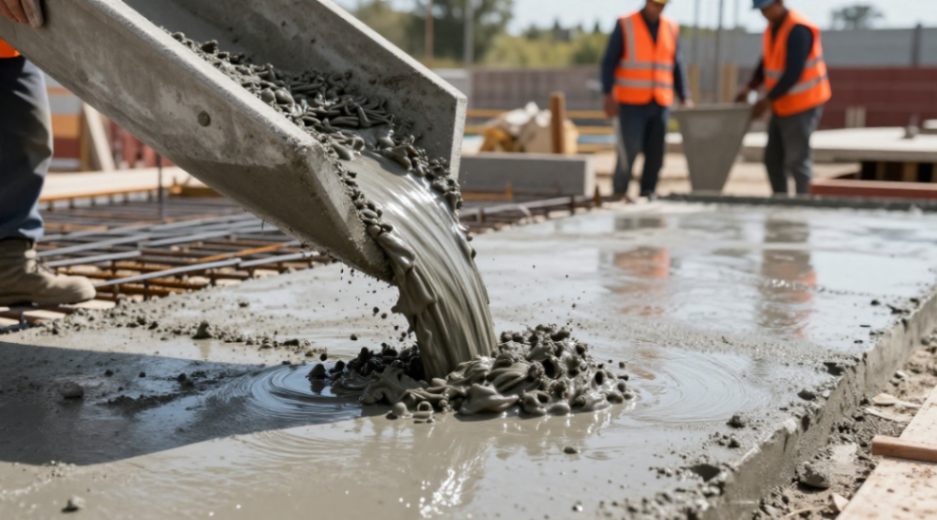
What is a Polycarboxylate Ether Superplasticizer?
A polycarboxylate ether superplasticizer (PCE) is a high-performance, water-reducing concrete admixture. Its primary function is to disperse cement particles far more effectively than older admixture types. Think of it as a powerful dispersing agent. While traditional plasticizers like those based on naphthalene or lignosulfonate work by electrostatic repulsion, PCEs use a smarter mechanism called steric hindrance.
The Mechanism: Steric Hindrance vs. Electrostatic Repulsion
The “polycarboxylate ether” molecule has a specific structure: a long backbone with comb-like side chains. The backbone anchors to cement particles. The side chains extend into the water, creating a physical, three-dimensional barrier that prevents particles from clumping together. This steric hindrance is more robust and longer-lasting than the simple charge-based repulsion of older superplasticizers. The result is superior particle dispersion with less water, leading directly to high-slump, highly workable concrete.
Why PCEs Dominate for High-Slump Applications
Engineers choose polycarboxylate ether superplasticizer for high slump concrete because it solves multiple problems simultaneously. It delivers exceptional water reduction-often 25% to 40%-while maintaining extreme fluidity. This allows you to achieve a high slump (150mm to 250mm+) without adding excess water, preserving the crucial low water-cement ratio needed for high strength and durability.
| Feature | Traditional Superplasticizer (e.g., Naphthalene-based) | Polycarboxylate Ether (PCE) Superplasticizer |
|---|---|---|
| Primary Mechanism | Electrostatic Repulsion | Steric Hindrance |
| Dispersion Efficiency | Moderate, sensitive to ionic content | Very High, more stable |
| Slump Retention | Poor to Moderate (rapid slump loss) | Excellent (slump maintained for 60-120+ minutes) |
| Water Reduction | 12-18% | 25-40%+ |
| Final Strength | Good improvement | Superior improvement (due to lower w/c ratio) |
| Compatibility | Can be problematic with some cements | Generally good, but requires specific formulation |
Best Practices for Using PCE in High-Slump Concrete
Success requires more than just adding the admixture to the mix. Follow these field-tested guidelines to avoid common pitfalls and ensure optimal performance from your polycarboxylate ether superplasticizer.
Dosage and Mixing Procedures
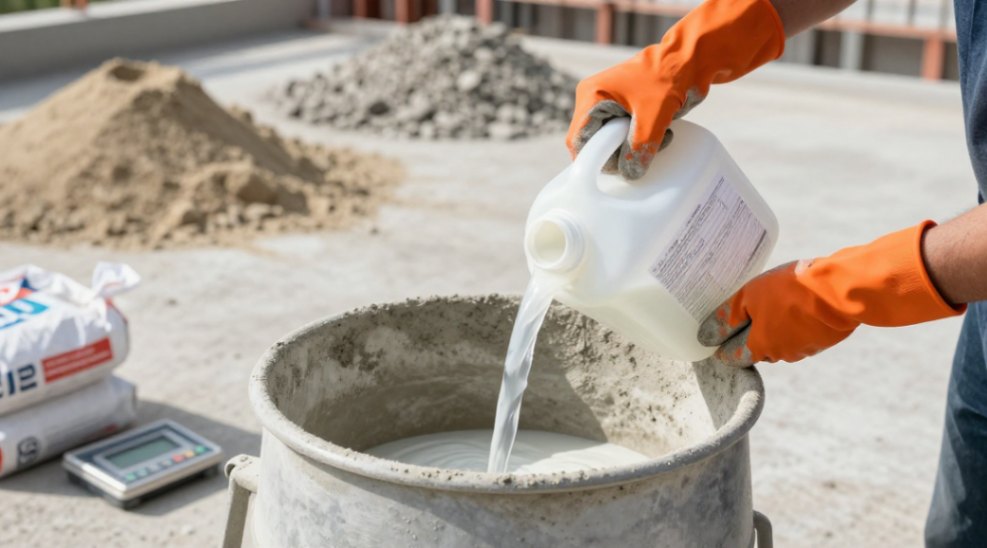
Dosage is critical. Typical dosages range from 0.1% to 0.3% by weight of cementitious material, but always follow the manufacturer’s data sheet. Start with a lower dose and adjust based on slump and retention tests. Always add the PCE with the mixing water or immediately after. Delayed addition often yields better dispersion and slump retention. Never add undiluted PCE directly to dry cement.
Controlling Slump Retention
The number one request on forums is, “How do I stop my concrete from setting too fast?” PCEs excel here. Their steric hindrance mechanism degrades slower than electrostatic forces. For extended retention (over 90 minutes), use a specially formulated PCE with retarding components. Monitor temperature closely. High temperatures accelerate slump loss. Adjust your mix design and potentially use a retarding-type PCE in hot weather.
Achieving High Strength and Low Shrinkage
This is the core benefit. The high water reduction directly lowers the water-cement ratio. A lower w/c ratio means fewer capillary pores in the hardened concrete. The result? Significantly higher compressive strength (early and ultimate) and drastically reduced drying shrinkage and cracking. You get the workability of a wet mix with the strength and durability of a dry one.
Troubleshooting Common On-Site Issues
Even with the best admixture, issues arise. Here’s how to diagnose and solve them.
- Excessive Air Entrainment: Some PCEs can entrain air. If this happens, switch to a de-aired (low-foaming) PCE product or use a compatible defoamer.
- Over-Retardation: Too much PCE, or using a retarding type in cool weather, can delay setting. Reduce dosage or switch to a standard PCE. Consider adjusting the cement composition.
- Rapid Slump Loss: Cheque cement compatibility. Sulfate content in the cement can drastically affect PCE performance. Talk to your admixture supplier; they can provide a compatibility test or recommend a different PCE polymer structure.
- Segregation & Bleeding: An overly fluid mix with inadequate fines can separate. Ensure your aggregate gradation is correct and consider adding a viscosity-modifying agent (VMA) alongside the PCE for stability.
The Sustainability and Performance Edge
Using a polycarboxylate ether superplasticizer for high slump concrete isn’t just about convenience. It’s a sustainable choice. The high water reduction means you use less cement to achieve the same strength, cutting CO2 emissions. It enables the production of self-consolidating concrete (SCC), which reduces labour, improves surface finish, and allows for complex architectural designs. The enhanced durability means longer-lasting structures with lower lifetime maintenance costs.
Your Next Step to Better Concrete
Stop fighting against slump loss and compromising strength. The technology exists to give you both fluidity and fortitude. The key is understanding how to specify and use it correctly. Start by consulting with a qualified technical representative from a reputable admixture company. Provide them with your cement source, mix design, and performance goals (target slump, retention time, strength). They can recommend the specific polycarboxylate ether superplasticizer product and dosage protocol tailored for your project. Then, run trial batches. Test for slump, retention, air content, and strength. This small upfront investment in testing guarantees predictable, high-performance results on site, batch after batch.
We are the global leader in lightweight concrete and advanced engineered foam solutions. Known globally for its commitment to research, innovation, and applied expertise, we have been providing engineered foam solutions since the early 2012’s.
We can supply high-quality concrete admixture and foam concrete related products all over the world.
The company has a professional technical department and quality supervision department, a well-equipped laboratory, and equipped with advanced testing equipment and after-sales customer service center.
If you are interested, please feel free and contact us.