Professional solutions on concrete addtives, Concrete Foaming Agent, Superplasticizer, CLC Blocks Additives, and foaming machine

Choosing Industrial Foam Equipment: A Practical Guide for Precast Producers
The First Time I Saw a Bad Batch
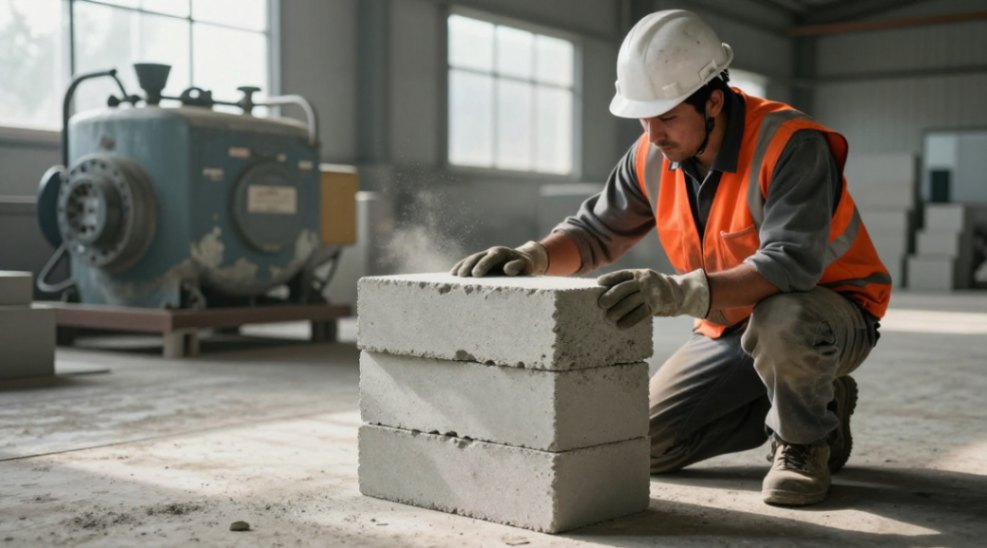
I remember walking into a plant years ago, the air thick with frustration. A crew was wrestling with a pile of foam concrete blocks that looked wrong. Some were too heavy, others crumbled at the edges. The batch was inconsistent, and the project was behind. The manager pointed to the old, cantankerous foam generator in the corner. “It’s got a mind of its own,” he said. We’ve all been there, haven’t we? Relying on a piece of equipment that’s supposed to create value but instead creates variance. The core purpose of industrial foam generating equipment for precast plants isn’t just to make bubbles; it’s to manufacture repeatability. That single moment of failure convinced me that choosing the right system isn’t an accessory decision-it’s foundational to your product’s weight, strength, and your plant’s profitability.
Understanding the Heart of the System
Let’s start with the basics we often overlook. Foam generating equipment doesn’t work in a vacuum. It’s a partner to your batching plant. Its job is to take a concentrated foaming agent-either synthetic or protein-based-and transform it into a stable, ultra-fine foam with a precise density, measured in kg/m³. This foam then gets injected into your concrete mix. Think of it as an air-entrainment system on steroids, giving you direct, volumetric control over the density of your final precast element. The benefits are direct: lighter weight for easier handling and shipping, improved thermal insulation properties, and significant material savings by displacing cement and aggregate with air. But those benefits only materialize if the foam is perfect, every single time.
The Great Debate: Synthetic vs. Protein Foam
Your first major fork in the road is the foaming agent, and the choice dictates your equipment needs. Synthetic agents are the workhorses. They’re tough, less sensitive to water chemistry, and generally cheaper. The foam they produce is characterized by larger, more rigid bubbles. It’s fantastic for standard lightweight mixes. Protein-based agents, derived from natural sources, are the precision instruments. They create much smaller, more spherical bubbles that result in a stronger cell structure within the concrete. This gives you a better strength-to-weight ratio. However, protein foam can be more finicky. It often requires more sophisticated equipment with finer control over pressure and dilution to unlock its full potential. For a plant running a wide variety of mix designs, a system versatile enough to handle both might be the wise long-term play.
Breaking Down the Machine: More Than Just a Generator
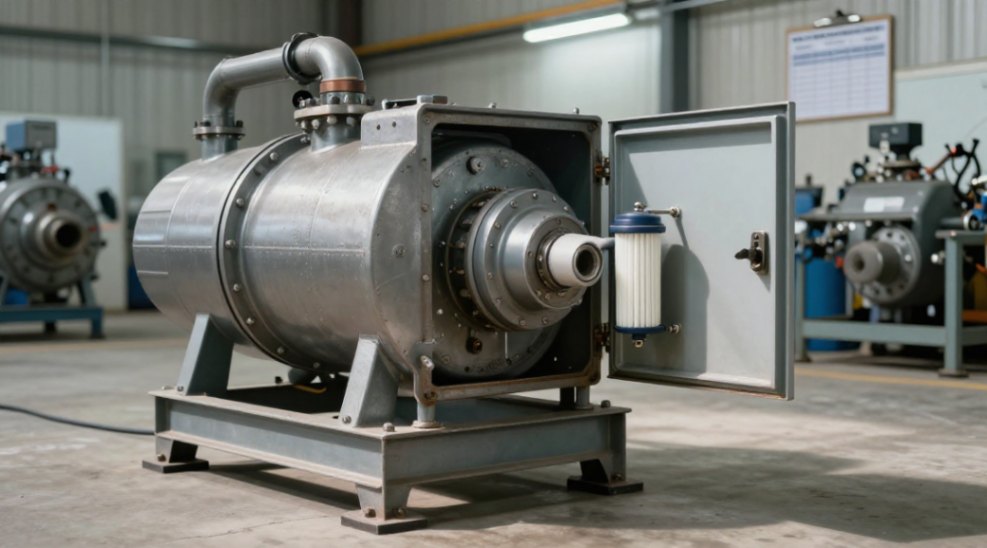
When we evaluate industrial foam generating equipment for precast plants, we’re really looking at an integrated system. The generator itself, where air, water, and agent are forced together under pressure, is just one component. The pump that delivers the concentrate must be steady and reliable-any pulsation translates directly into foam density variation. Then there’s the dosing system. The best systems integrate directly with your batching plant’s PLC. They don’t just turn on and off; they modulate flow based on the mixer’s actual batch cycle, ensuring a consistent air volume from the first cubic metre to the last. The controls are where the magic happens. You’re not just setting a ‘knob position.’ You’re setting a target foam density, and the system’s sensors and logic maintain it, compensating for line pressure changes or agent viscosity. This precision control is what separates industrial-grade equipment from a basic unit.
Durability, Maintenance, and the Real Cost of Ownership
Here’s a truth we learn the hard way: the initial purchase price is a small part of the story. True cost lives in durability and maintenance. Industrial equipment is built for 24/7 punishment. Look for generators with corrosion-resistant wetted parts, pumps designed for chemical service, and robust piping. A system that needs a technician’s daily touch is a system that’s costing you production time. We want a machine that we can set, forget, and trust. Simplicity in design often wins. Fewer seals, fewer valves, fewer points of failure. Your maintenance schedule shouldn’t be a constant battle; it should be a predictable, routine check. The impact on your final precast product is too significant to leave to chance. Inconsistent foam means inconsistent concrete density, which directly undermines calculated strength and insulation values. It’s a chain, and the generator is the first link.
Making the Choice: Volume, Variety, and Value
So, how do you choose? Let’s apply some logic. It boils down to two factors: production volume and mix design variability. A high-volume plant producing the same few products needs a robust, automated workhorse. Integration and reliability are king. A plant that’s more of a job shop, with frequent mix changes and special designs, needs flexibility above all. A system with easy-to-adjust parameters and broad compatibility with different foaming agents will save you endless headaches. Calculating ROI isn’t mystical. Track the reduction in raw materials (cement, sand) per cubic yard of concrete achieved by the foam. Factor in the production efficiency gains from faster cycling times (lighter mixes set and cure differently) and reduced waste from out-of-spec batches. The numbers usually add up quickly, justifying the investment in proper industrial foam generating equipment.
Looking Ahead: The Connected Plant
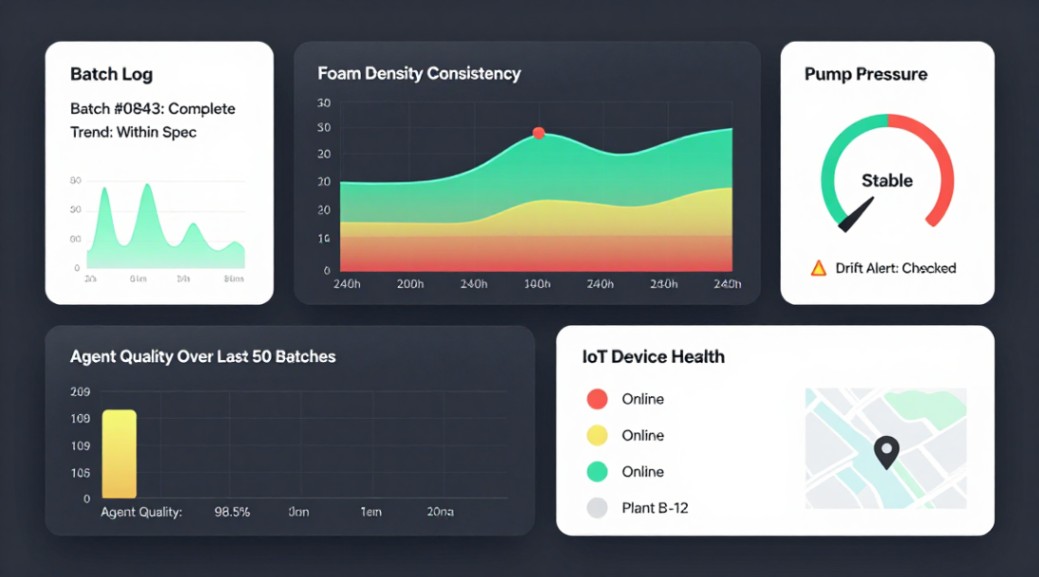
The future is about data. We’re already seeing trends toward IoT monitoring on this equipment. Imagine a system that doesn’t just control foam density but logs every batch, tracking performance over time. It could alert you to a drifting pump or a change in agent quality before it ruins a load. This data-driven path leads to optimization we can only guess at today-fine-tuning foam for specific curing conditions or aggregate types. The goal remains the same: absolute consistency. The tools are just getting smarter.
Finding Your Path Forward
Walking out of that plant years ago, the solution was clear. We replaced the temperamental generator with a system built for industrial duty. The change wasn’t instant magic, but within weeks, the weight variance in their blocks tightened, waste dropped, and the crew’s frustration turned to focus. The right equipment removes a variable. It lets you concentrate on craftsmanship, not crisis management. My advice? Don’t just look at a spec sheet. Think about your daily reality. Talk to manufacturers who ask about your mix designs and batch cycles. Consider running a trial with your actual materials. The best choice is the one that fades into the background of your operation, working so reliably you almost forget it’s there-until you see the consistent, high-quality precast elements coming off your line, batch after batch.
We are the global leader in lightweight concrete and advanced engineered foam solutions. Known globally for its commitment to research, innovation, and applied expertise, we have been providing engineered foam solutions since the early 2012’s.
We can supply high-quality concrete admixture and foam concrete related products all over the world.
The company has a professional technical department and quality supervision department, a well-equipped laboratory, and equipped with advanced testing equipment and after-sales customer service center.
If you are interested, please feel free and contact us.