Professional solutions on concrete addtives, Concrete Foaming Agent, Superplasticizer, CLC Blocks Additives, and foaming machine

What Are Admixtures and Why Are They Essential in Modern Concrete Construction?
1. Introduction
In the past 48 hours, major infrastructure projects across North America have accelerated adoption of advanced concrete admixtures to meet new sustainability benchmarks set by the U.S. Green Building Council. Notably, a $2.3 billion transit hub in Chicago announced it will use polycarboxylate ether-based superplasticizers and crystalline waterproofing admixtures to reduce cement content while enhancing longevity—a move reflecting a global shift toward high-performance, eco-friendly concrete solutions.
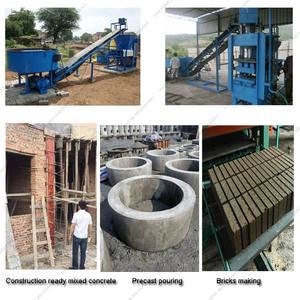
Concrete may seem like a simple mix of cement, water, and aggregates, but modern construction demands far more sophistication. That’s where admixtures come in. These specially formulated concrete additives—ranging from chemical compounds to mineral powders—are blended into concrete to modify its properties during mixing, placing, or curing. Whether you’re pouring a driveway, building a skyscraper, or crafting decorative stamped concrete, the right admixture can make all the difference in strength, finish, and resilience.
2. What Are Admixtures?
Admixtures are materials other than the basic ingredients of concrete (cement, water, and aggregates) that are added to the mix before or during mixing to improve specific characteristics. Often referred to as concrete chemicals or cement admixtures, they fall into two broad categories: chemical admixtures and mineral admixtures. Their primary roles include enhancing workability, controlling setting time, increasing durability, reducing water content, or adding special properties like waterproofing or fiber reinforcement.
3. Common Types of Concrete Admixtures
The market offers dozens of admixture types, each designed for a unique purpose. Understanding these helps contractors and DIYers choose the best admixture for concrete based on project needs.
- Water reducing admixtures (also called concrete water reducers) lower the water-cement ratio without sacrificing workability, boosting strength and durability. High-range versions are known as superplasticizers.
- Superplasticizer admixtures, especially polycarboxylate ether (PCE)-based superplasticizers, are among the most effective water reducers. They enable self-consolidating concrete with excellent flow and minimal segregation.
- Concrete accelerators shorten curing time—ideal for cold-weather pours or fast-track projects. Accelerating admixtures for concrete help achieve early strength quickly.
- Concrete retarders delay setting, useful in hot climates or for long-haul deliveries. A surface retarder concrete product can also create exposed-aggregate finishes.
- Air entraining admixtures introduce microscopic air bubbles, improving freeze-thaw resistance. This is critical in regions with harsh winters and is often required in highway and bridge construction.
- Waterproofing admixtures like integral waterproofers or crystalline waterproofing admixtures block moisture penetration from within the concrete matrix, offering long-term protection without surface coatings.
- Fiber reinforcement—including polypropylene fibres for concrete, steel fibers for concrete, and even coconut fiber reinforced concrete—enhances crack resistance and impact strength, replacing or supplementing traditional rebar in many applications.
4. Key Applications and Benefits
Superplasticizers are widely used in high-strength and high-performance concrete. A superplasticizer in concrete can reduce water content by up to 40%, dramatically increasing compressive strength while maintaining flowability—making them essential for tall buildings and precast elements. Meanwhile, plasticizer for concrete (or concrete plasticiser) improves workability at lower dosages but doesn’t offer the same water reduction as superplasticizers.
For exterior applications like concrete siding, fiber reinforcement is crucial. Products such as Hardie concrete siding and CertainTeed concrete siding rely on fiberfor concrete mixes to mimic wood grain while resisting rot, fire, and pests. Modern concrete siding options—even those that look like wood—are made possible through advanced fiber reinforced concrete technology, including macro fibers and pp fiber concrete blends.
Waterproofing admixture for concrete is increasingly popular in basements, tunnels, and water tanks. Unlike topical sealers, admixture waterproofing works from the inside out. Crystalline waterproofing admixtures react with moisture to form insoluble crystals that permanently block capillaries and micro-cracks.
Foaming agents are another niche but growing category. Used in foam concrete or CLC (cellular lightweight concrete), protein-based or synthetic foaming agents create ultra-lightweight blocks for insulation and non-load-bearing walls. The best foaming agent for aircrete depends on stability, bubble size, and compatibility with local cement types.
5. Choosing the Right Admixture
Selecting the best admixture for concrete involves matching the product to environmental conditions, structural requirements, and aesthetic goals. For colored or stamped concrete, release agents—like powder release agent for concrete or water-based release sprays—are paired with tinted concrete powders to achieve patterns and hues ranging from charcoal to terra cotta. Brands like Brickform offer liquid release systems that prevent sticking while adding subtle color accents.
When durability is key, consider combining admixtures: a superplasticizer admixture with an air entraining agent and polypropylene fibre creates a robust, freeze-thaw-resistant, crack-resistant mix. For countertops or architectural features, white cement mixed with a superplasticizer yields a smooth, bright finish ideal for white concrete countertops.
Always consult technical data sheets and follow manufacturer guidelines—especially when using specialized products like Chryso admixture or PCE superplasticizer—to ensure compatibility and optimal dosage.
6. Conclusion
From superplasticizers that revolutionize concrete flow to fibers that replace steel mesh and waterproofing admixtures that guard against decades of moisture damage, admixtures are the unsung heroes of modern construction. As sustainability and performance demands grow, so too does the innovation in concrete additives. Whether you’re a contractor, engineer, or homeowner planning a patio with stamped concrete colors, understanding admixture types and their functions empowers smarter, longer-lasting builds.
Our Website founded on October 17, 2012, is a high-tech enterprise committed to the research and development, production, processing, sales and technical services of ceramic relative materials such as What. Our products includes but not limited to Boron Carbide Ceramic Products, Boron Nitride Ceramic Products, Silicon Carbide Ceramic Products, Silicon Nitride Ceramic Products, Zirconium Dioxide Ceramic Products, etc. If you are interested, please feel free to contact us.