Professional solutions on concrete addtives, Concrete Foaming Agent, Superplasticizer, CLC Blocks Additives, and foaming machine

Admixtures Are the Secret Sauce Behind High-Performance Concrete
1. Introduction
Ever wonder how skyscrapers stand tall or bridges last decades without cracking? The answer often lies not just in steel and cement—but in something far less visible: admixtures. These concrete additives are the unsung heroes of modern construction, fine-tuning everything from workability to durability.
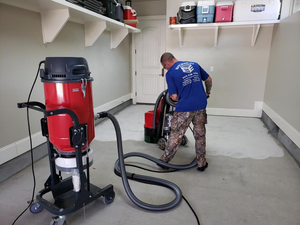
Admixtures—also called concrete chemicals—are ingredients added to concrete (or mortar) before or during mixing to modify its properties. Whether you’re speeding up curing time with a concrete accelerator or boosting freeze-thaw resistance with an air entraining admixture, these compounds make today’s high-performance concrete possible.
2. What Are Admixtures?
Admixtures are materials other than water, aggregates, and cement that are added to concrete in small quantities to alter its characteristics. They can be chemical (like superplasticizers) or mineral (like fly ash). The right admixture used in concrete can improve strength, reduce permeability, extend setting time, or even add color.
Modern construction rarely uses plain concrete anymore. Instead, engineers rely on carefully selected concrete admixture types to meet specific project demands—from fast-curing concrete additives for emergency repairs to integral waterproofer systems for basements.
3. Major Types of Concrete Admixtures
3.1. Water Reducing Admixtures
Water reducing admixtures—often called concrete water reducers—are among the most widely used. They allow you to lower the water-cement ratio without sacrificing workability, which boosts strength and durability.
Superplasticizers (also known as high-range water reducers) take this further. A superplasticizer in concrete can reduce water content by up to 40%, enabling self-consolidating or high-strength mixes. Polycarboxylate ether (PCE)-based superplasticizers are now the gold standard due to their efficiency and compatibility.
- Common names include: superplasticizer admixture, concrete superplasticizer additive, PCE superplasticizer
- Benefits: higher compressive strength, improved flow, reduced segregation
3.2. Retarding and Accelerating Admixtures
Sometimes you need concrete to set slower—like in hot weather. That’s where a concrete retarder comes in. Admixture retarders delay hydration, giving crews more time to place and finish the mix.
Conversely, accelerating admixtures for concrete speed up early strength gain. A concrete accelerator is ideal for cold-weather pours or when forms need to be stripped quickly. It directly impacts concrete accelerator curing time, making projects faster and safer.
3.3. Air Entraining Admixtures
Air entraining concrete contains microscopic air bubbles that act as pressure relief valves during freeze-thaw cycles. An air entraining admixture (or air entraining agent) introduces these bubbles, dramatically improving durability in cold climates.
This type of admixture is essential for roads, bridges, and any exterior concrete exposed to moisture and temperature swings. Don’t confuse it with foaming agents—it’s about tiny, stable bubbles, not lightweight foam.
3.4. Waterproofing Admixtures
From basements to rooftops, keeping water out is critical. Waterproofing admixtures like crystalline waterproofing admixture or integral waterproofer react within the concrete matrix to block capillary pores.
Products such as concrete waterproof admix or cement waterproofing additive provide long-term protection without surface coatings. They’re especially useful where external membranes aren’t practical.
4. Specialty Admixtures and Additives
4.1. Fiber Reinforcement
Fibers for concrete—whether polypropylene, steel, or even coconut fiber—add tensile strength and crack control. Fiber reinforced concrete is now common in slabs, shotcrete, and precast elements.
Macro fibers and microfibers serve different roles: macro fibers bridge cracks, while microfibers reduce plastic shrinkage. You’ll find them in products like fibermesh concrete or steel fiber reinforced concrete. Even home siding options like Hardie concrete siding or CertainTeed concrete siding use fiber reinforcement for durability.
4.2. Foaming Agents
For lightweight applications like CLC blocks or insulating fills, a concrete foaming agent creates stable air voids. Protein-based or synthetic foaming agents for foam concrete produce cellular concrete with low density and good thermal properties.
These are distinct from air-entraining agents—they create larger, intentional voids for weight reduction, not freeze-thaw resistance.
4.3. Color and Release Agents
Want stamped concrete that looks like wood or stone? Colored concrete powders and release agents make it possible. Powder release agents prevent stamps from sticking while adding accent colors—think charcoal stamped concrete or terra cotta concrete color.
Concrete form release agents (oil-based or water-based) ensure clean demolding without surface defects.
5. Choosing the Best Admixture for Concrete
There’s no one-size-fits-all. The best admixture for concrete depends on your environment, design specs, and timeline. For example:
- Need high flow without extra water? Go for a polycarboxylate superplasticizer.
- Building in Minnesota? Prioritize air entraining cement.
- Pouring a basement wall? Consider a crystalline waterproofing admixture.
Brands like Chryso admixture offer tailored solutions, but always check compatibility with your cement and aggregates. Also, remember that even the best admixture won’t fix poor mixing or curing practices.
6. Conclusion
Admixtures transform ordinary concrete into a precision-engineered material capable of meeting the toughest demands. From superplasticizers that enable sleek architectural forms to fibers that prevent catastrophic cracking, these concrete additives are indispensable in modern construction.
Whether you’re a contractor, engineer, or DIY enthusiast, understanding admixture types—and how to use them—can mean the difference between a structure that lasts decades and one that fails prematurely. So next time you see a smooth, durable concrete surface, remember: it’s not just cement—it’s chemistry at work.
Our Website founded on October 17, 2012, is a high-tech enterprise committed to the research and development, production, processing, sales and technical services of ceramic relative materials such as Admixtures. Our products includes but not limited to Boron Carbide Ceramic Products, Boron Nitride Ceramic Products, Silicon Carbide Ceramic Products, Silicon Nitride Ceramic Products, Zirconium Dioxide Ceramic Products, etc. If you are interested, please feel free to contact us.