Professional solutions on concrete addtives, Concrete Foaming Agent, Superplasticizer, CLC Blocks Additives, and foaming machine

Avoid These 5 Critical Mistakes With Lightweight Concrete for Bridge Deck Overlays
The Bridge That Almost Failed
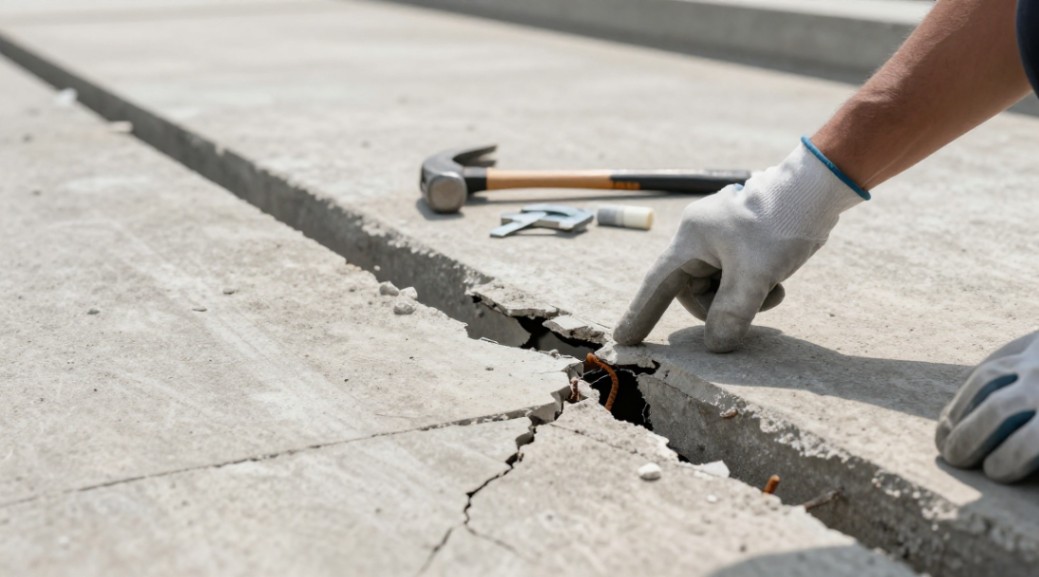
I was called to inspect a bridge deck overlay that was only three years old. The contractor had used a lightweight concrete mix. Crazing cracks covered the surface. Delamination sounds echoed under a hammer. The rehabilitation project needed rehabilitation. The root cause wasn’t the material itself. It was a series of preventable mistakes in assumption, preparation, and execution. This experience taught me that the advantages of lightweight concrete for bridge deck overlays-reduced dead load, improved durability-are only realized if you avoid critical pitfalls.
1. Mistake: Treating It Like Normal-Weight Concrete
The most fundamental error is assuming identical behavior. Lightweight concrete for bridge deck overlays uses aggregates like expanded shale, clay, or slate. This creates a porous internal structure. The implications for every phase of work are profound.
Material Behavior and Common Missteps
| Aspect | Normal-Weight Concrete | Lightweight Concrete Overlay | The Critical Mistake to Avoid |
|---|---|---|---|
| Aggregate Saturation | Typically dense, minimal pre-wetting needed. | Aggregates are highly absorptive. They will steal mix water. | Failing to pre-wet aggregates leads to rapid slump loss, poor workability, and weak strength. |
| Plastic Density | ~145 lb/ft³ (2320 kg/m³) | ~110-120 lb/ft³ (1760-1920 kg/m³) | Using volume-based batching without weight verification. Yield calculations are wrong. |
| Bleeding & Settlement | Exhibits typical bleed water. | Little to no bleed water. The paste is consumed by aggregate. | Waiting for “bleed water” to evaporate before finishing. This causes a crusty, unworkable surface that cracks. |
| Finishing Window | Relatively forgiving. | Very short. The surface dries from the inside out. | Delaying finishing operations. You must time floating and troweling precisely as the surface sheen disappears. |
2. Mistake: Compromising on Substrate Preparation
Bond is everything. An overlay is a composite system. A pristine, properly prepared substrate is non-negotiable. Do not let schedule pressure shortcut this step.
The existing deck must be clean, sound, and saturated-surface-dry (SSD). Milling or hydro-demolition to expose sound aggregate is standard. After cleaning, the surface must be damp. A bone-dry substrate will absorb critical moisture from the overlay mix, creating a weak boundary layer. A puddled surface will weaken the bond through dilution. The SSD condition is a precise target, not a suggestion.
3. Mistake: Ignoring the Curing Imperative
Curing is not an optional activity. For lightweight concrete, it is a survival requirement. The porous aggregates create internal pathways for moisture to escape. If water leaves the cement paste too quickly, hydration stops. Strength development halts. Permeability skyrockets. Shrinkage cracking becomes severe.
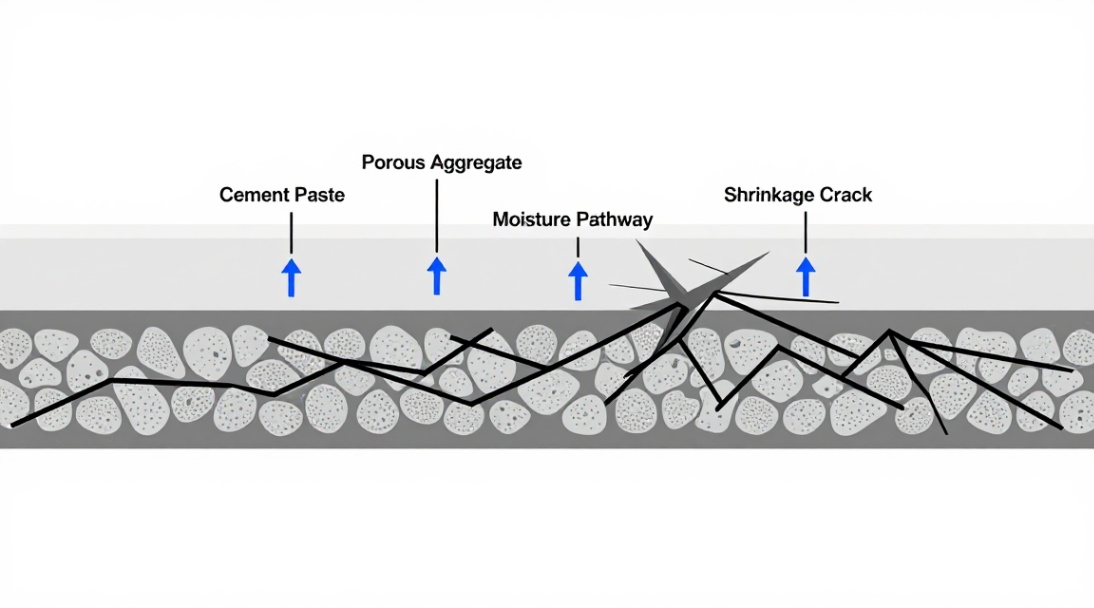
- Mistake: Using only a spray-on curing compound and calling it a day.
- Mandatory Practice: Apply a liquid membrane curing compound immediately after final finishing. Then, without delay, cover the entire deck with wet burlap and plastic sheeting, or use a continuous water mist system. Maintain this for a minimum of 7 days. This dual-layer approach locks moisture in.
4. Mistake: Sacrificing Durability for Density
The goal is a low density, not a weak concrete. Specifying only compressive strength and density is a grave error. You must ensure durability performance.
| Performance Parameter | Why It’s Critical | Common Oversight |
|---|---|---|
| Freeze-Thaw Resistance | Bridge decks are exposed. The concrete must withstand cyclic freezing with proper air entrainment. | Not verifying the air-void system (spacing factor, specific surface) meets ASTM C457 standards. A simple air content metre is insufficient. |
| Chloride Ion Penetration | De-icing salts are the primary cause of rebar corrosion. The overlay must be a barrier. | Failing to specify a maximum rapid chloride permeability (RCP) test value per ASTM C1202 or a low diffusion coefficient. The mix design must include supplementary cementitious materials (SCMs). |
| Drying Shrinkage | Excessive shrinkage leads to map cracking and debonding. | Not limiting the mix’s ultimate drying shrinkage per ASTM C157. This requires careful aggregate selection and SCM use. |
5. Mistake: A Flawed Cost-Benefit Analysis
Viewing the higher material cost per cubic yard in isolation is a mistake. You must analyse total lifecycle cost. Lightweight concrete for bridge deck overlays often allows for the rehabilitation of load-restricted bridges without expensive substructure strengthening. The dead load reduction of 15-25% is a structural benefit, not just a material property. Consider extended service life from improved durability, reduced future maintenance, and avoided traffic disruption from more invasive repairs. The initial premium buys long-term value.
The Path to a Successful Overlay
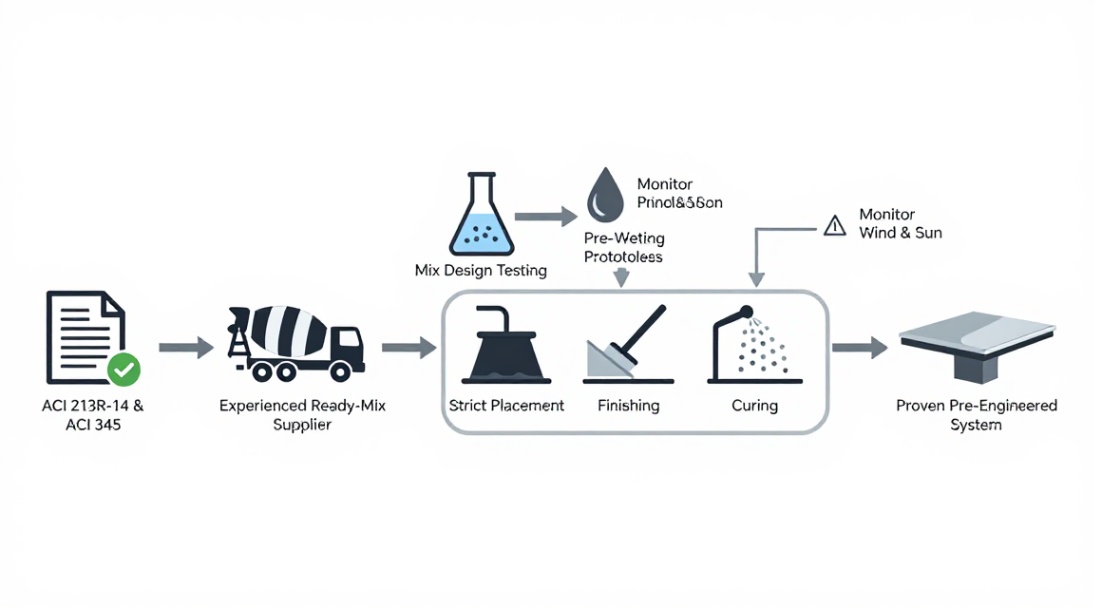
Success is systematic. First, reference the guidance in ACI 213R-14 for lightweight aggregates and ACI 345 for bridge deck construction. Your mix design must be project-specific and tested for all fresh and hardened properties. Partner with a ready-mix supplier experienced with lightweight structural concrete. They understand pre-wetting protocols and admixture compatibility. On-site, enforce strict placement, finishing, and curing sequences. Monitor ambient conditions; wind and sun are your enemies. Finally, consider proven, pre-engineered overlay systems that integrate these mix design and placement principles. These packaged solutions can de-risk the process by providing a validated, consistent material and method specification, turning complex variables into a controlled procedure.
The integrity of a bridge deck is paramount. Lightweight concrete offers a powerful solution, but it demands respect for its unique characteristics. Avoid these mistakes. Specify with precision. Execute with discipline. The result will be a durable, high-performing overlay that serves for decades.
We are the global leader in lightweight concrete and advanced engineered foam solutions. Known globally for its commitment to research, innovation, and applied expertise, we have been providing engineered foam solutions since the early 2012’s.
We can supply high-quality concrete admixture and foam concrete related products all over the world.
The company has a professional technical department and quality supervision department, a well-equipped laboratory, and equipped with advanced testing equipment and after-sales customer service center.
If you are interested, please feel free and contact us.